Port
How I Came to Know Port Port is a fortified wine, usually sweet and served after dinner. To be perfectly honest, Port was an acquired taste for me. I don’t like sweet beverages, and it always seemed a bit frumpy to me. The fact that …
About a year after my family started a farm, I realized I wasn’t making good use of the gorgeous vegetables we were growing. I love roasted vegetables, but that’s pretty much all I did. I took a pickling and fermentation class with Farmbelly, aka Michelle …
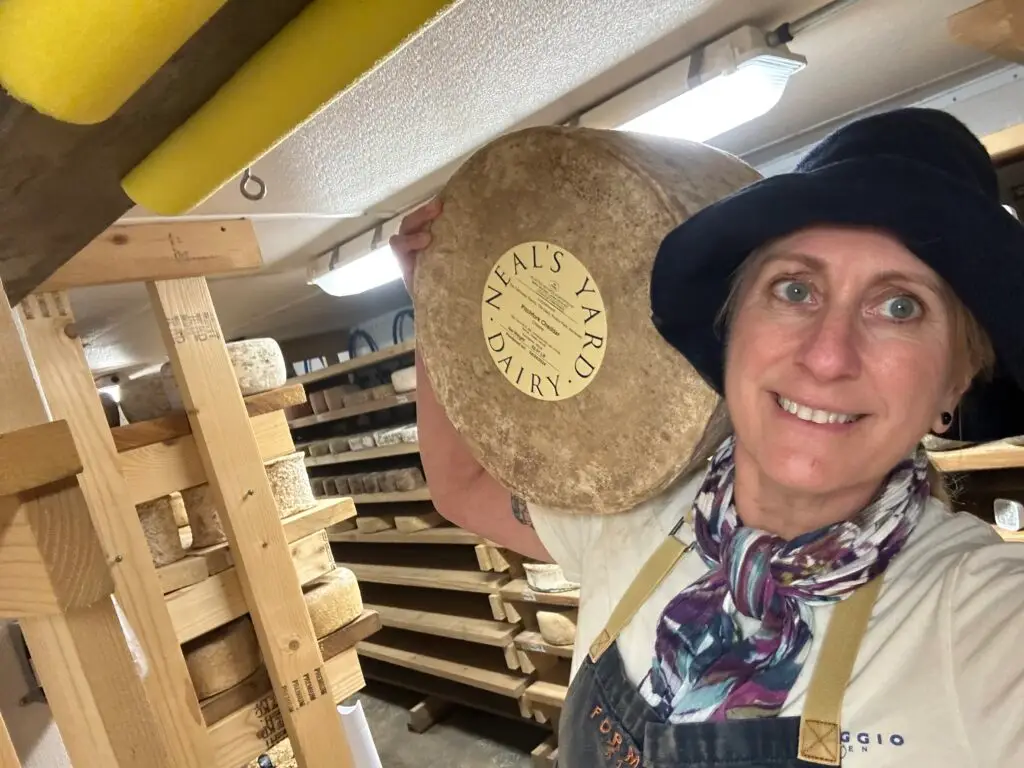
Our previous post was about the Trethowan Brother’s Gorwydd Caerphilly, so we decided it made sense for our next post to be about Pitchfork Cheddar, a West Country Farmhouse PDO Cheddar, also made by the Trethowans! When the brothers left Wales, where they had already been making Gorwydd Caerphilly, they crossed into Somerset and began to make cheddar in 2017 just a few miles from Cheddar Gorge itself. Somerset is the birthplace of farmhouse cheddar, and joining that community meant stepping into centuries of cheddarcraft.
They had their work cut out for them, but they won Best of British at the World Cheese Awards, and the Gold awards at the International Cheese Awards. They gained Artisan Somerset Presidia status from the Slow Food Foundation, one of only three cheddar makers given that honor. It’s also my favorite!
Eglantine: The Trethowans make Pitchfork with raw milk from their own herd. They begin with with natural starter cultures, the kind that change a little each day. The brothers tend them as a baker tends a leaven, feeding a community of microbes they know by its behavior more than its name. Some of these keep working long after the curd is pressed, moving quietly through the cheese as it ages. They’re what give it depth, the slow work of life continuing under cloth.
Eglantine: After the curd is cut and drained, it’s cheddared (you can read more about that in a previous post). Later, the wheels are wrapped in cloth and rubbed with lard. I rather like that part. It feels like dressing the cheese in a woolen jumper before sending it off to rest in the cellar!
Aritz: And in the cellar, microbes and time do their work. Pitchfork ages 12-14 months. The rind grows dusty and natural, the paste becomes dense and friable, and the flavor deepens. Microbes break down proteins into amino acids such as methionine and cysteine, which can release volatile sulfur compounds. It’s the same chemical family that gives mustard and horseradish their bite. There’s a mustard note that rises near the rind. It comes from the sulfur compounds in the milk as they break down over time. The natural cultures get to work on them slowly, releasing that faint heat you feel at the back of the throat.
Today, Pitchfork has a West Country Farmhouse Cheddar PDO, which protects cheeses made by hand, on the farm, from local milk, using traditional methods. PDO stands for Protected Designation of Origin — in French you’ll see AOP (Appellation d’Origine Protégée), in Italy DOP (Denominazione d’Origine Protetta). Whatever the language, the idea is the same: the product can only be made in a specific place, in a specific way. Champagne is the classic French example, and Colombian Coffee has the same status.
These protections anchor food to its landscape and to its history, safeguarding traditions that might otherwise be lost. The West Country Farmhouse Cheddar PDO began in 1994, after decades when farmhouse cheddar nearly vanished into industrial blocks. The Trethowans’ Pitchfork is the most recent addition, proof that tradition is not frozen in time.
In cheesemaking, culture means microbes, but cheese has always been about human culture too. The Trethowans didn’t invent cheddar. They were mentored by James Montgomery and Tom Calver at Westcombe. They benefited from the wisdom of Randolph Hodgson and the team at Neal’s Yard Dairy who championed farmhouse cheese. And now they pass it on, training younger cheesemakers in turn. Knowledge is shared, skills are handed down, and the chain continues.
Community is powerful. Montgomery’s, Westcombe, Keen’s, Quicke’s, Pitchfork, all West Country Farmhouse Cheddars that could see each other as competitors instead act like colleagues. They compare notes, trade ideas, and celebrate each other’s successes. That openness kept clothbound cheddar alive, even after decades of decline. In the twentieth century, farmhouse cheddar nearly disappeared into factories and plastic. But through mentorship and cooperation, it survived.
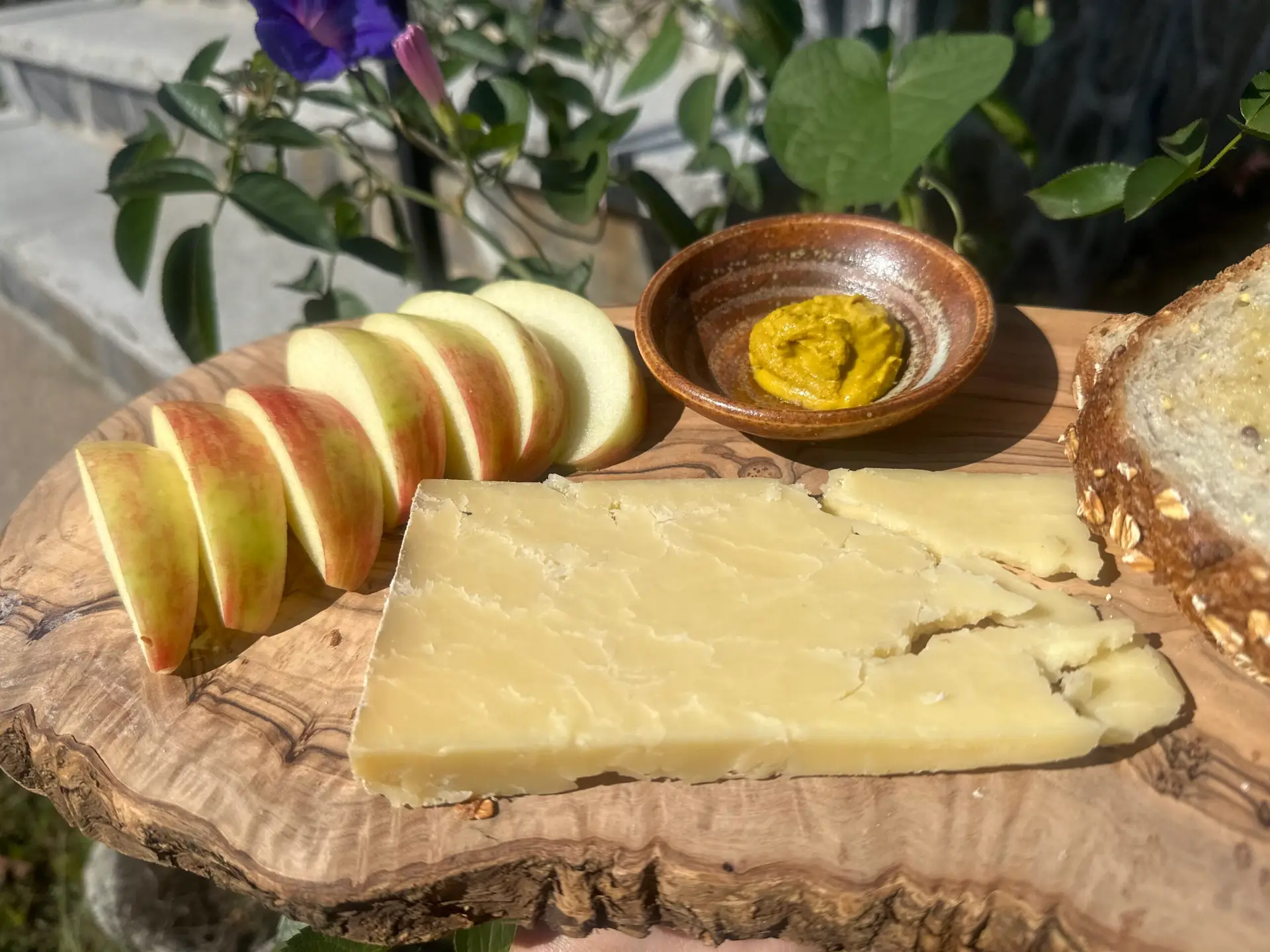
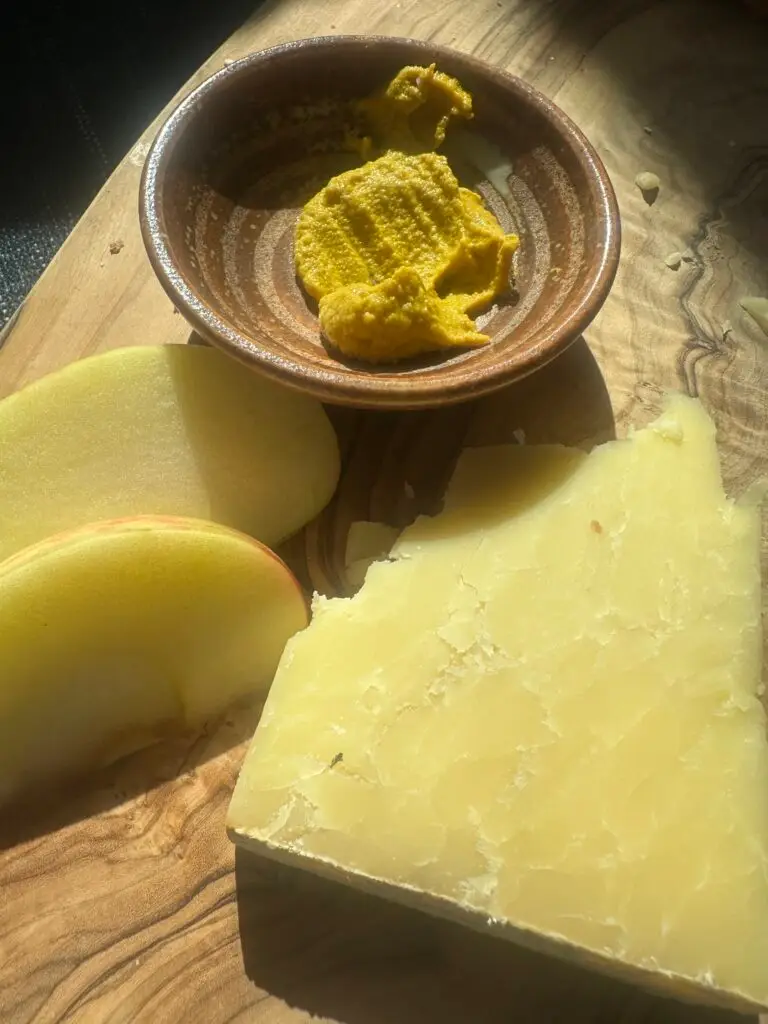
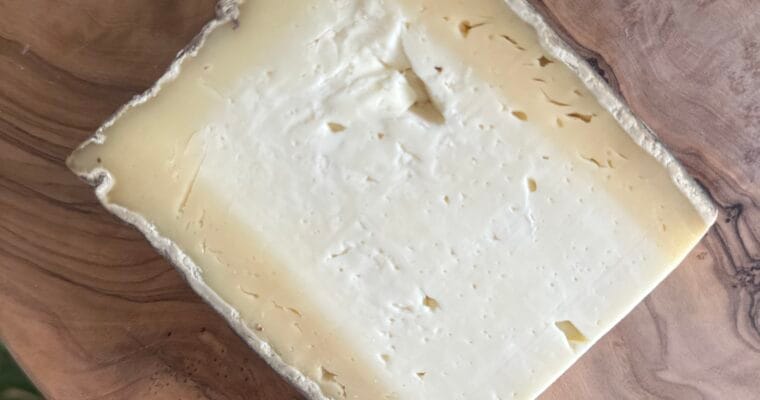
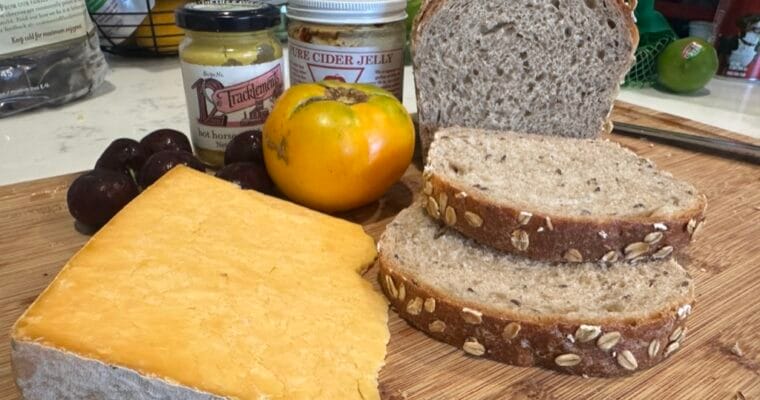
Pitchfork has a mustardy spice that pricks the tongue and lingers, grounded by a golden sweetness like dried hay. If Gorwydd Caerphilly is bright and lemony, Pitchfork is its autumn counterpart. It’s rich, warm, and full of depth. I love eating it with a strong English mustard and, you guessed it, apples! Let me know if you need help finding it!
I’ve always been drawn to Caerphilly. It’s a Southern Welsh cheese, and family lore says my great-grandparents on my mother’s side were Welsh coal miners before they emigrated to Pennsylvania. Beyond that though, I think Gorwydd Caerphilly maybe the prettiest cheese I’ve ever seen. What …
It’s our first cheese post! Here we go! Appleby’s Cheshire comes from Hawkstone Abbey Farm in Shropshire, England. The Appleby family founded the farm in 1952, and now Paul Appleby and his wife Sarah carry on the work, with help from their five children. They …
I’m teaching a British Cheese and Cider class this weekend, so I thought I’d share a little about why I’m so excited about it. While I’m currently the British Cheese Buyer at Formaggio Kitchen, I used to work at a natural cidery, Botanist & Barrel. Before finding them, I was more of a beer and wine enthusiast. I always thought cider was sweet and insipid, not something adults drank. They truly opened my eyes.
When I moved to Hillsborough, North Carolina to start our farm, I found there were no breweries nearby, just Botanist & Barrel, the South’s first natural cidery. It’s a gorgeous spot, with a pond and a decades-old blueberry farm. I tried a flight in their tasting room, and I was hooked. Later I joined the team, working the tasting room and selling cider at farmers’ markets. I even made cider at home, and it was amazing. Now that I live in New England, land of apples, I think it’s time to start again!
I want to thank Eglantine Crumb and Aritz Rind for sharing their perspectives and expertise. This is our first post written together, and I look forward to many more collaborations!
Cider isn’t just historically linked with British cheese, it’s also a natural partner in flavor. British farmhouse cheese like cheddar, Cheshire, Red Leicester often have a savory, earthy depth, sometimes even a bit of tang. Traditional ciders, especially from the West Country, bring bright acidity, gentle tannins, and a touch of sweetness. That balance cuts through the richness of the cheese and lifts it, the way a squeeze of lemon can transform a dish. Together, they create something greater than either alone.
Eglantine: A well-made cider has that sparkle of acidity, like a crisp autumn morning. It clears the palate, so when you return to the cheese you taste it afresh, more layers, more nuance. And the tannins, ever so soft, seem to catch hold of the cheese’s creaminess, carrying it further.
Aritz: For me it is simple. Cheese is fat, cider is acid. They fight, then they dance. But also, both are of the land. Working people drank cider, ate cheese, because it was theirs. Just apple and milk, what the land gave. That is why the pairing is honest.
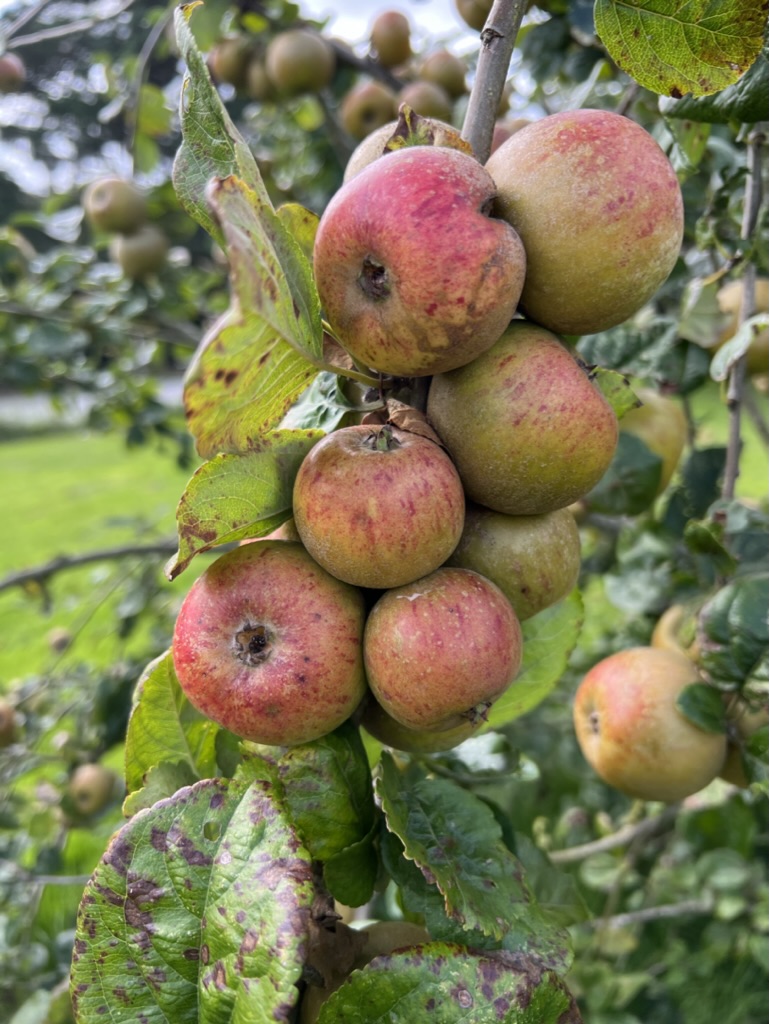
The old saying, “What grows together, goes together,” applies not just to seasonality of fruits and veg, but to geography as well. While the apple is not indigenous to the British Isles, it has been there a very long time. Apples originated in Kazakhstan, and spread by many means. Bears were among the first Johnny Appleseeds, eating apples, swallowing the seeds, and spreading them far and wide in their scat.
Eglantine: It’s an interesting distinction, isn’t it? A plant that arrives on the back of the wind or in the belly of a bird, over centuries, eventually becomes part of the landscape. We don’t call it “non-native.” That word we reserve for what humans cart about: the seeds in their pockets, cuttings on their ships, intentional or not. Nature makes her own introductions.
When the Romans invaded Britain, folks were already making cider with the wild crabapple. Those crabapples had been there since the Stone Age. They’re not the tastiest for eating, and can make a very sharp and tart cider. The Romans’ apples increased the bounty as well as the quality. Because apples grown from seed do not match their parents’ characteristics, to get consistent quality, you need to graft tasty fruiting branches onto rootstock. The Romans brought that horticultural knowledge with them.
Eglantine: Apple trees are fussy about their winter’s sleep. They need “chill hours” to go dormant, to allow proper rest to wake and fruit again. The West Counties in England are especially perfect, with cool winters, sunny slopes, soils that drain. New England is a heaven for apples!
Cider quickly became Britain’s drink of choice. A glut of apples ripening all at once begs for preservation, and fermentation is a merry answer. There’s that old tale of unsafe water in medieval and early modern times, cider and ale being safer to drink. Saxons brought the ale, but ale meant firewood for brewing, and Britain’s forests were already thinned. Orchards were the wiser path. Later, when the Normans arrived, they brought with them new apples and methods, layering another chapter onto the story. Truly, you can sip British history in a glass of cider.
Aritz: Fermentation was all wild. No packets of yeast, no labs. Just the microbes already living on the skins of the fruit. This is how cider should be, in my view. My favorite English cider is Scrumpy. “Scrumping” is stealing windfall apples from the orchard floor. To the landlords, it was theft. To the poor, it was survival. Scrumpy is rough, cloudy, and sometimes fierce. Stronger too, because the apples have already begun their beautiful change. But it tastes of freedom. Of not paying rent for every drop you drink.
Sources:
Cider, Hard and Sweet by Ben Watson