Tag: Food History

Aosta to Valais

Aosta to Valais

Eglantine Crumb’s Field NotesWaxing Rind Moon, Snow Deepening Chalet above Martigny, near La FoulyCanton of Valais, Switzerland On my last evening with Aritz in Aosta, we had what he called a simple meal, though it felt quite grand to me. We were on the banks 

Tinned Fish

Tinned Fish

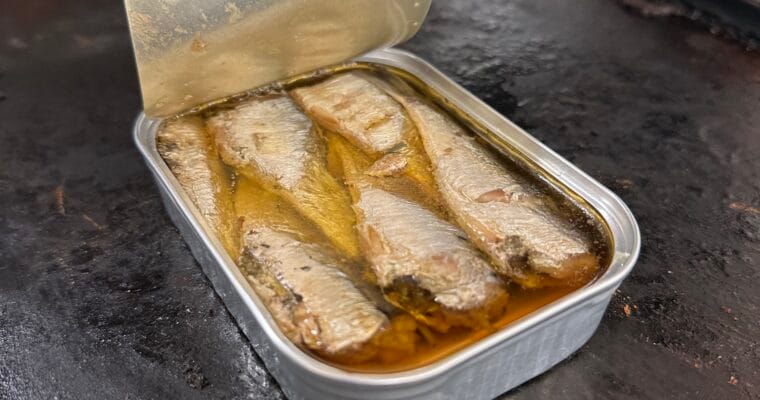
Tinned fish, called conservas in Iberian culture, has become popular in the U.S. in recent years, though it’s been beloved in Europe for decades. It’s sustainable, healthy, delicious, and the tins are undeniably cute. Conservas deserve a spot on any cheese and charcuterie board. I 

Ballymaloe Cookery School

Ballymaloe Cookery School

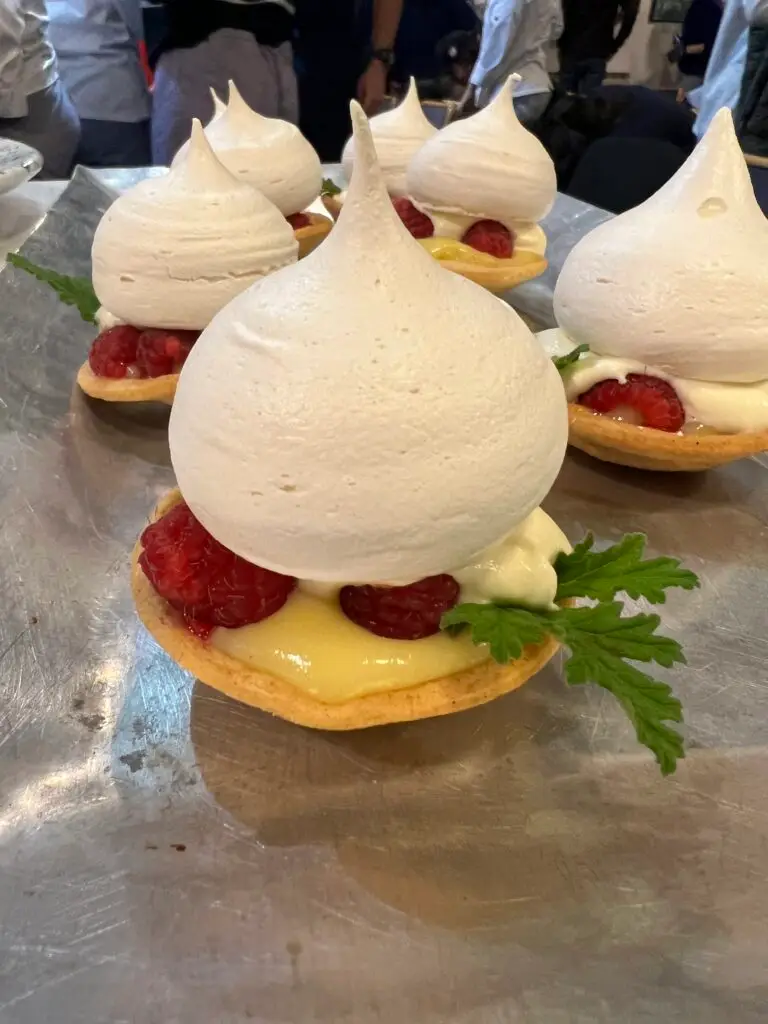
About a year after my family started a farm, I realized I wasn’t making good use of the gorgeous vegetables we were growing. I love roasted vegetables, but that’s pretty much all I did. I took a pickling and fermentation class with Farmbelly, aka Michelle Aronson, a cooking teacher and soon to be farmer. At the beginning of class, Michelle waxed poetic about her time learning to cook at Ballymaloe Cookery School in Ireland. I was so entranced I immediately followed the school on Instagram.

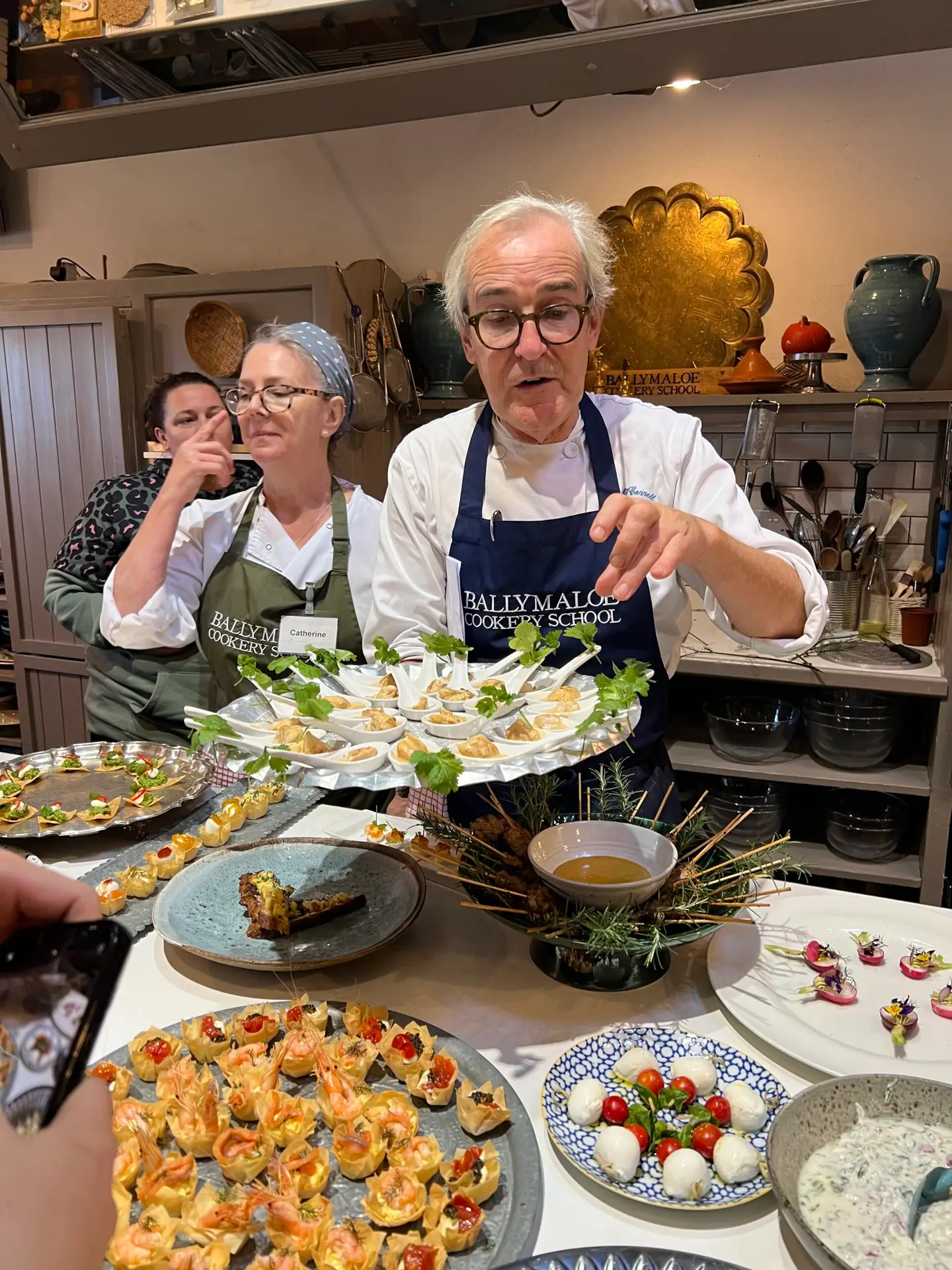
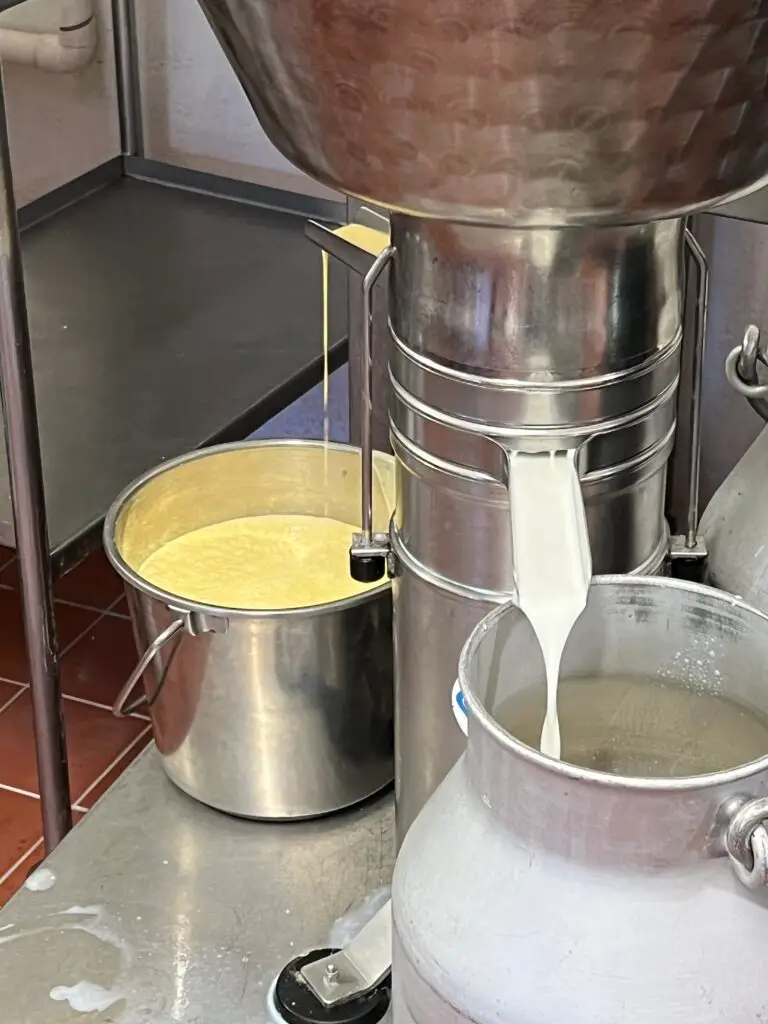
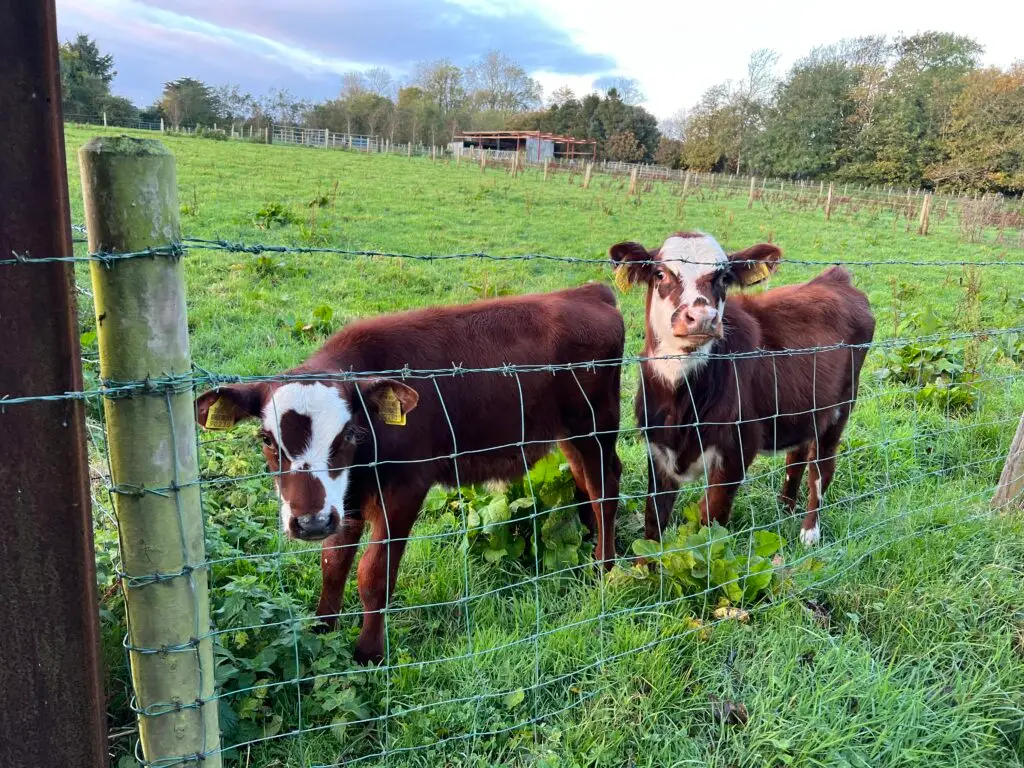
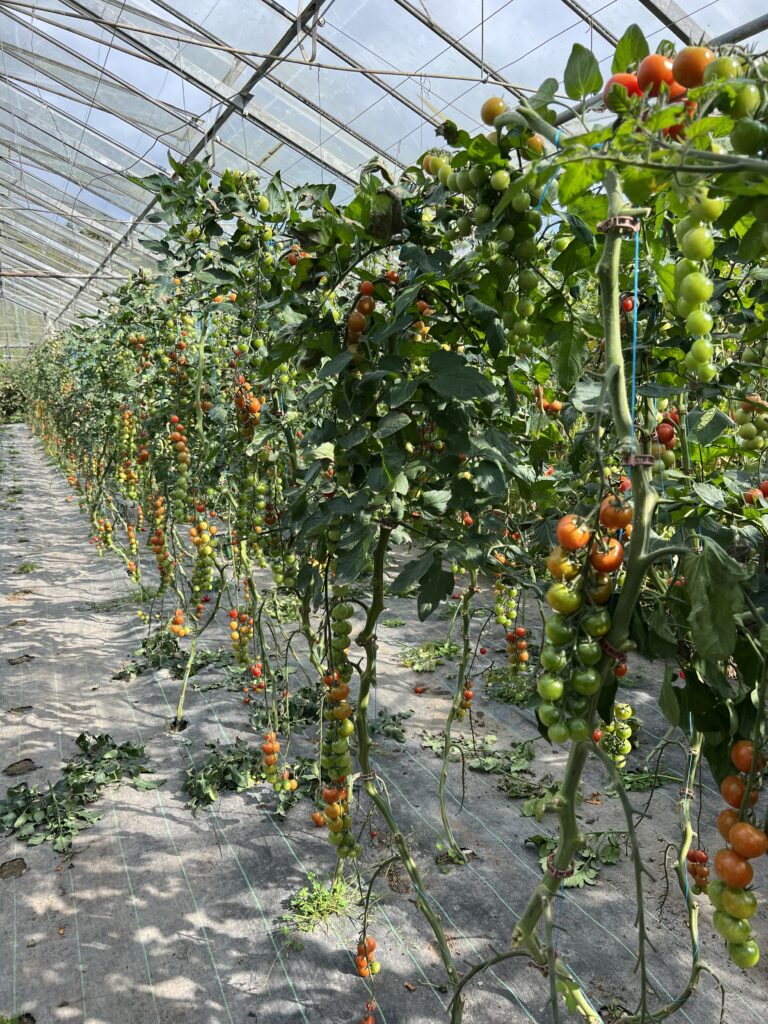
About three years later, I enrolled at Ballymaloe Cookery School in County Cork, Ireland, for their twelve week certificate course. From September to December 2022, I lived and cooked on a 100 acre organic farm by the sea, surrounded by gardens, glasshouses, and dairy cows.

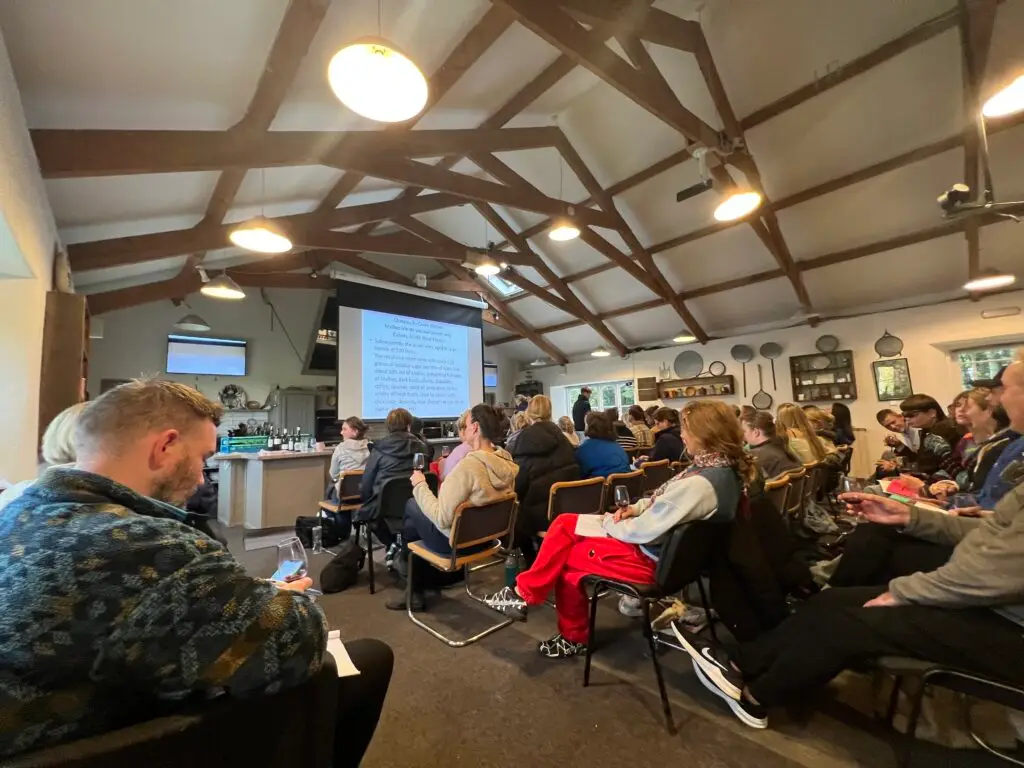
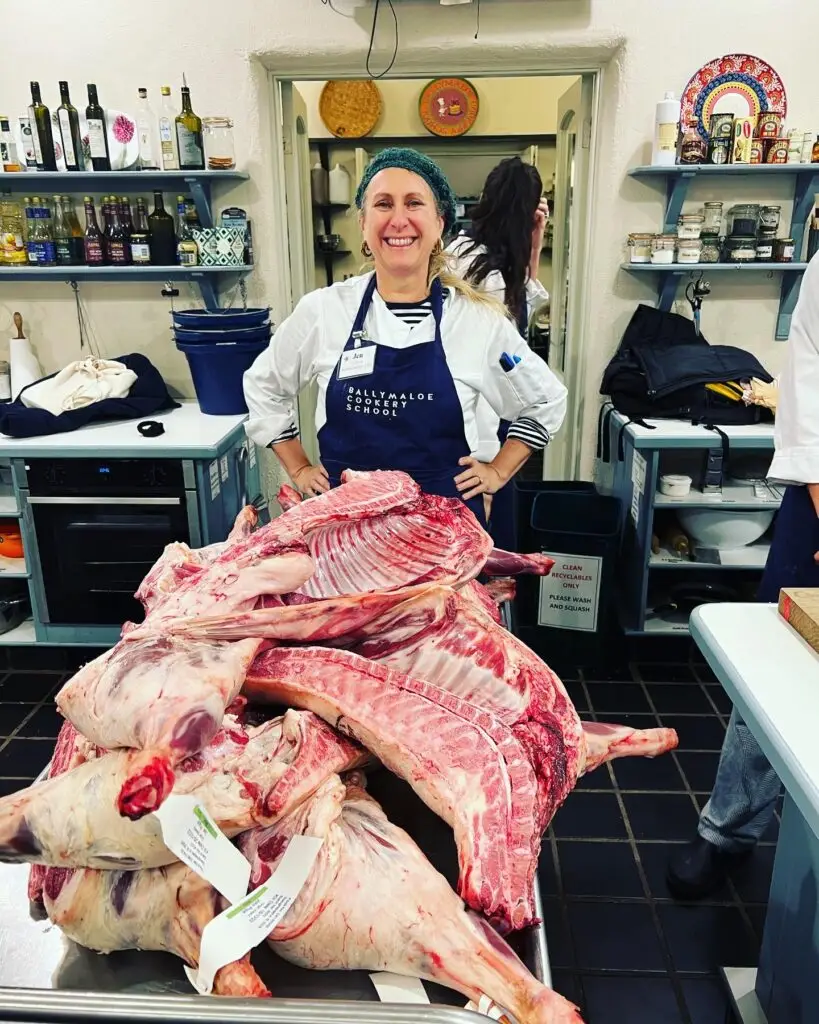
Class at Ballymaloe Cookery School

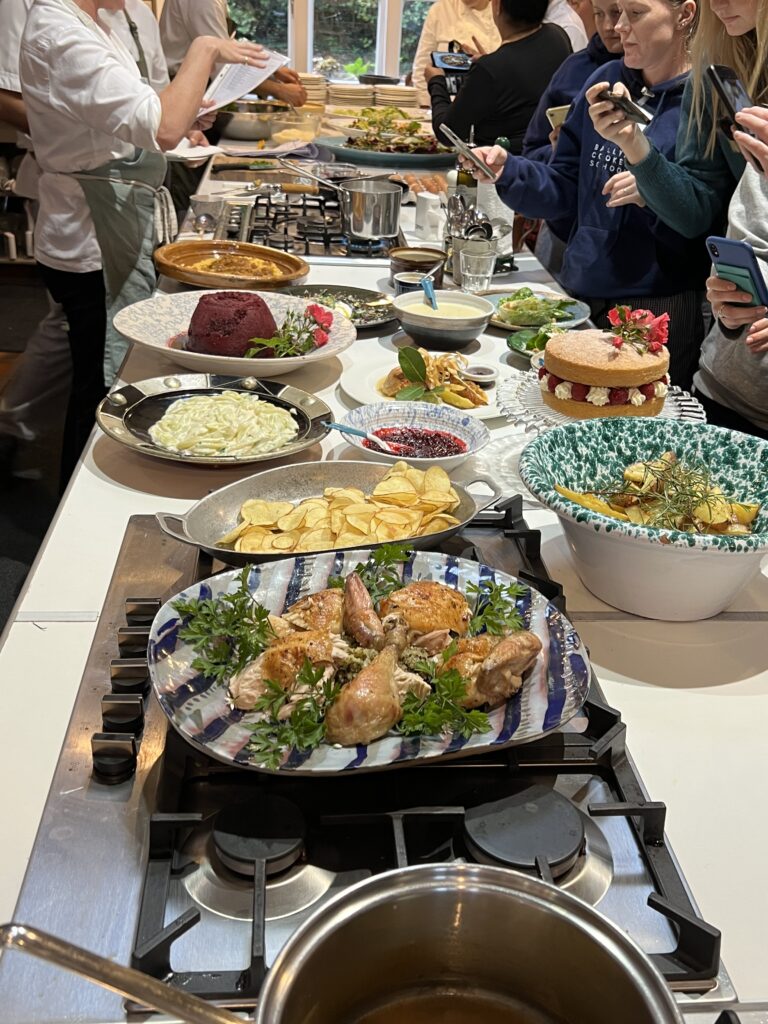
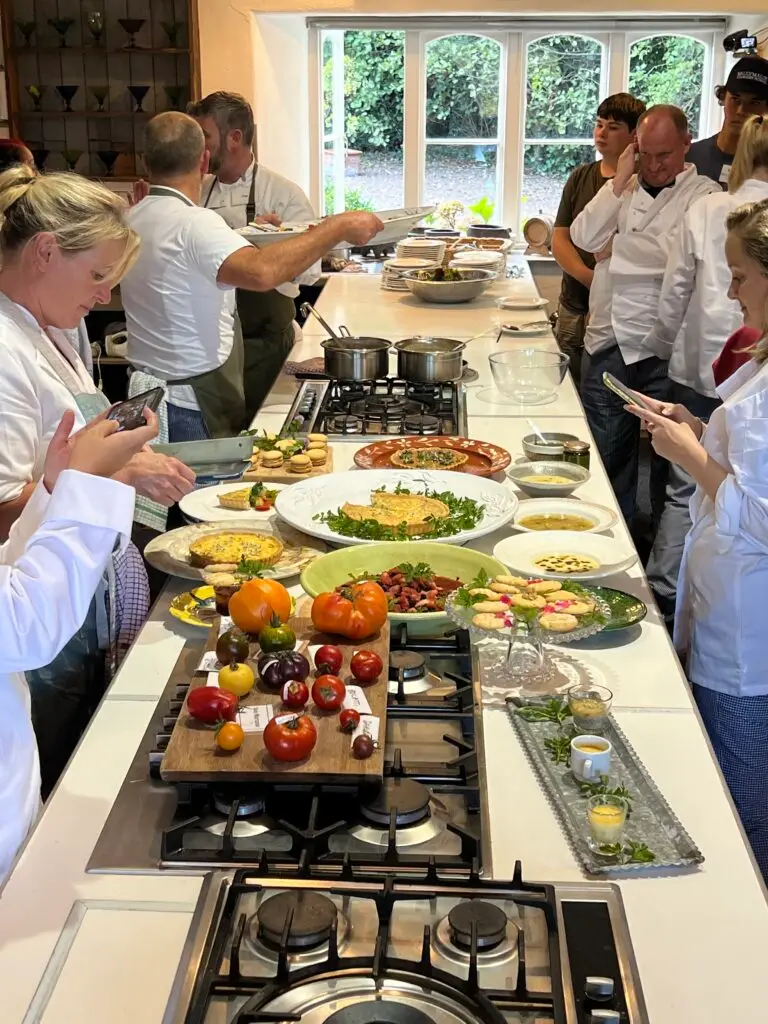
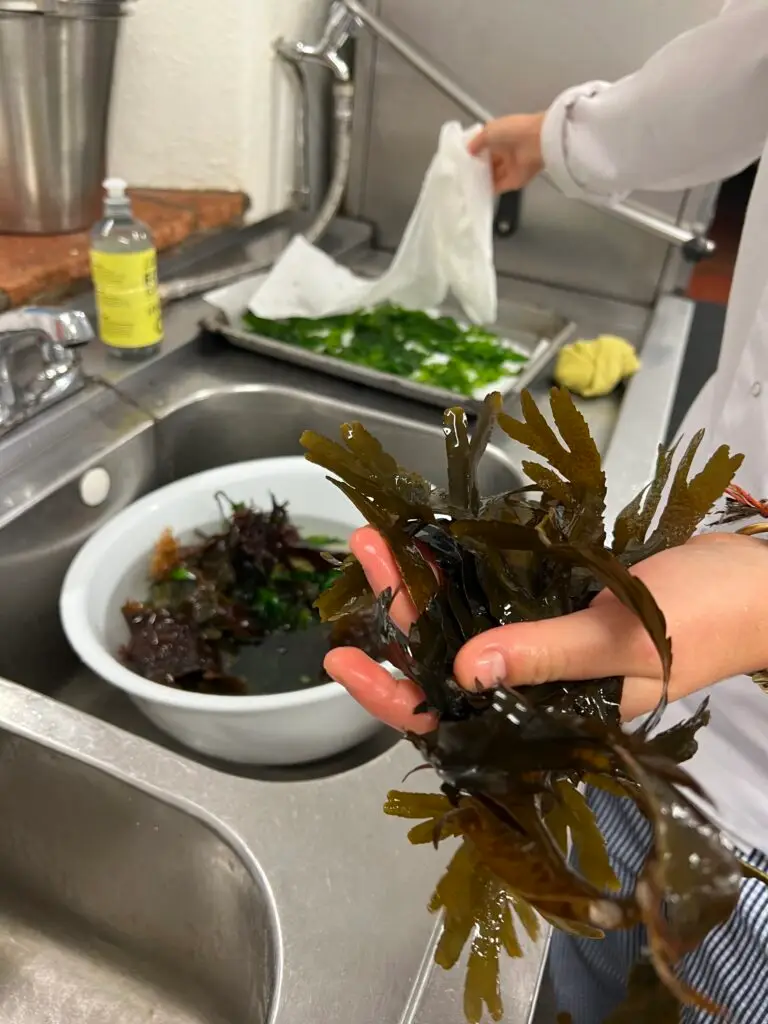
The school, founded in 1983 by Darina Allen and her chef brother Rory O’Connell, has always championed real food, real farms, and traditional Irish cooking long before farm to table became popular. We learned to use kitchen scraps to make a perfect stock, forage for seaweed along the shore, and taste the seasons directly from the garden.

I learned so many things that made me a better cook. How to make a cartouche, for instance, a little circle of parchment laid over garlic and onions so they sweat instead of burn. That one small piece of paper changed my cooking forever. I also learned how to fail properly. My soufflé collapsed spectacularly, and I had to own it. The instructors had the patience of saints. But that too was part of the education. I learned that cooking is about presence, not perfection.

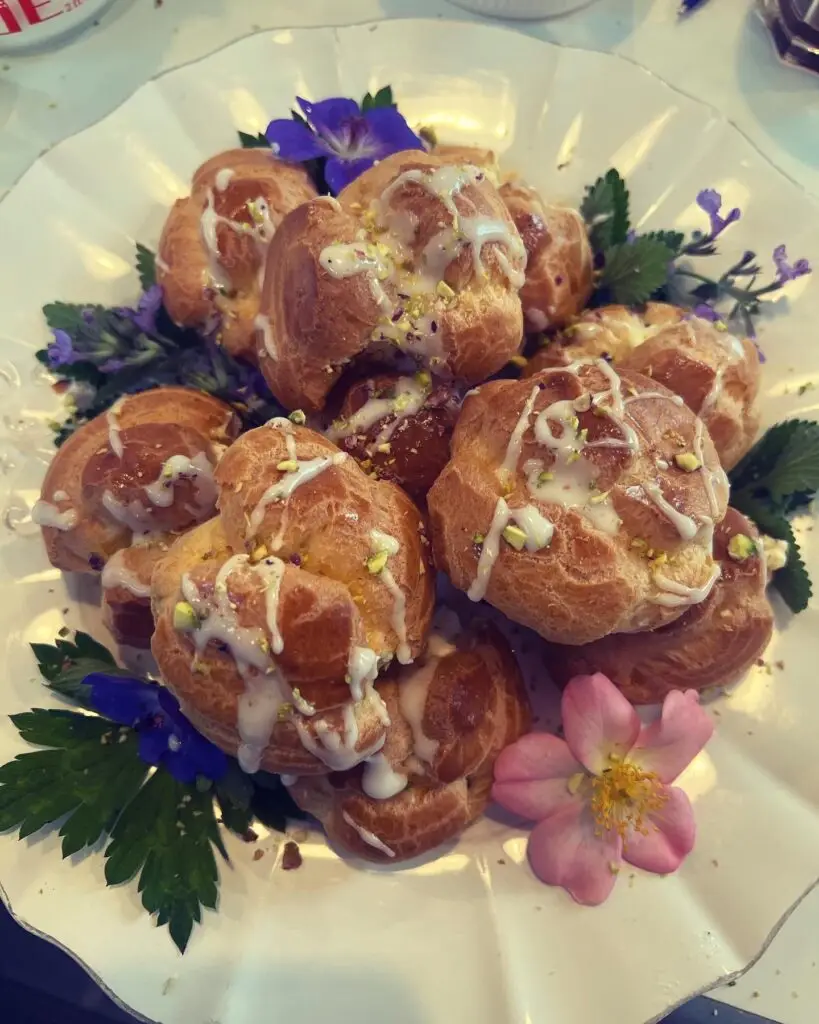
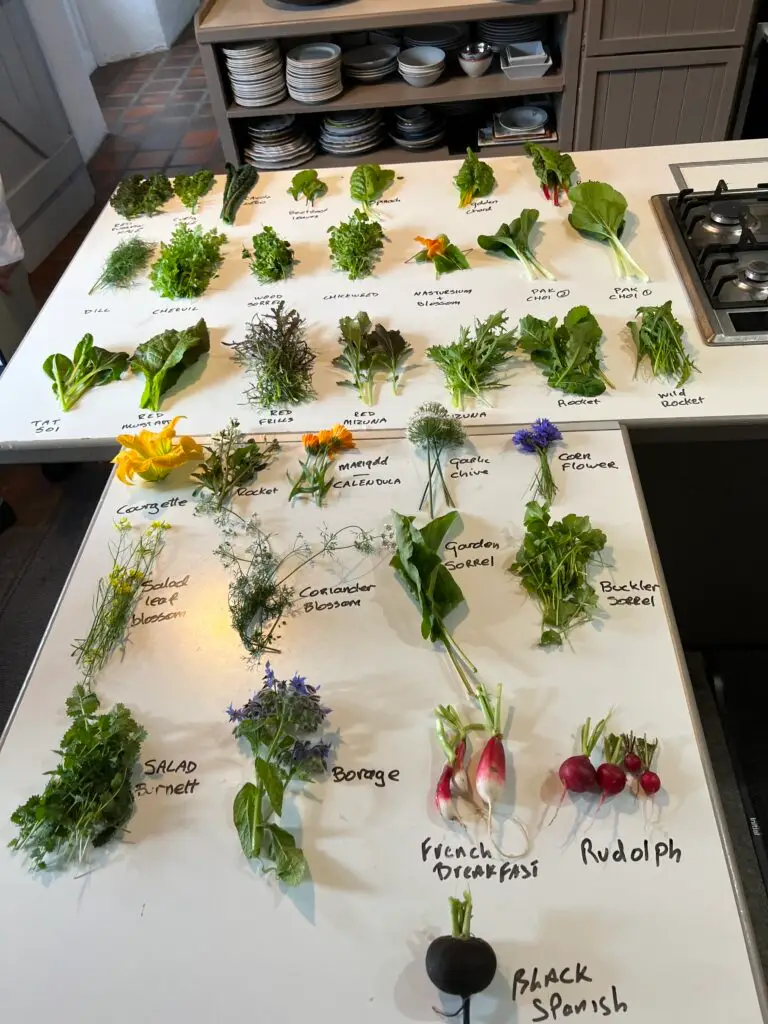
Before Ballymaloe, I often rushed. I multitasked, skimmed recipes, and treated cooking like a side chore. At Ballymaloe, I had to give it my whole focus. Cooking deserved it, and I deserved it. That was the real turning point for me. I began to see the joy in paying attention to every step, to notice the way onions transform slowly in butter, or the way fresh herbs and flowers carry the garden onto the plate.

More to come

This post is a bit of an introduction to Ballymaloe Cookery School in Ireland. I hope to write follow ups, especially about Maria Walsh, who teaches fermentation, as well as some of the recipes I learned that would lend themselves to a cheeseboard. It was only twelve weeks, but I learned more than I could have imagined.

But it wasn’t just about the cooking. It was the people, especially my housemates in Pennyworth Cottage, a group of students from all over the world, living together, laughing late into the evening over endless cups of wine, whiskey and lemsip. (I had a cold much of the time) There was always craic to be had. I made friends I hope to keep for the rest of my life. I was also inspired by my classmates, many of whom were vastly more talented than me.

Sometimes when I tell people I went to Ireland for cookery school, they ask, “What did you learn to cook? Potatoes?” I understand that reaction, because before I went I didn’t know about the revival of Irish and British cooking or Ballymaloe’s role at the heart of it. And yes, we cooked potatoes. Potatoes are awesome.

Ballymaloe did not turn me into a chef. It reminded me that I am a cook, and that is enough. It reminded me that food is culture, care, and connection. And it set me on the path I am on now, building Crumb and Rind, teaching about cheese, and sharing what I love with whoever is at the table.

Thanks a million, Ballymaloe.

Yoredale Wensleydale

Yoredale Wensleydale

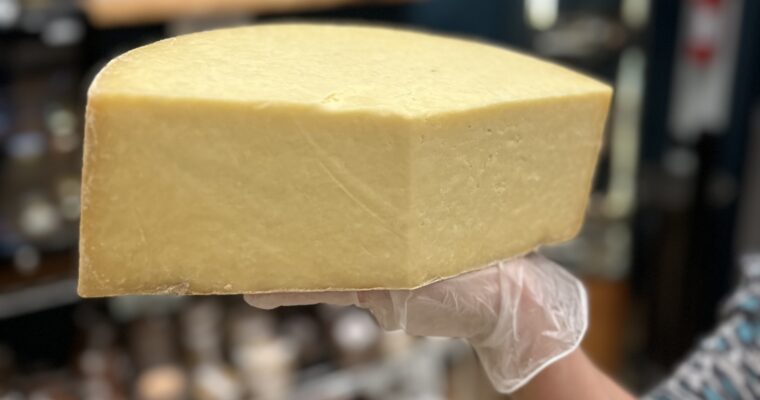
Yoredale from Curlew Dairy in the Yorkshire Dales, is real farmhouse Wensleydale, brought back from extinction. For many people, Wensleydale means the industrial blocks in the supermarket, studded with cranberries at Christmas. Yoredale shows what the cheese was meant to be. It’s one of my 

Kirkham’s Lancashire

Kirkham’s Lancashire

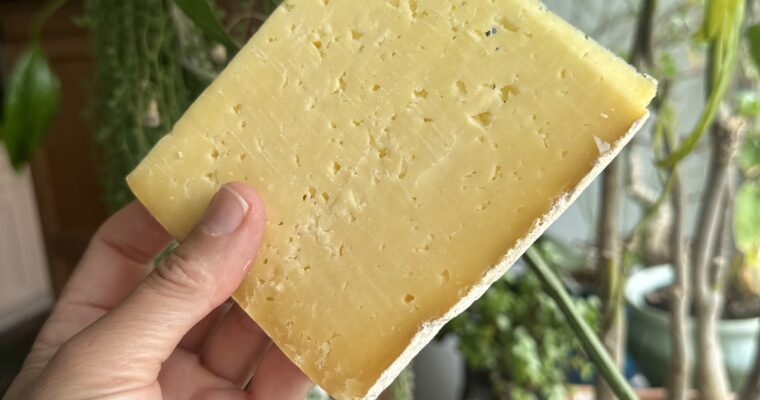
Kirkham’s Lancashire is an English Territorial, one of the Crumblies, and one of my favorites. It’s buttery, tangy, and as one of my colleagues said, “fluffy.” However, when people see Kirkham’s Lancashire on the counter, they figure it’s another cheddar. With this post, we’re hoping 

British Cider and British Cheese

British Cider and British Cheese

I’m teaching a British Cheese and Cider class this weekend, so I thought I’d share a little about why I’m so excited about it. While I’m currently the British Cheese Buyer at Formaggio Kitchen, I used to work at a natural cidery, Botanist & Barrel. Before finding them, I was more of a beer and wine enthusiast. I always thought cider was sweet and insipid, not something adults drank. They truly opened my eyes.

When I moved to Hillsborough, North Carolina to start our farm, I found there were no breweries nearby, just Botanist & Barrel, the South’s first natural cidery. It’s a gorgeous spot, with a pond and a decades-old blueberry farm. I tried a flight in their tasting room, and I was hooked. Later I joined the team, working the tasting room and selling cider at farmers’ markets. I even made cider at home, and it was amazing. Now that I live in New England, land of apples, I think it’s time to start again!

I want to thank Eglantine Crumb and Aritz Rind for sharing their perspectives and expertise. This is our first post written together, and I look forward to many more collaborations!

Pairing British Cheese and Cider

Cider isn’t just historically linked with British cheese, it’s also a natural partner in flavor. British farmhouse cheese like cheddar, Cheshire, Red Leicester often have a savory, earthy depth, sometimes even a bit of tang. Traditional ciders, especially from the West Country, bring bright acidity, gentle tannins, and a touch of sweetness. That balance cuts through the richness of the cheese and lifts it, the way a squeeze of lemon can transform a dish. Together, they create something greater than either alone.

Eglantine: A well-made cider has that sparkle of acidity, like a crisp autumn morning. It clears the palate, so when you return to the cheese you taste it afresh, more layers, more nuance. And the tannins, ever so soft, seem to catch hold of the cheese’s creaminess, carrying it further.

Aritz: For me it is simple. Cheese is fat, cider is acid. They fight, then they dance. But also, both are of the land. Working people drank cider, ate cheese, because it was theirs. Just apple and milk, what the land gave. That is why the pairing is honest.

British Apple Origins

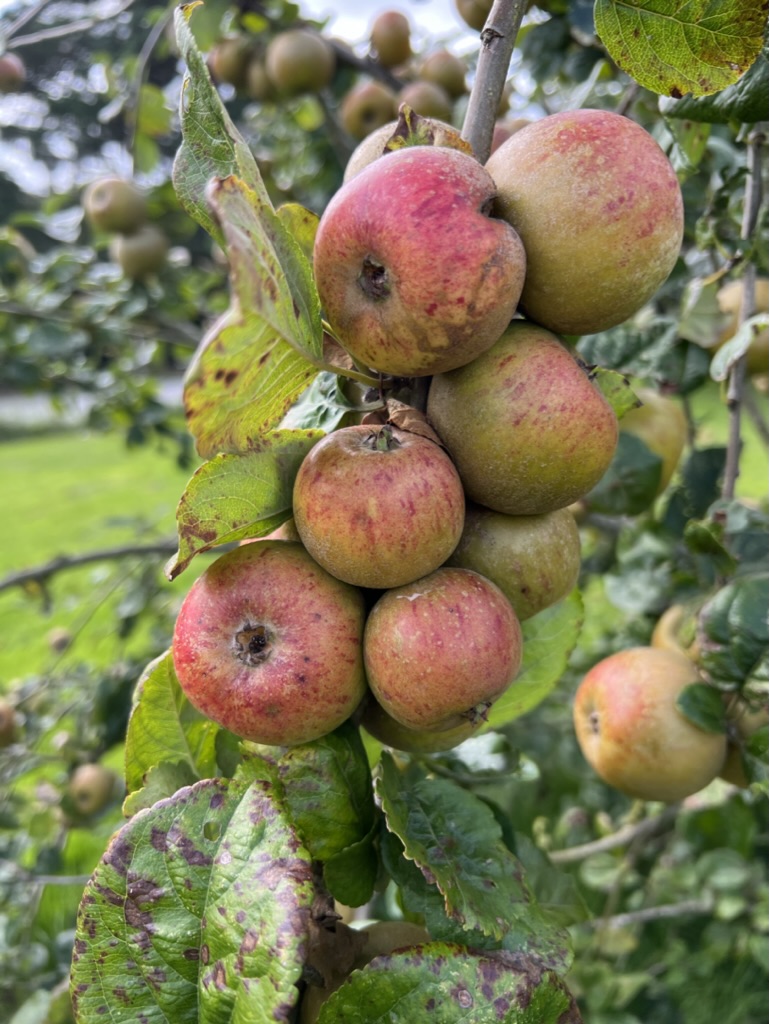
The old saying, “What grows together, goes together,” applies not just to seasonality of fruits and veg, but to geography as well. While the apple is not indigenous to the British Isles, it has been there a very long time. Apples originated in Kazakhstan, and spread by many means. Bears were among the first Johnny Appleseeds, eating apples, swallowing the seeds, and spreading them far and wide in their scat.

Eglantine: It’s an interesting distinction, isn’t it? A plant that arrives on the back of the wind or in the belly of a bird, over centuries, eventually becomes part of the landscape. We don’t call it “non-native.” That word we reserve for what humans cart about: the seeds in their pockets, cuttings on their ships, intentional or not. Nature makes her own introductions.

Here’s Your Roman Empire

When the Romans invaded Britain, folks were already making cider with the wild crabapple. Those crabapples had been there since the Stone Age. They’re not the tastiest for eating, and can make a very sharp and tart cider. The Romans’ apples increased the bounty as well as the quality. Because apples grown from seed do not match their parents’ characteristics, to get consistent quality, you need to graft tasty fruiting branches onto rootstock. The Romans brought that horticultural knowledge with them.

Eglantine: Apple trees are fussy about their winter’s sleep. They need “chill hours” to go dormant, to allow proper rest to wake and fruit again. The West Counties in England are especially perfect, with cool winters, sunny slopes, soils that drain. New England is a heaven for apples!

Cider quickly became Britain’s drink of choice. A glut of apples ripening all at once begs for preservation, and fermentation is a merry answer. There’s that old tale of unsafe water in medieval and early modern times, cider and ale being safer to drink. Saxons brought the ale, but ale meant firewood for brewing, and Britain’s forests were already thinned. Orchards were the wiser path. Later, when the Normans arrived, they brought with them new apples and methods, layering another chapter onto the story. Truly, you can sip British history in a glass of cider.

Aritz: Fermentation was all wild. No packets of yeast, no labs. Just the microbes already living on the skins of the fruit. This is how cider should be, in my view. My favorite English cider is Scrumpy. “Scrumping” is stealing windfall apples from the orchard floor. To the landlords, it was theft. To the poor, it was survival. Scrumpy is rough, cloudy, and sometimes fierce. Stronger too, because the apples have already begun their beautiful change. But it tastes of freedom. Of not paying rent for every drop you drink.

Sources:
Cider, Hard and Sweet by Ben Watson

About Crumb & Rind

About Crumb & Rind

About Crumb & Rind I’m Jennifer Tolliver, and I’m the editor of this website, and the public face of Crumb & Rind. I’m the one you’ll communicate with and see out and about. But rather than just talking about myself, I wanted to properly introduce 

British Cheese

British Cheese

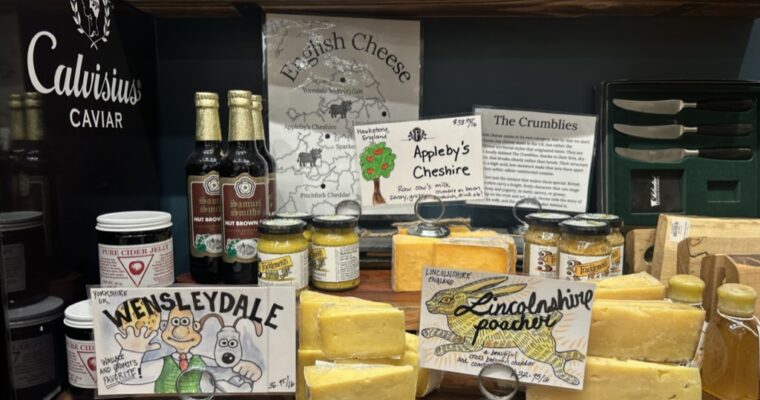
British cheese exists in its own category. And by that we don’t just mean any cheese made in the UK, but rather the traditional territorial styles that originated there. They are often fondly dubbed The Crumblies, (specifically Cheshire, Caerphilly, Wensleydale, and Lancashire,) thanks to their