Port
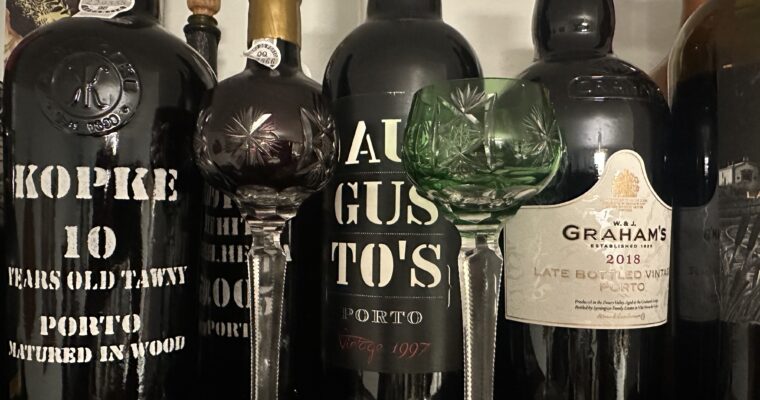
How I Came to Know Port Port is a fortified wine, usually sweet and served after dinner. To be perfectly honest, Port was an acquired taste for me. I don’t like sweet beverages, and it always seemed a bit frumpy to me. The fact that …
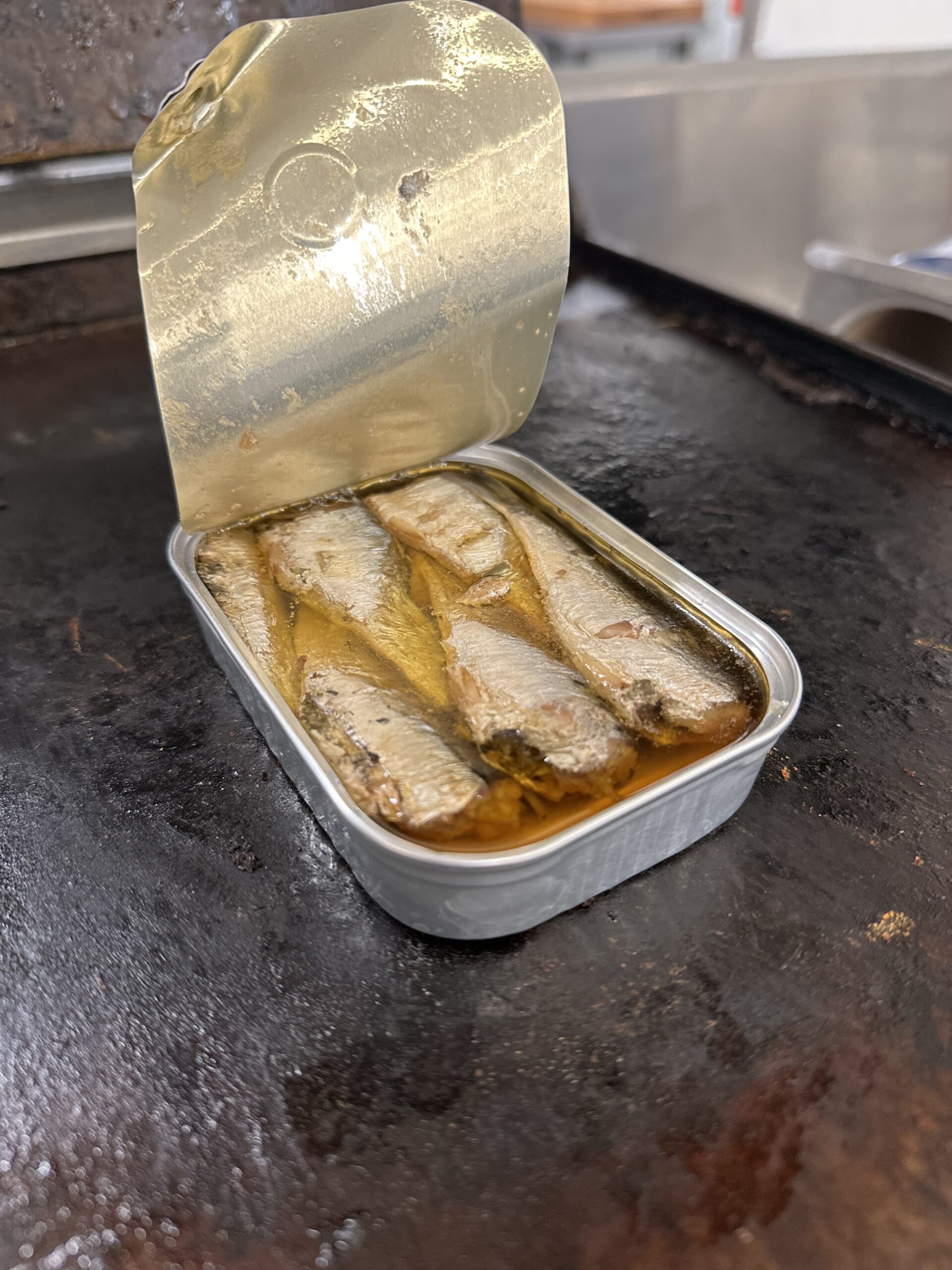
Tinned fish, called conservas in Iberian culture, has become popular in the U.S. in recent years, though it’s been beloved in Europe for decades. It’s sustainable, healthy, delicious, and the tins are undeniably cute. Conservas deserve a spot on any cheese and charcuterie board. I hope the trend keeps growing.
Tinned fish doesn’t go as far back as older ways of preserving fish. Before conservas could exist, people needed two things: a lightweight, durable material to store the fish, and a reliable way to keep microbes at bay.
In the 1760s, Lazzaro Spallanzani experimented with sterilizing by boiling, though it wasn’t applied on any large scale. A few decades later, Napoleon Bonaparte offered 12,000 francs to anyone who could invent a reliable method of preserving food for his armies. French chef Nicolas Appert won the prize in 1809 by boiling food inside sealed glass jars. The next year, Englishman Peter Durand patented the idea of using tin. (Can openers, however, wouldn’t arrive for several more decades.) Small, oily fish turned out to be an ideal match for this new preservation method.
Aritz: The old ways: fermenting, smoking, drying, salting, pickling, even confit. Skill, intuition, culture. Working with other organisms instead of against them. Using heat to kill everything is inartful. It’s lazy. Like dropping an atomic bomb instead of fighting with skill.
Um, thank you for that, Aritz! Normally at Crumb & Rind, we talk about foods transformed by microbes, like cheese or fermented drinks. Conservas are different. Some are packed in vinegar, which is a fermented product, but the fish itself is not fermented. The food inside the tin must be completely free of microbes because botulism is a real risk. The low-acid, low-oxygen environment inside a sealed tin is perfect for Clostridium botulinum, which produces a deadly neurotoxin.
Rule number one: always throw away any swollen, bulging, or damaged tin.
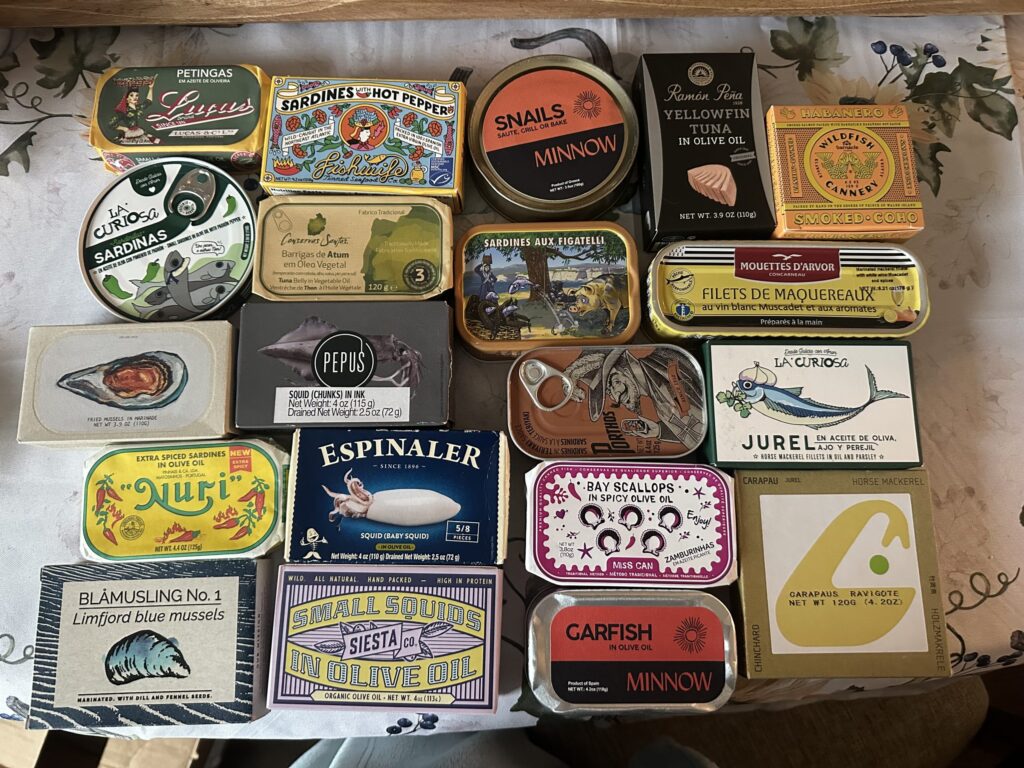
By the twentieth century, tinned fish had spread across the world, not as a luxury product but as everyday comfort food. In the U.S., “Big Tuna” eventually took over the sardine industry. (There’s a great NPR interview about this—linked below.) Through advertising, Americans were taught to think that anything besides tuna or salmon in a can was “too fishy.” That’s pure marketing, not truth.
Tinned fish helps the planet and your body. There’s no need to fly fish around the world for it to be “fresh.” Smaller species like sardines, anchovies, and mackerel are lower on the food chain, so they contain less mercury than big predators such as tuna or salmon. They’re rich in protein and Omega-3s, too.
Canning also supports sustainable fishing seasons. Fishers can harvest when the fish are at their best rather than when consumer demand peaks, which often happens at the wrong time of year.
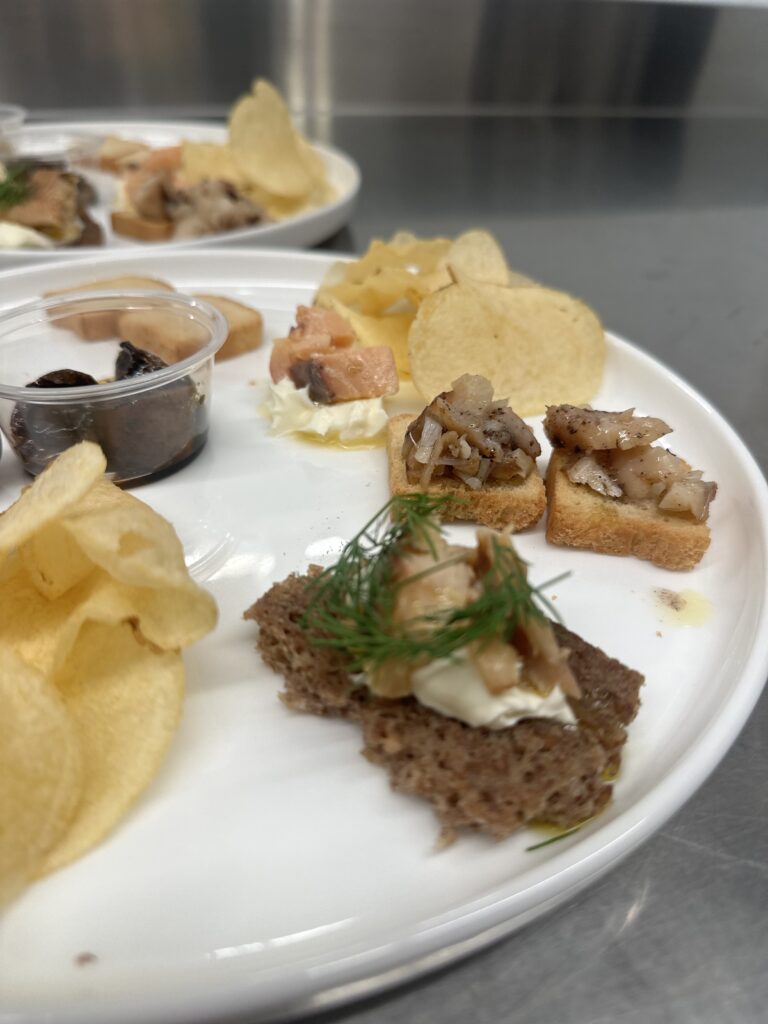
Most of the time, I just open a tin and eat it with a good baguette, maybe a little butter, some dried herbs, and sea salt. Conservas also belong on a cheese board.
Or think of them as Girl Dinner: straight from the tin with a glass of wine. Try them tossed into pasta, folded into lentils, or alongside roasted vegetables. Once you start, you’ll see how versatile these little tins are.
Sources:
https://www.npr.org/transcripts/1256000571
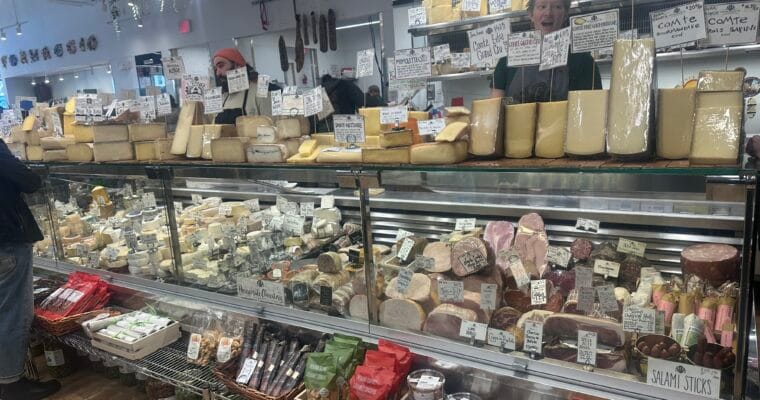
Shop Small If there was one thing I would ask of people, besides vote (or read a book,) it would be to shop small, especially at cheese shops. We’re heading into the holiday season, when most retail makes the profit that helps them through the …
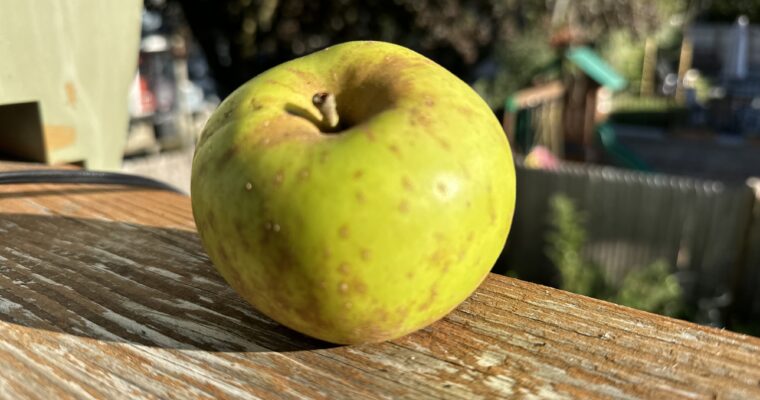
The change in season is upon us, and I’d like to talk about eating seasonally! Last night was our first frost warning in Boston. Foliage senescence is well under way. Halloween decorations are out. I just bought my second gallon of fresh pressed apple cider. …
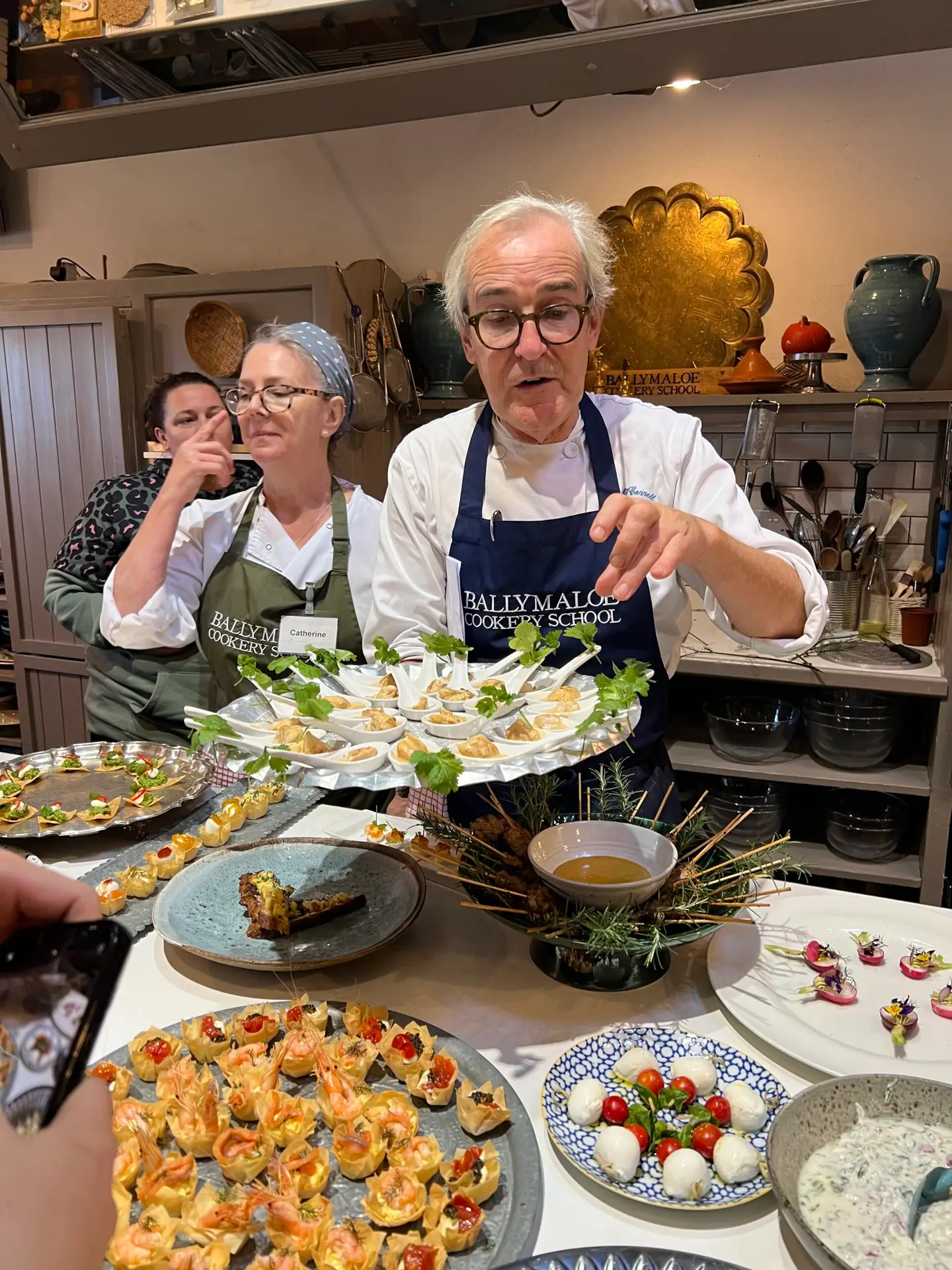
About a year after my family started a farm, I realized I wasn’t making good use of the gorgeous vegetables we were growing. I love roasted vegetables, but that’s pretty much all I did. I took a pickling and fermentation class with Farmbelly, aka Michelle Aronson, a cooking teacher and soon to be farmer. At the beginning of class, Michelle waxed poetic about her time learning to cook at Ballymaloe Cookery School in Ireland. I was so entranced I immediately followed the school on Instagram.
About three years later, I enrolled at Ballymaloe Cookery School in County Cork, Ireland, for their twelve week certificate course. From September to December 2022, I lived and cooked on a 100 acre organic farm by the sea, surrounded by gardens, glasshouses, and dairy cows.
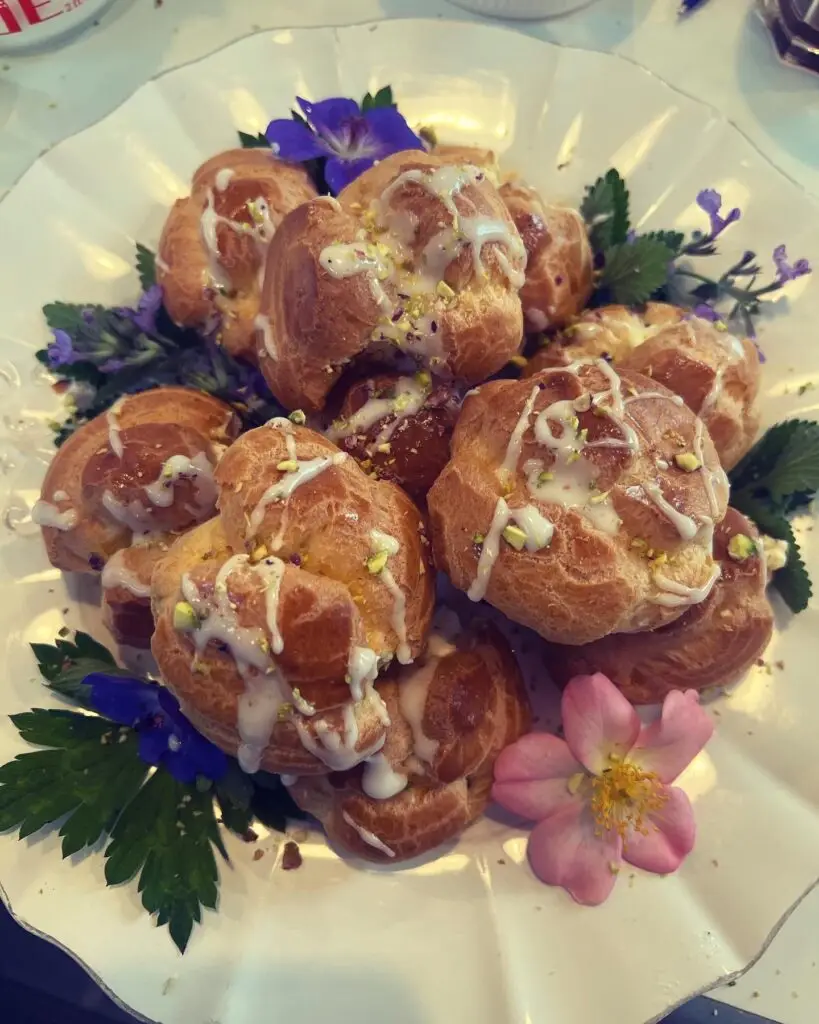
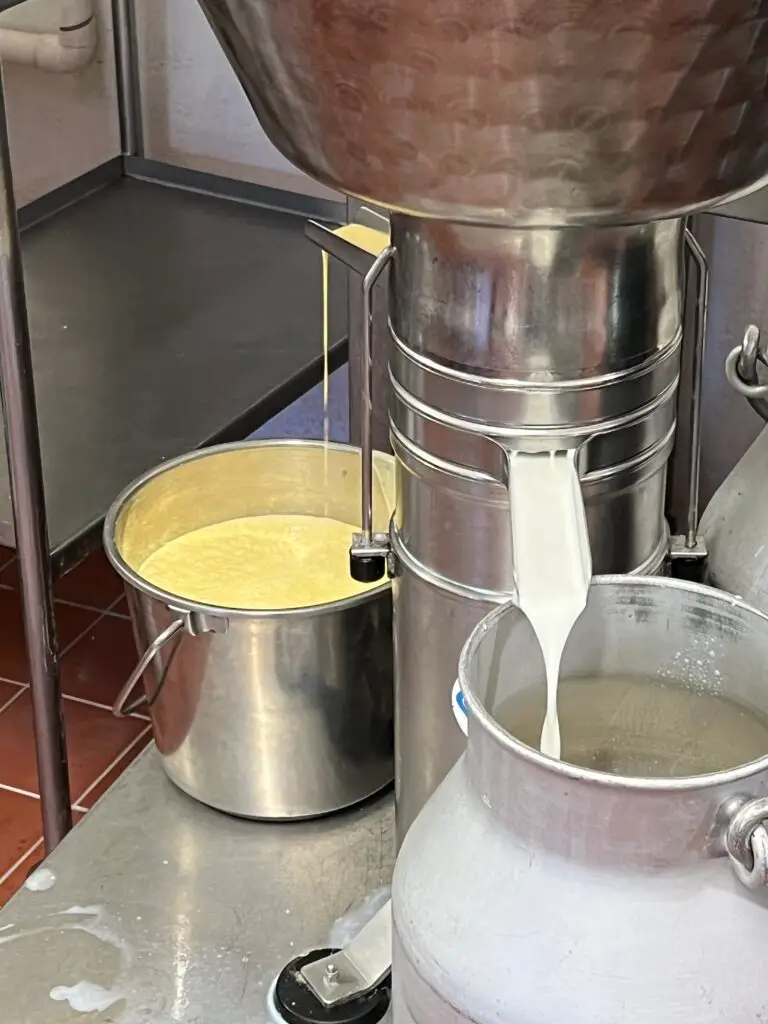
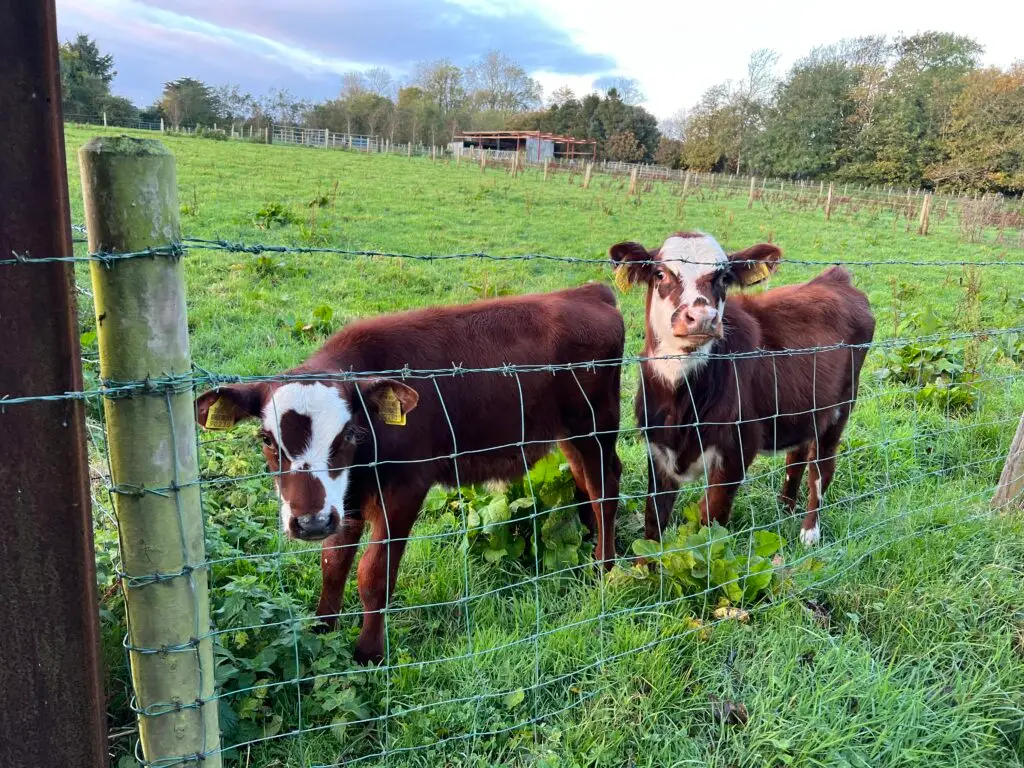
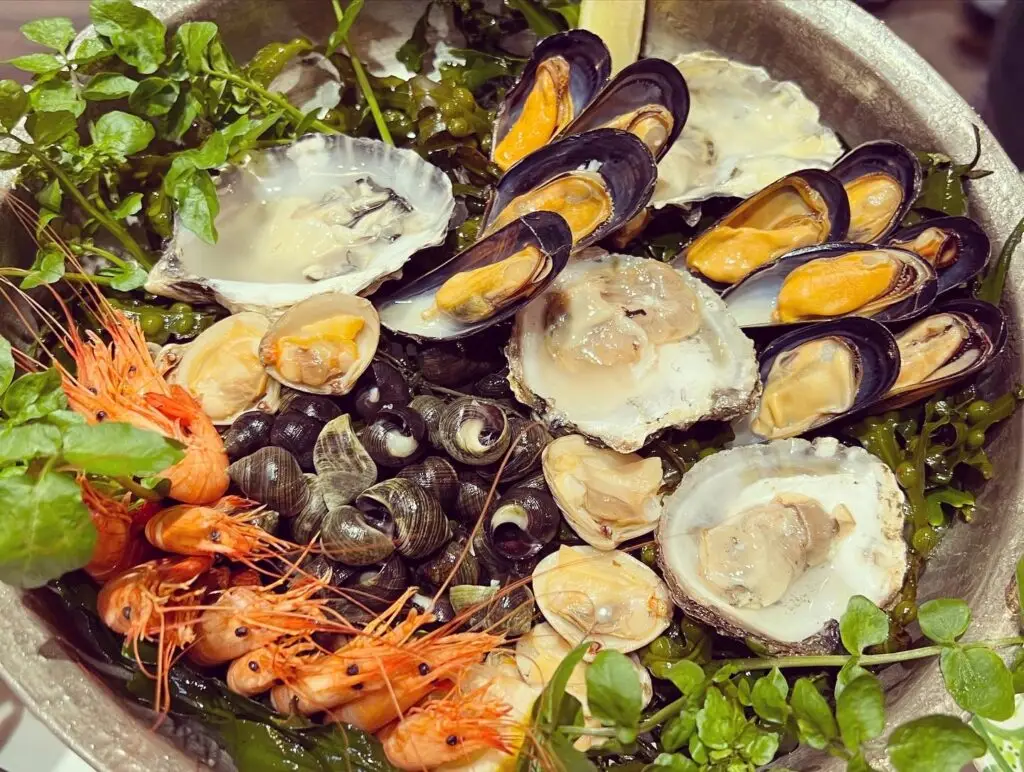
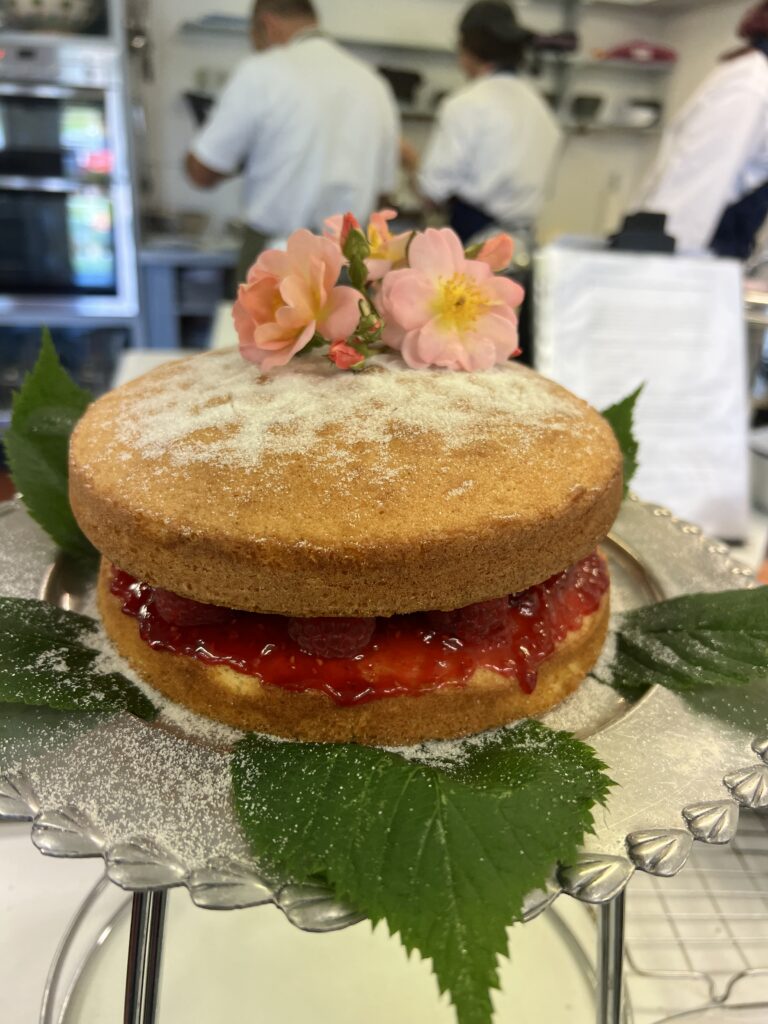
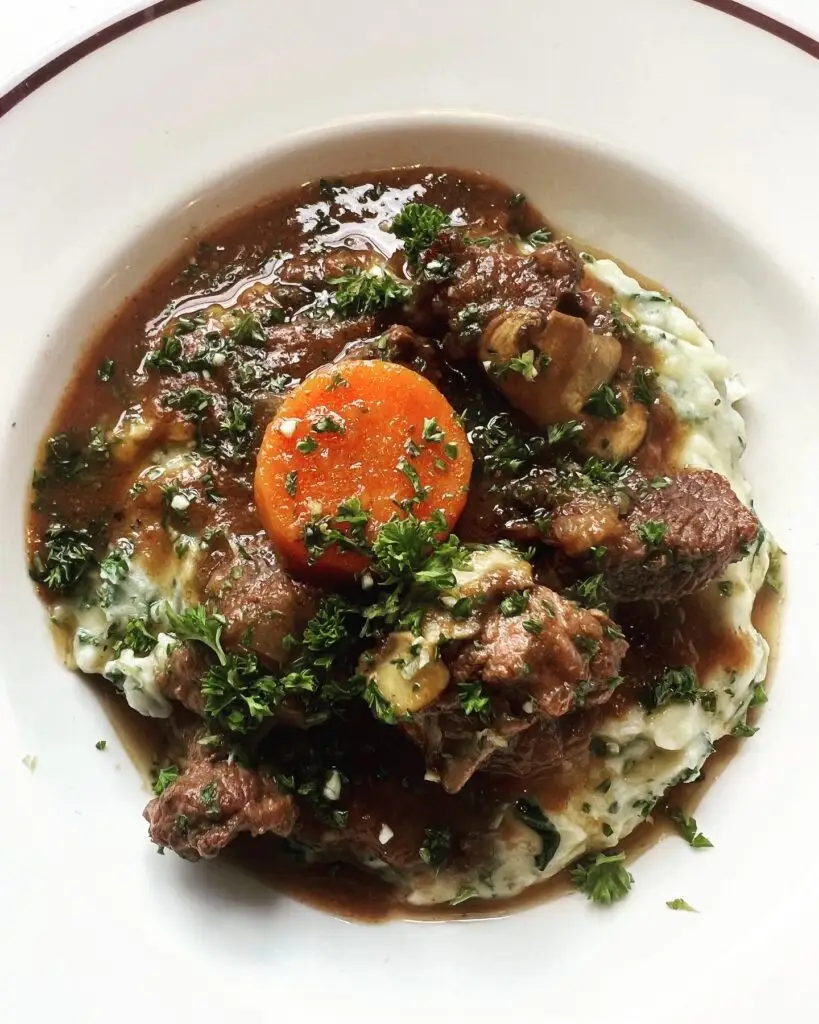
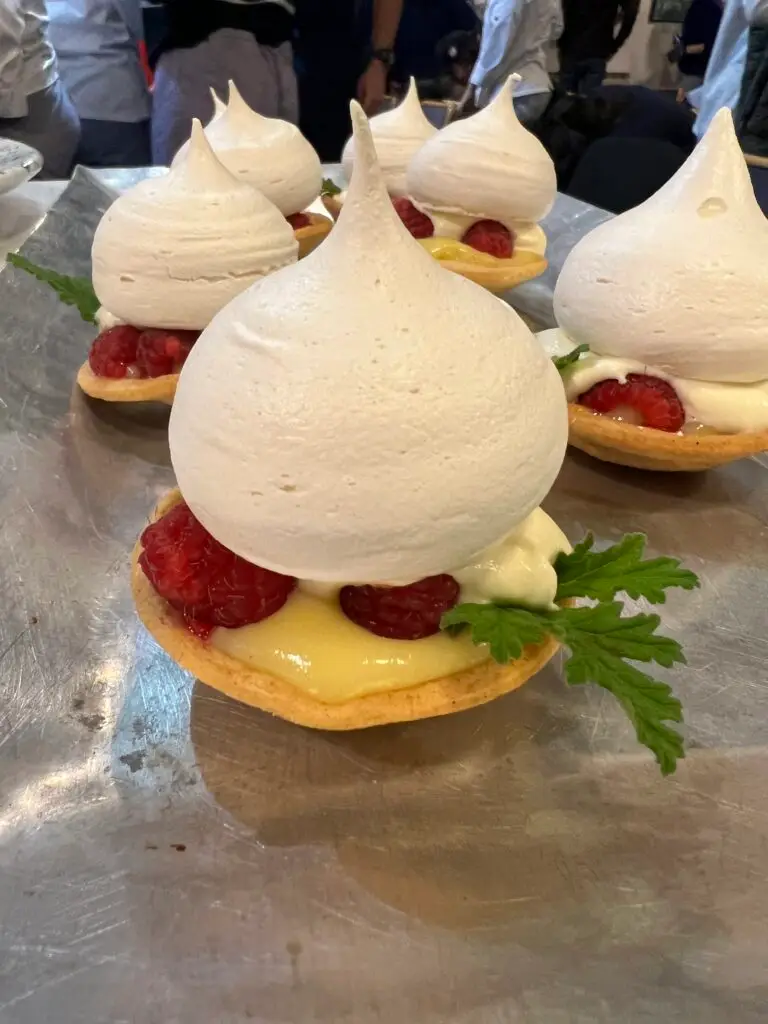
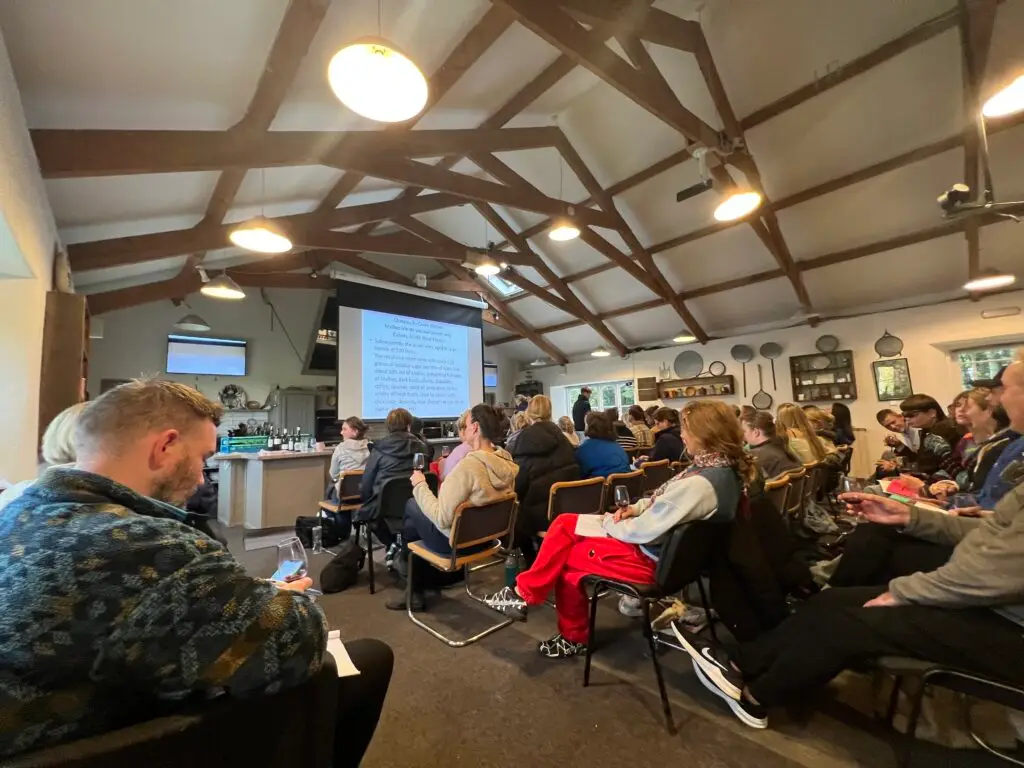
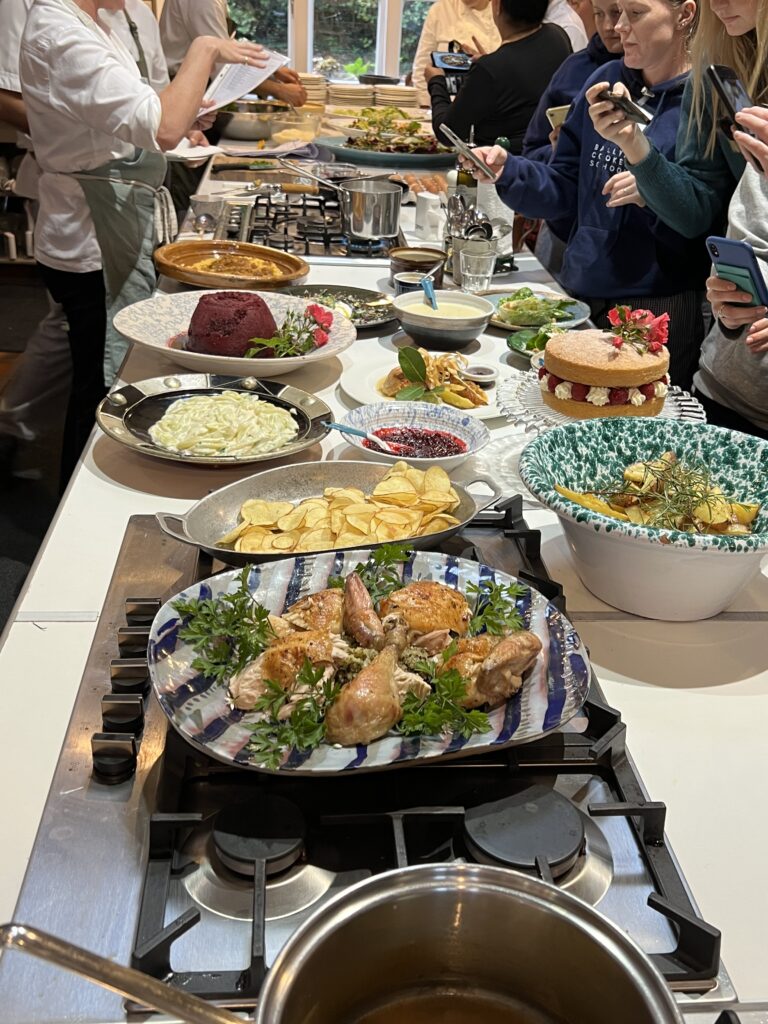
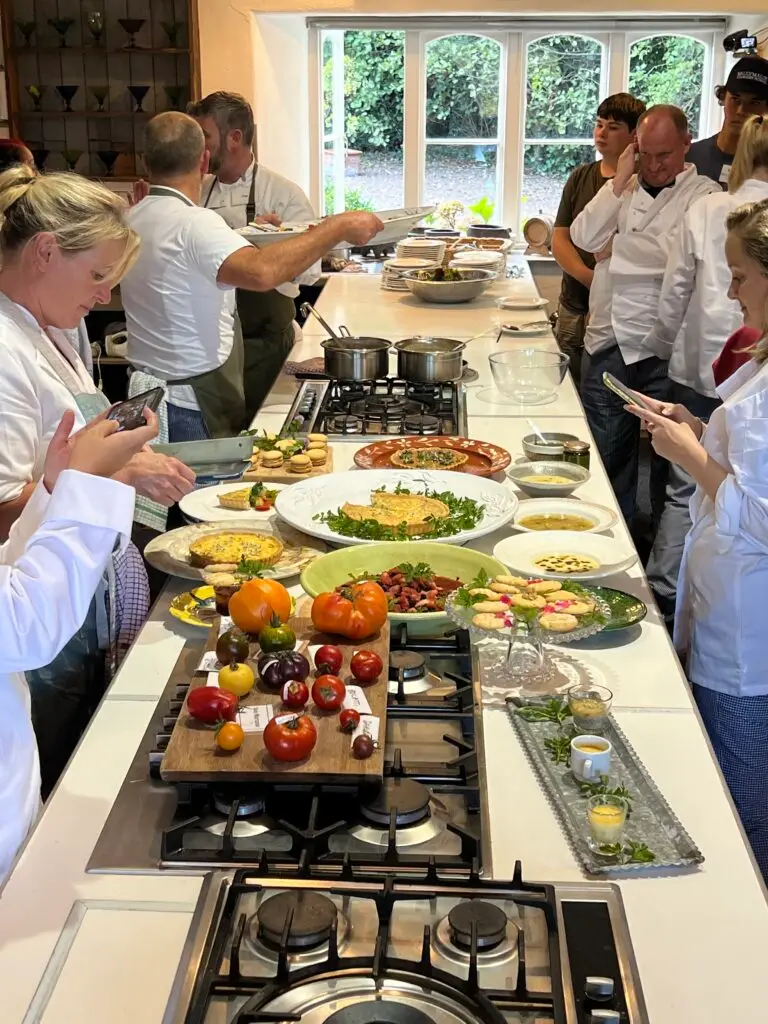
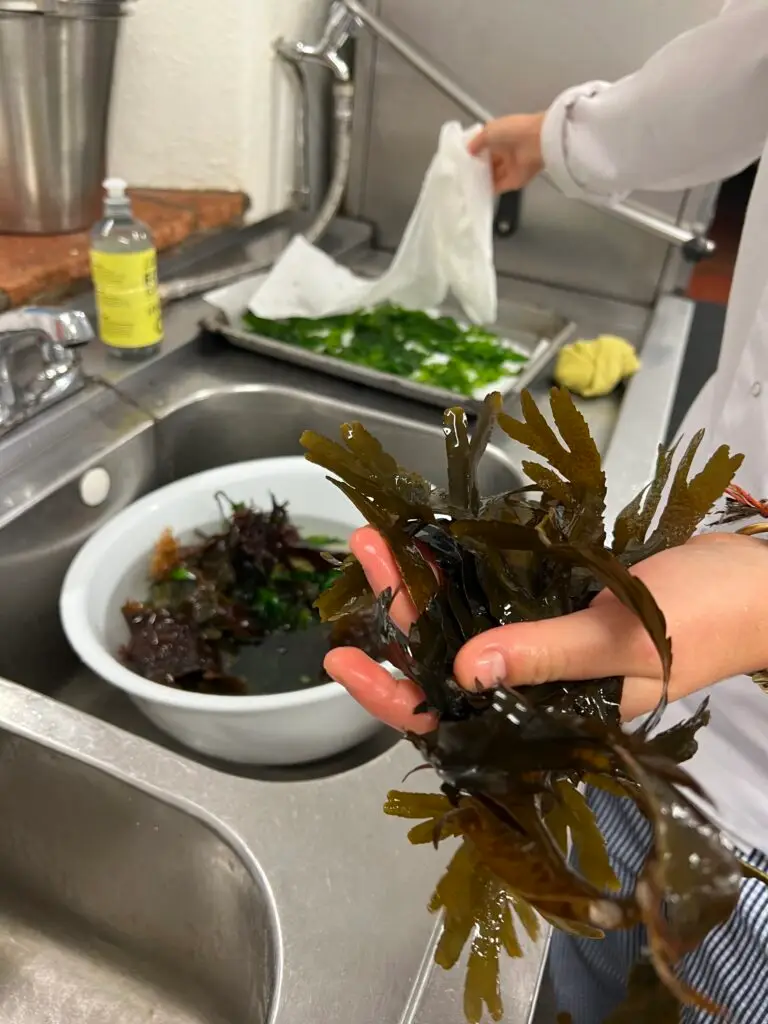

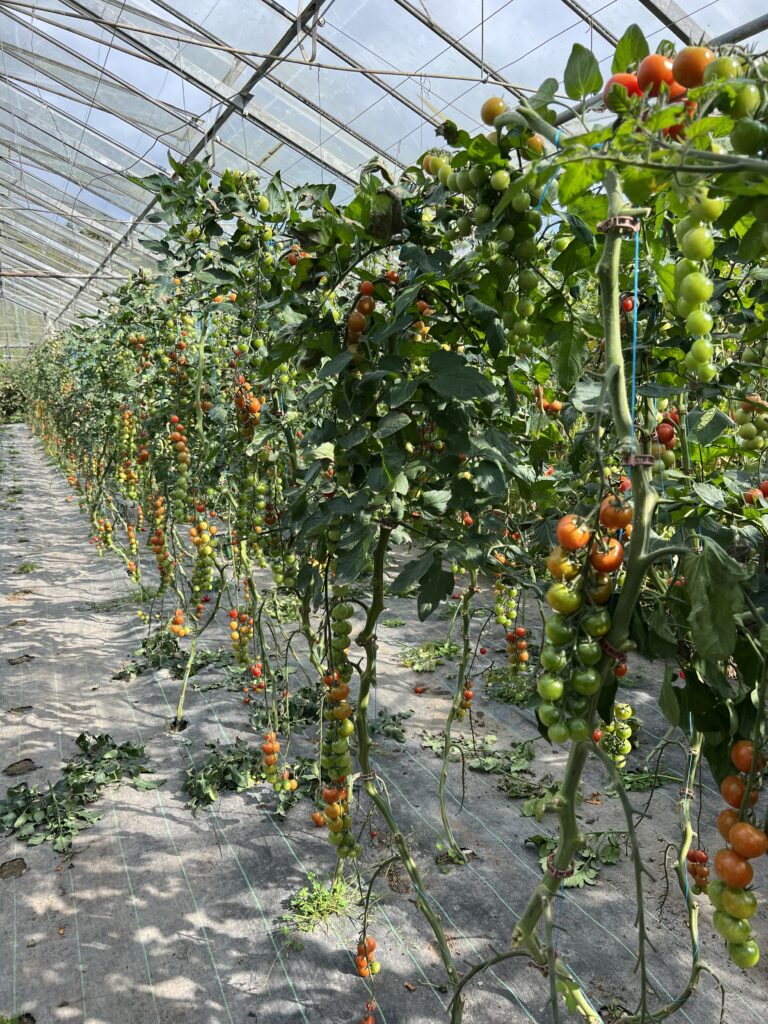
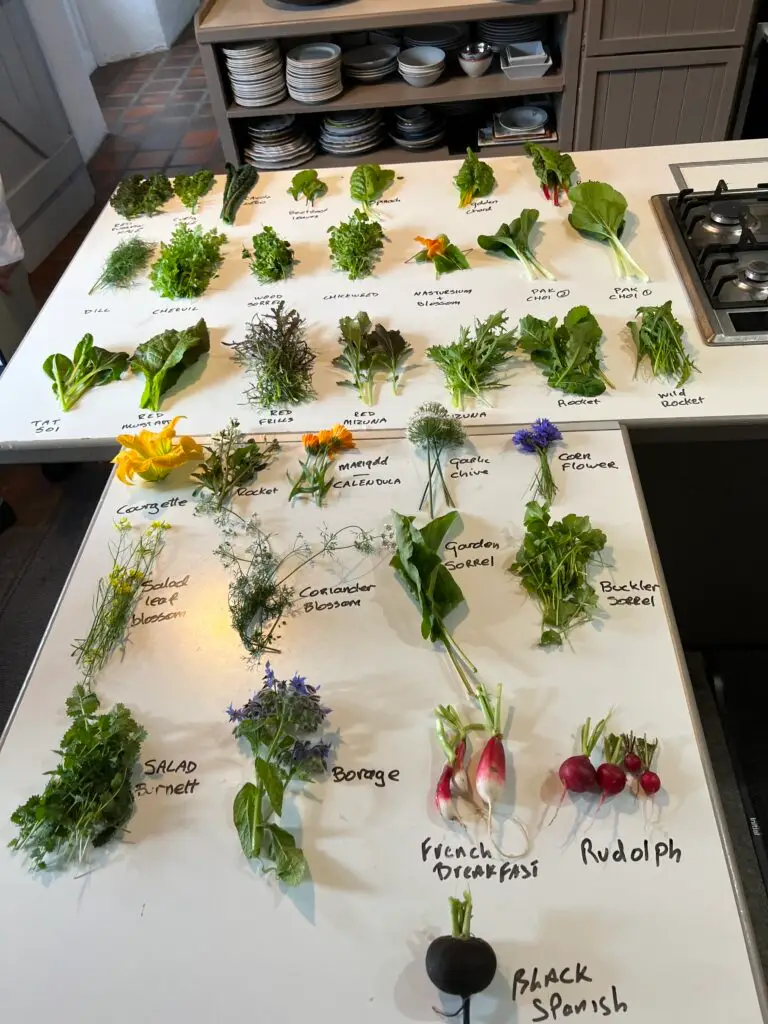
The school, founded in 1983 by Darina Allen and her chef brother Rory O’Connell, has always championed real food, real farms, and traditional Irish cooking long before farm to table became popular. We learned to use kitchen scraps to make a perfect stock, forage for seaweed along the shore, and taste the seasons directly from the garden.
I learned so many things that made me a better cook. How to make a cartouche, for instance, a little circle of parchment laid over garlic and onions so they sweat instead of burn. That one small piece of paper changed my cooking forever. I also learned how to fail properly. My soufflé collapsed spectacularly, and I had to own it. The instructors had the patience of saints. But that too was part of the education. I learned that cooking is about presence, not perfection.
Before Ballymaloe, I often rushed. I multitasked, skimmed recipes, and treated cooking like a side chore. At Ballymaloe, I had to give it my whole focus. Cooking deserved it, and I deserved it. That was the real turning point for me. I began to see the joy in paying attention to every step, to notice the way onions transform slowly in butter, or the way fresh herbs and flowers carry the garden onto the plate.
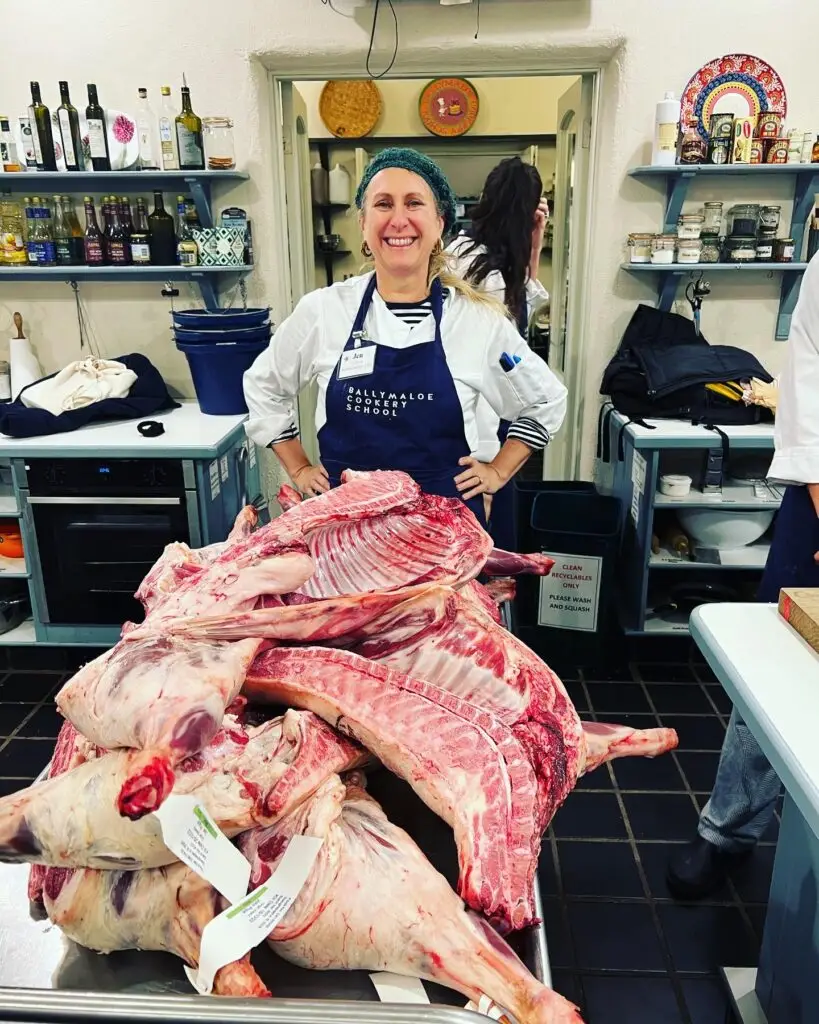
This post is a bit of an introduction to Ballymaloe Cookery School in Ireland. I hope to write follow ups, especially about Maria Walsh, who teaches fermentation, as well as some of the recipes I learned that would lend themselves to a cheeseboard. It was only twelve weeks, but I learned more than I could have imagined.
But it wasn’t just about the cooking. It was the people, especially my housemates in Pennyworth Cottage, a group of students from all over the world, living together, laughing late into the evening over endless cups of wine, whiskey and lemsip. (I had a cold much of the time) There was always craic to be had. I made friends I hope to keep for the rest of my life. I was also inspired by my classmates, many of whom were vastly more talented than me.
Sometimes when I tell people I went to Ireland for cookery school, they ask, “What did you learn to cook? Potatoes?” I understand that reaction, because before I went I didn’t know about the revival of Irish and British cooking or Ballymaloe’s role at the heart of it. And yes, we cooked potatoes. Potatoes are awesome.
Ballymaloe did not turn me into a chef. It reminded me that I am a cook, and that is enough. It reminded me that food is culture, care, and connection. And it set me on the path I am on now, building Crumb and Rind, teaching about cheese, and sharing what I love with whoever is at the table.
Thanks a million, Ballymaloe.
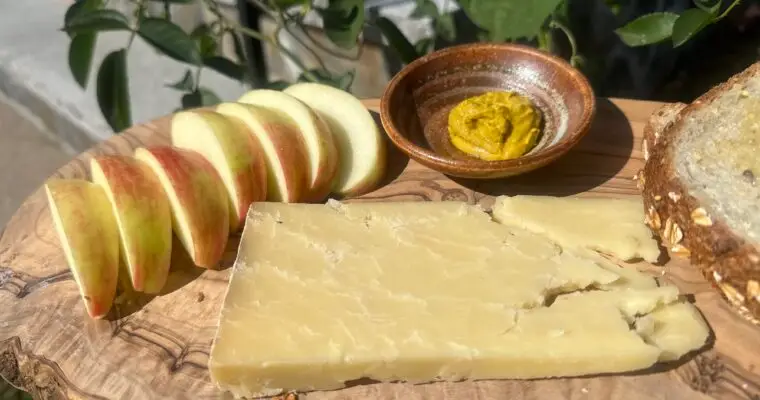
Our previous post was about the Trethowan Brother’s Gorwydd Caerphilly, so we decided it made sense for our next post to be about Pitchfork Cheddar, a West Country Farmhouse PDO Cheddar, also made by the Trethowans! When the brothers left Wales, where they had already …
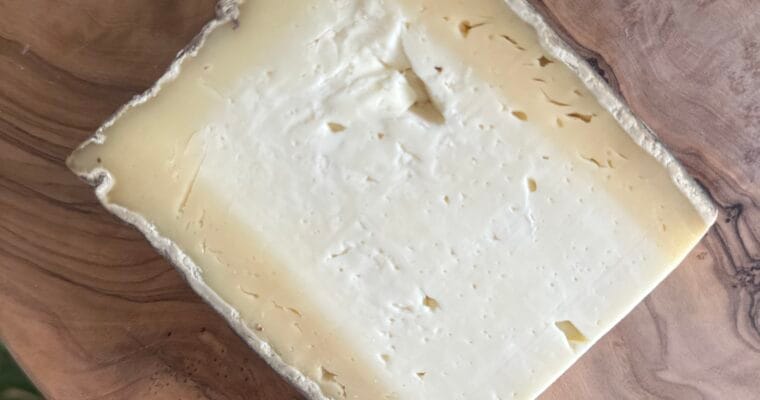
I’ve always been drawn to Caerphilly. It’s a Southern Welsh cheese, and family lore says my great-grandparents on my mother’s side were Welsh coal miners before they emigrated to Pennsylvania. Beyond that though, I think Gorwydd Caerphilly maybe the prettiest cheese I’ve ever seen. What …
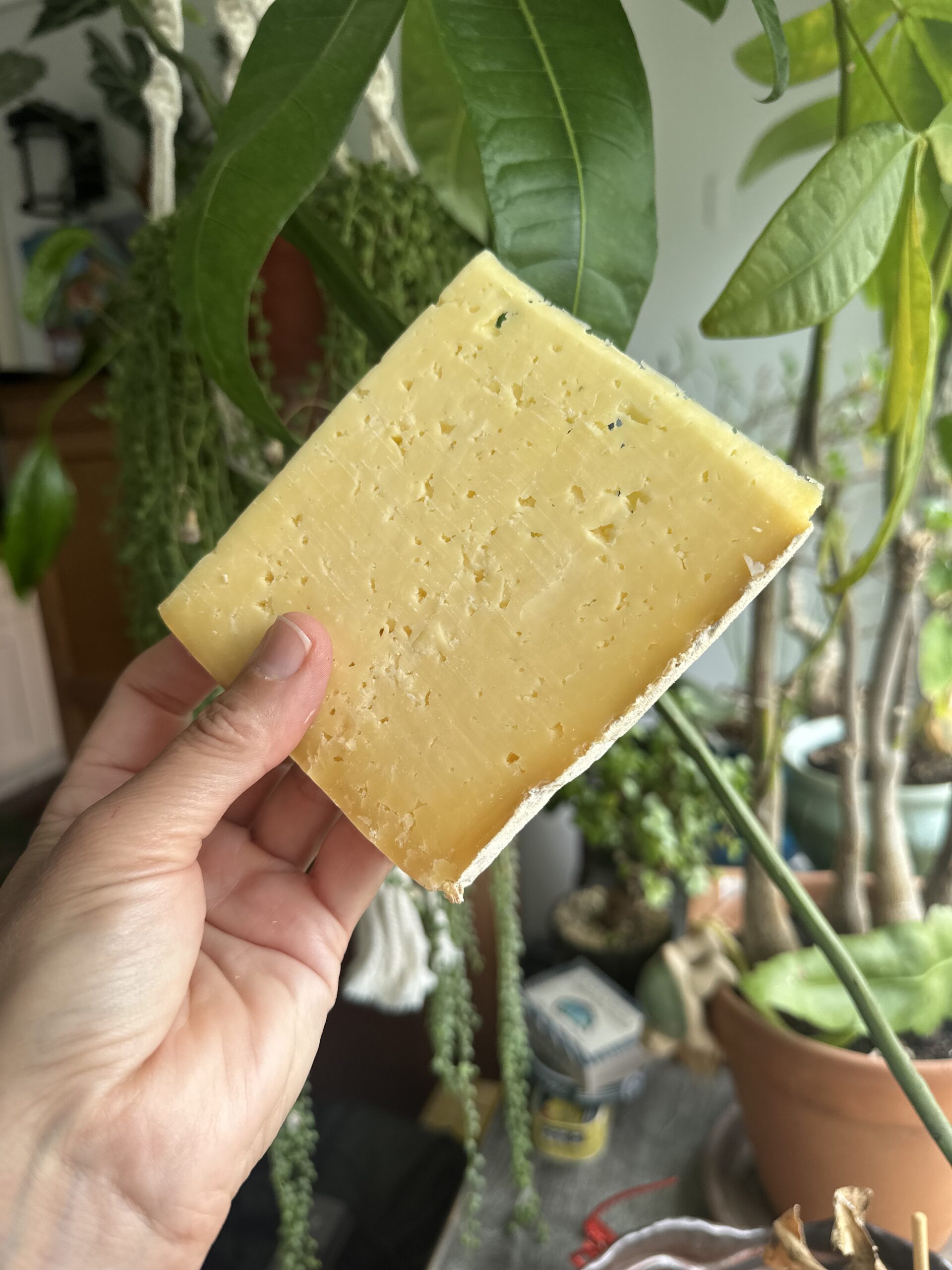
Yoredale from Curlew Dairy in the Yorkshire Dales, is real farmhouse Wensleydale, brought back from extinction. For many people, Wensleydale means the industrial blocks in the supermarket, studded with cranberries at Christmas. Yoredale shows what the cheese was meant to be. It’s one of my favorites, and I hope you have the chance to try it!
Wensleydale was born in Yorkshire when French Cistercian monks arrived with their cheese-making skills. Later, when Henry VIII’s minister Thomas Cromwell oversaw the Dissolution in the 1530’s, stripping the abbeys of their land and wealth, the recipe was passed along to farmers’ wives. (I’m on my third book about Thomas Cromwell this year, so I just had to throw that in.)

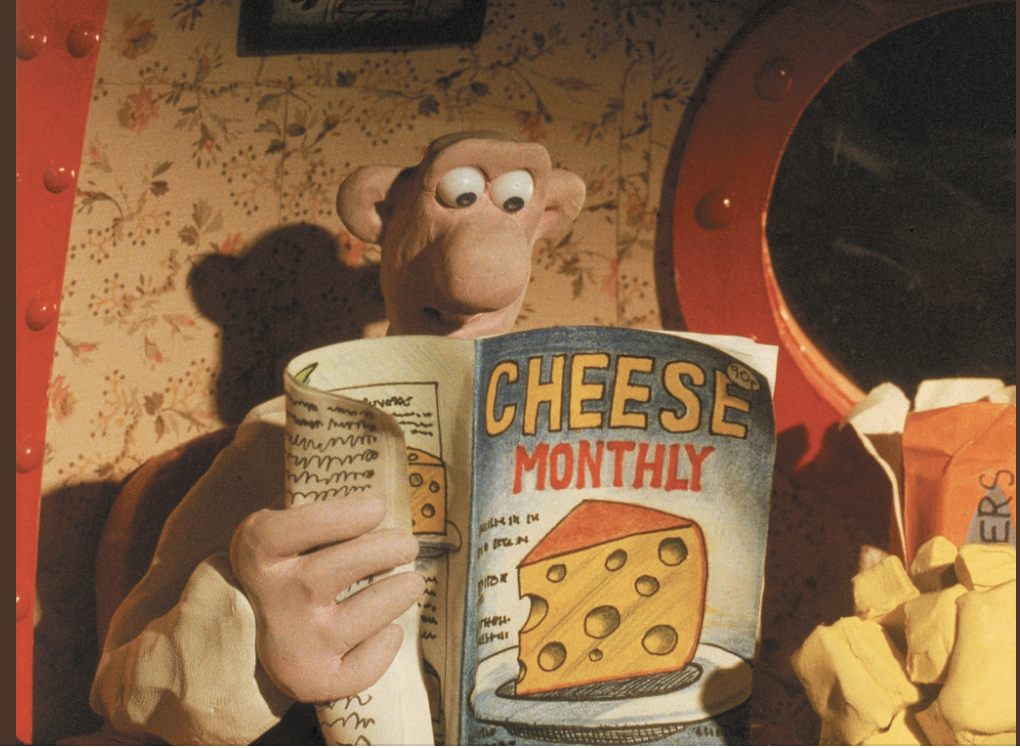
By the late 20th century, traditional farmhouse Wensleydale nearly disappeared. We talked about the effects of Industrialization in our post on Kirkham’s Lancashire. Production had long moved into factories, and the old ways of making it on small farms were gone. The last creamery in Hawes was even set to close in the 1990s. What saved it, oddly enough, was Wallace and Gromit! Their love of Wensleydale in the films sent demand soaring, giving Wensleydale Creamery a lifeline and sparking interest in real Yorkshire cheese again. That surge of interest set the stage for Sam and Ben Spence at Curlew Dairy to help bring real farmhouse Wensleydale back to life.
Eglantine: I grew up in Yorkshire, so I’ll tell you straight, Wensleydale belongs to this place. For centuries in the Dales, farmers’ wives made Wensleydale, using up the surplus milk when the cows were flush in summer. The cheese is best young and fresh, often eaten with bread and ale at the table, or taken down to the markets. It was never meant to be fancy. It was everyday cheese, proper food for working people, and part of the rhythm of the farm.
That is what Curlew Dairy brought back with Yoredale. They use milk from Holstein and Ayrshire cows, well suited to cheesemaking and to the rough ground of the Dales. The herd grazes on high pastures for much of the year, feeding on grass and wildflowers that give the milk its clean, lactic character. In winter, they eat gorgeous haylage grown on the farm, giving the milk an even sweeter taste. They use the milk the same day, raw and full of its natural flora, to make Yoredale in their dairy in North Yorkshire.
Eglantine: The trick with Wensleydale is in the curd. We cut it bigger and stir it less, so it keeps hold of more whey, and we press it only lightly. That is what makes the cheese moist and crumbly instead of hard and dry. If you press it too much or cut the curd too fine, you end up with something closer to Cheddar. Done right, Wensleydale stays fresh, clean, and lactic with that touch of honey sweetness. It is honest cheese, proper to the Dales.
Aritz: Yoredale Wensleydale ages three to four months. Because the curds are large and hold more whey, the cheese cannot be kept for long aging like Cheddar or Comté. I have nothing more to add, Eglantine has done a beautiful job explaining this cheese.
This is a good moment to notice how curd size affects a cheese. Large curds hold more whey, so the cheese stays juicier and fresher, with a crumbly but moist bite. Small curds, cut fine and stirred longer, drain more thoroughly and set the stage for firm, long-aged cheeses like Cheddar, Parmigiano Reggiano, or Gouda. The make begins with the curd, and the curd decides much of the cheese. If you’re not sure what curd is, stay tuned for an explanation!
The flavor of Yoredale is a lovely balance of freshness and depth. It has a clean lactic tang, hints of grass and herbs, and a gentle sweetness. It pairs beautifully with crisp apples, ripe pears, and fresh figs. A glass of cider or a light ale will echo its bright acidity, while a floral white wine will bring out its delicate sweetness.
There are two other farmhouse Wensleydales you can find at Neal’s Yard Dairy, but Yoredale is the only one they bring over to the United States. Please comment if you’ve tried the others!
Sources:
https://www.wensleydale.co.uk/our-story-i22
https://www.curlewdairy.co.uk/p/about-us.html
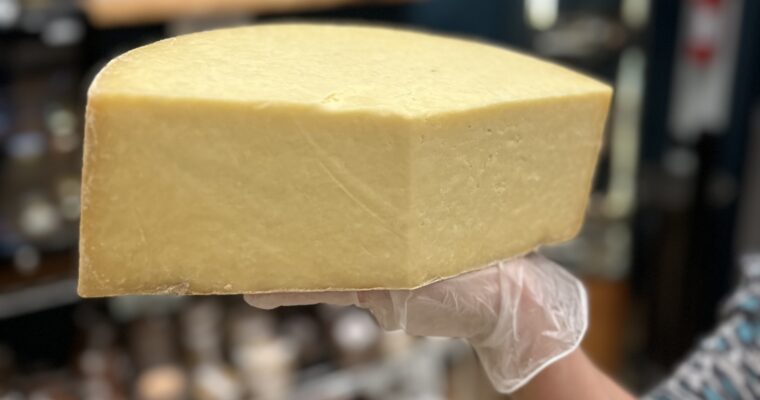
Kirkham’s Lancashire is an English Territorial, one of the Crumblies, and one of my favorites. It’s buttery, tangy, and as one of my colleagues said, “fluffy.” However, when people see Kirkham’s Lancashire on the counter, they figure it’s another cheddar. With this post, we’re hoping …