Irish Washed Rind: Durrus
The Big Three: A Rebirth in West Cork
In the 1970s, a quiet revolution began in the counterculture kitchens of West Cork, Ireland. It was led by Veronica Steele, the pioneer who created Milleens and gave rise to the Irish farmhouse cheese industry. Soon after, two other names became synonymous with this artisanal awakening: Gubbeen and Durrus.
These three families proved that the Irish “terroir” could produce world-class washed-rind cheeses. The Steeles of Milleens legacy, Jeffa Gill of Durrus, and the Fergusons of Gubbeen remain the pillars of Irish Farmhouse Cheese.
The Windswept Terroir
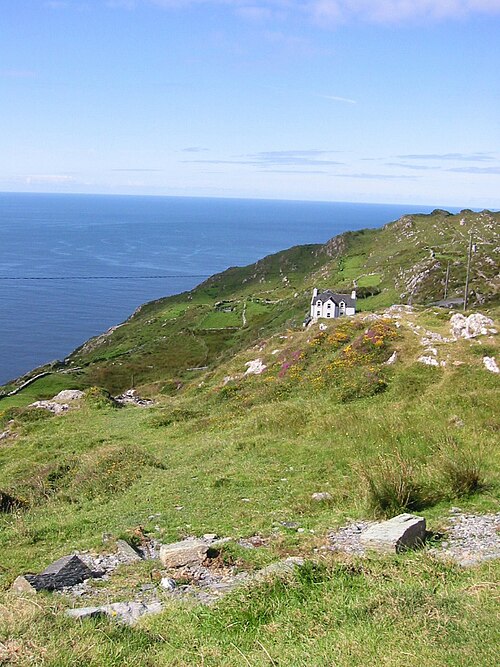
West Cork is the southwesternmost part of Ireland. It is ruggedly gorgeous and remote. Centuries of deforestation and thin, rocky soils have left the land exposed, yet it remains emerald green year-round thanks to the temperate Atlantic climate. Heavy farming machinery would destroy the little topsoil left, so this is best left for the dairy cow!
Eglantine: These Irish lasses graze on hardy grasses and wildflowers, producing milk with depth. Lucky country for cows, that’s for certain.
Aritz: Hippies always end up where the land is cheap and the grass is good.
Crucially, the salty, cold Atlantic air provides the perfect natural humidity for aging. In the maturation rooms, this maritime atmosphere encourages the Brevibacterium linens to thrive, giving Durrus its pinkish-orange rind.
Here We Go On Again About Monks
Long before the 1970s cheese revival, Ireland’s spiritual exports laid the groundwork for European cheesemaking. During the “Golden Age” of the 6th and 7th centuries, Irish monks traveled across Europe, establishing monasteries from Iona to the Alps. These Peregrinati (wandering monks) brought with them advanced agricultural knowledge, including cheese making and aging. In many of the great European abbeys, it was these religious communities that perfected the art of “washing” cheese rinds with brine or booze to keep them moist and ward off unwanted molds.
When Veronica Steele, Giana Ferguson, and Jeffa Gill began washing their rinds in West Cork, they weren’t borrowing a French technique. They were bringing a tradition home, completing a 1,500-year-old circle that started in the stone cells of Irish abbeys.
Eglantine: I grew up among the ruins of an abbey in Yorkshire and made Wensleydale for most of my life, but I didn’t fully understand what those monks had given us until I began traveling. I’ll tell these stories soon enough.
A Modern Renaissance
Today, Durrus exists in an Ireland that is rapidly redefining itself. After centuries of colonization and political strife, the healing nation has emerged as a high-tech powerhouse and the Silicon Valley of the EU. This influx of global wealth and a new, well-traveled generation in Ireland has sparked a culinary rediscovery. The Irish are no longer just exporters of raw ingredients; they are curators of their own food systems. I got to see this first hand while I was learning at Ballymaloe Cookery School in County Cork.
Aritz: Colonization always breaks the food first. Seeing the Irish make their own cheese again is a fine thing. That’s resistance, whether they call it that or not.
The Profile: Durrus Farmhouse
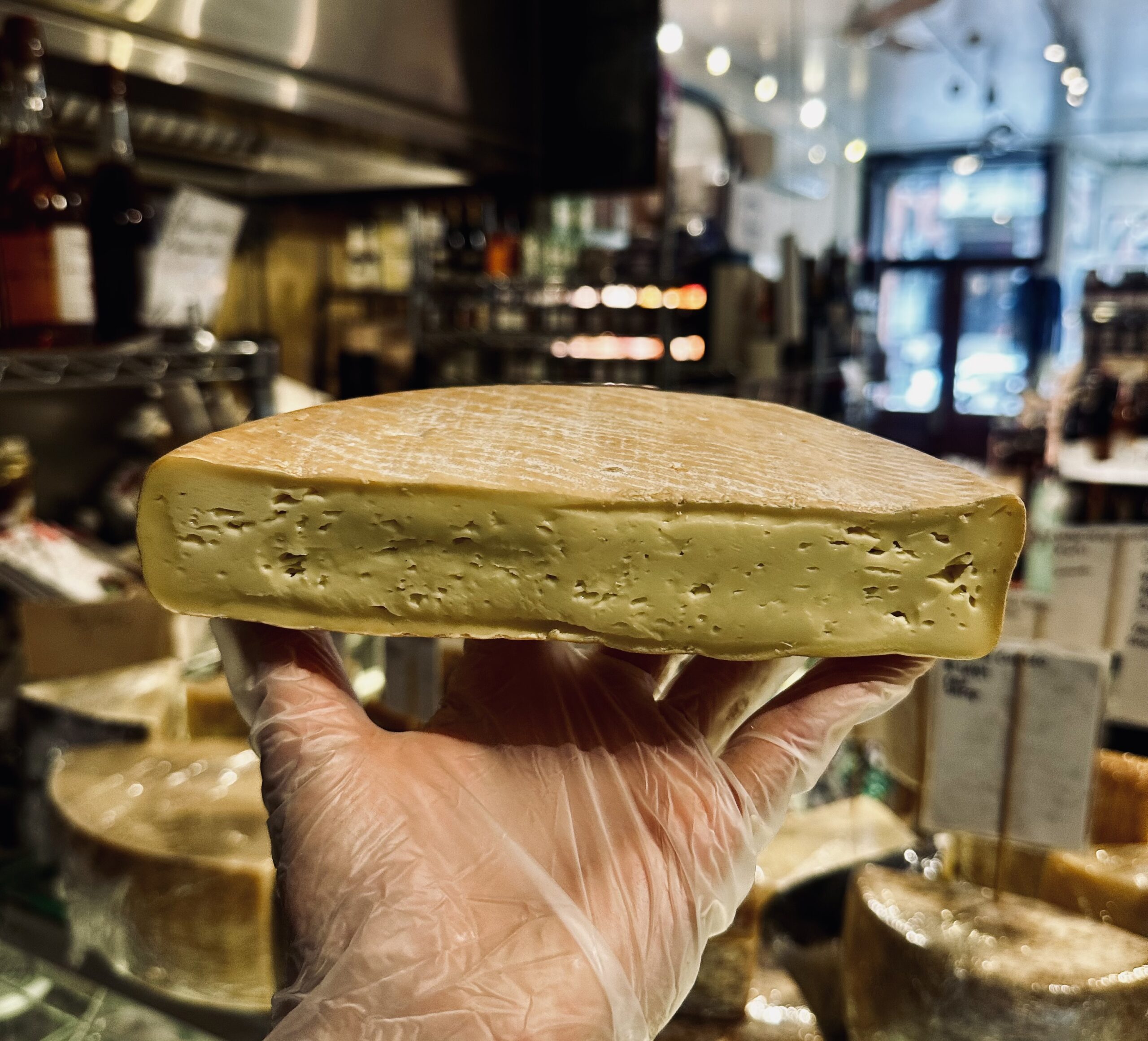
Durrus was created by Jeffa Gill in the Coomkeen Valley on the Sheep’s Head Peninsula of County Cork, Ireland. It is a pasteurized, semi-soft washed rind cheese that captures the essence of the Cork countryside. They also make a raw milk version which I encourage you to find if you’re on that side of the Atlantic.
Durrus is creamy, milky and mild when young, and develops a savory character when aged.
Texture: Pliable and smooth with a thin, slightly tacky rind.
Aroma: Earthy, damp hay
Taste: Buttery to nutty.
Pairings: A dry craft cider, a medium-bodied White Burgundy, honeycomb, or tart apple chutney.