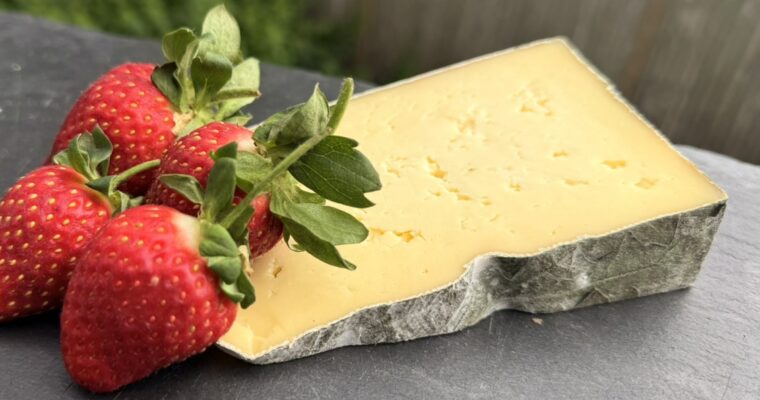
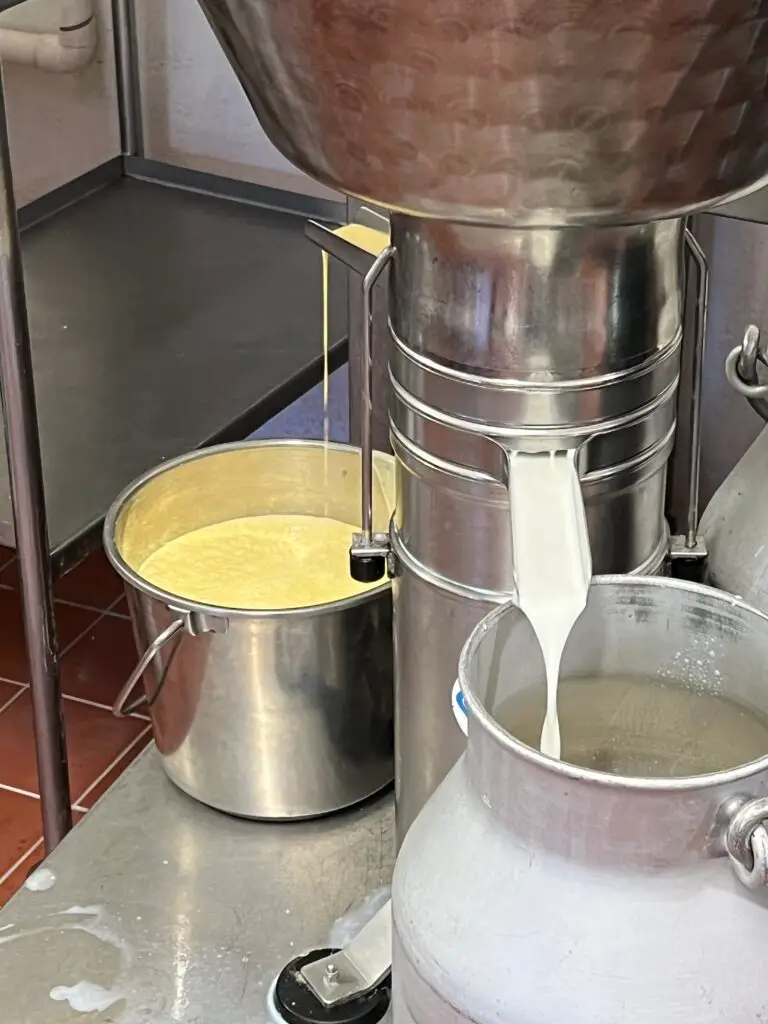
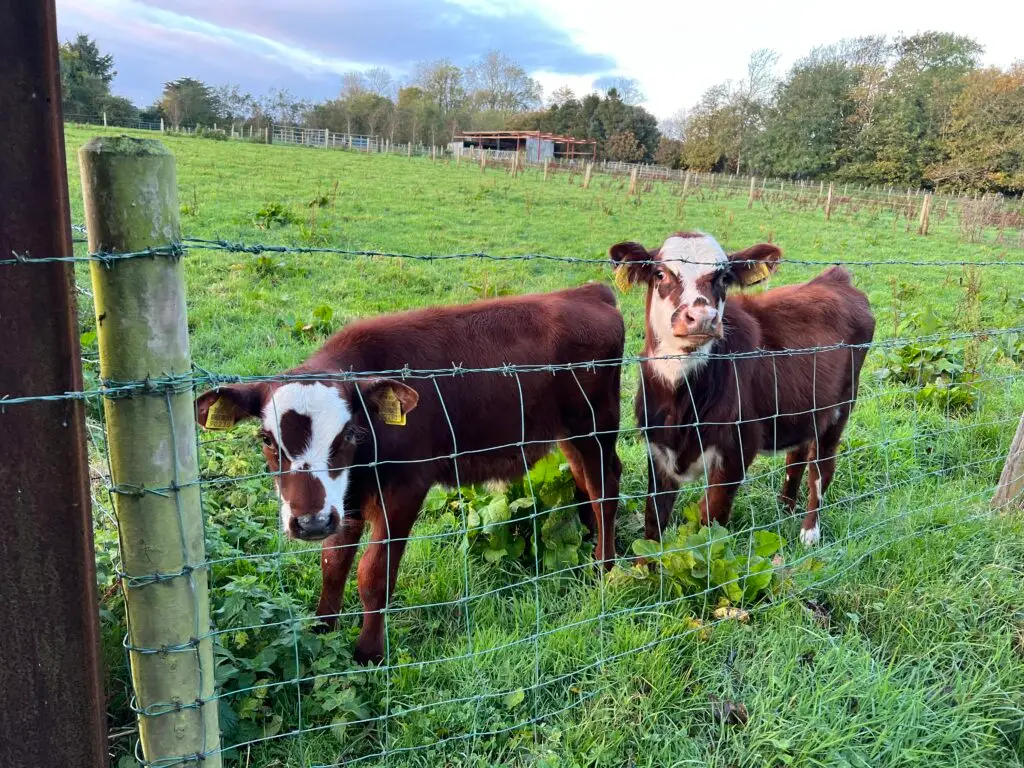
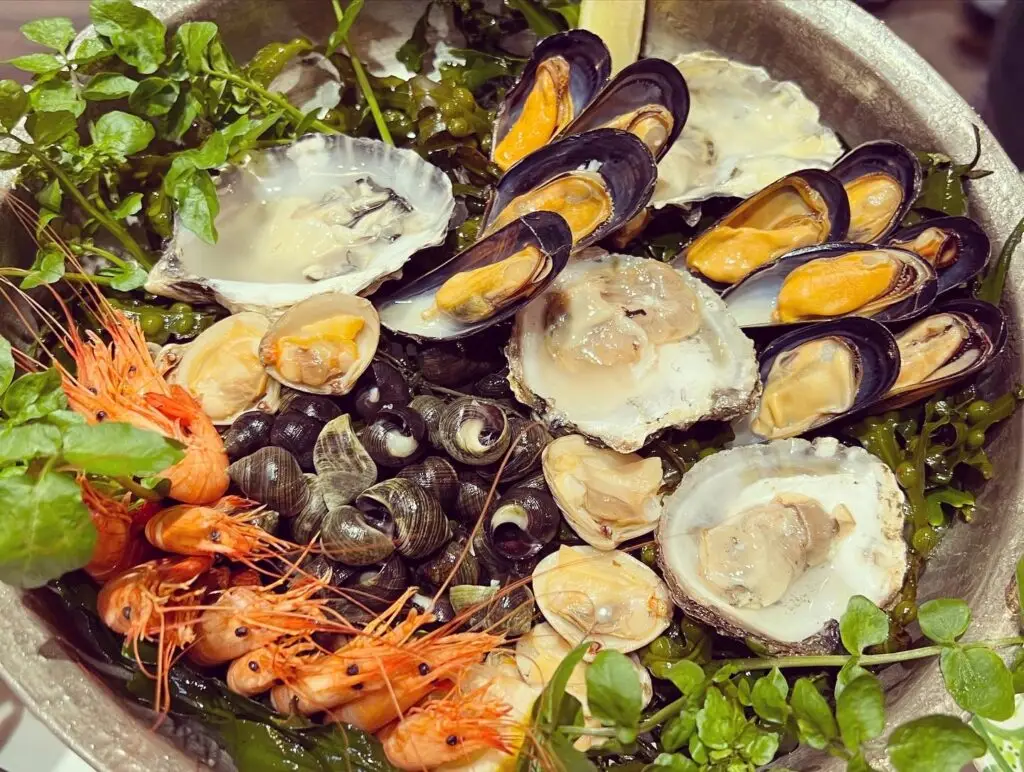
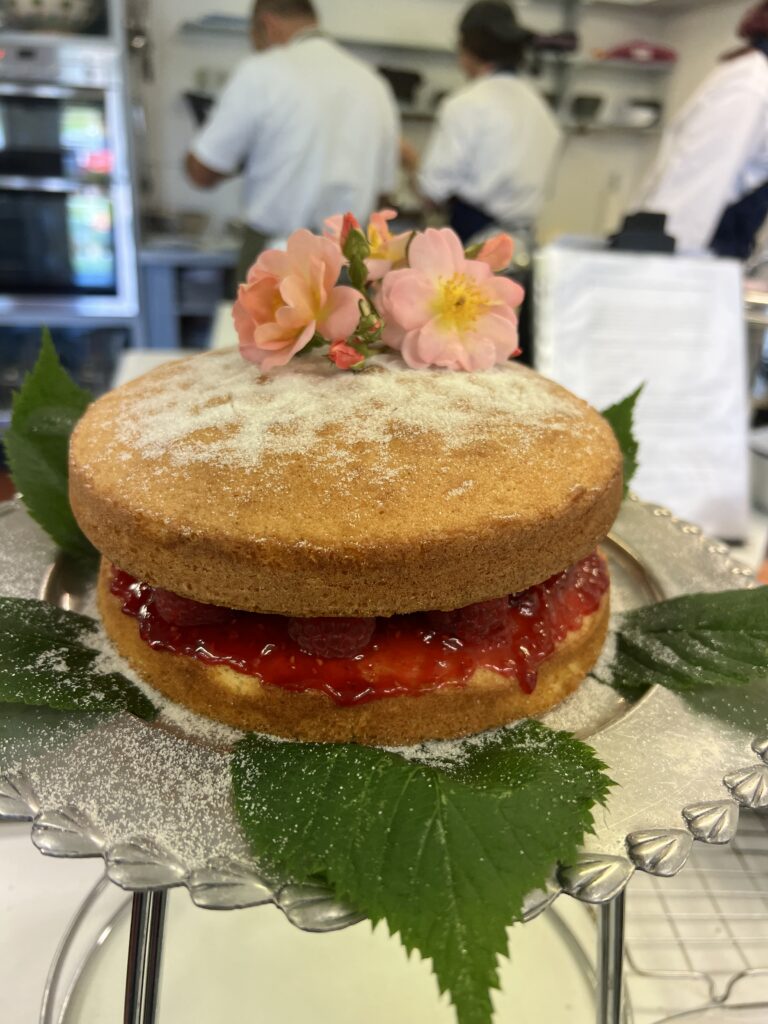
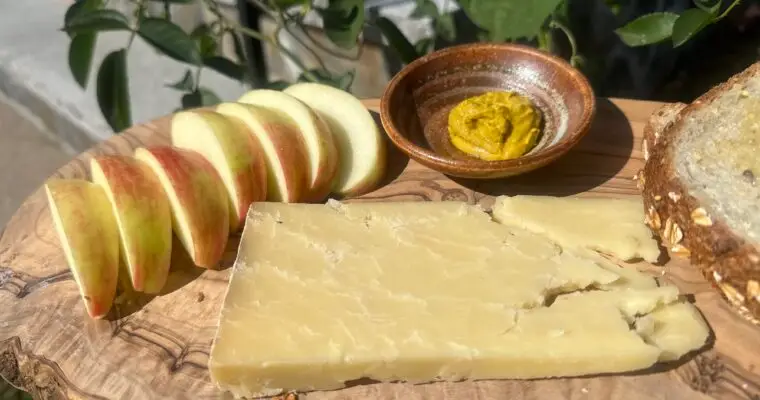
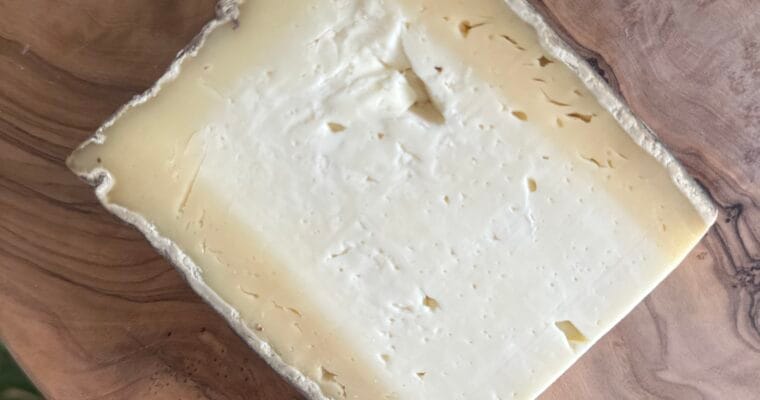
Wrapped in stinging nettles before it matures, Cornish Yarg is one of the most recognizable cheeses in Britain. The nettles encourage a delicate bloomy rind while the interior stays creamy, fresh, and lightly tangy. It’s the kind of cheese I always associate with summer: perfect …
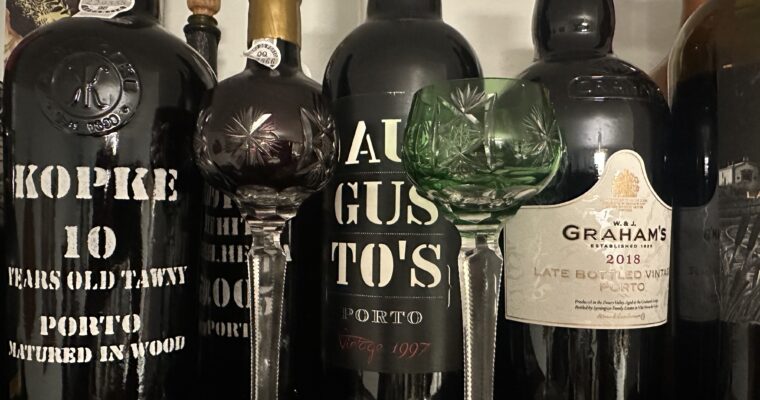
How I Came to Know Port Port is a fortified wine, usually sweet and served after dinner. To be perfectly honest, Port was an acquired taste for me. I don’t like sweet beverages, and it always seemed a bit frumpy to me. The fact that …
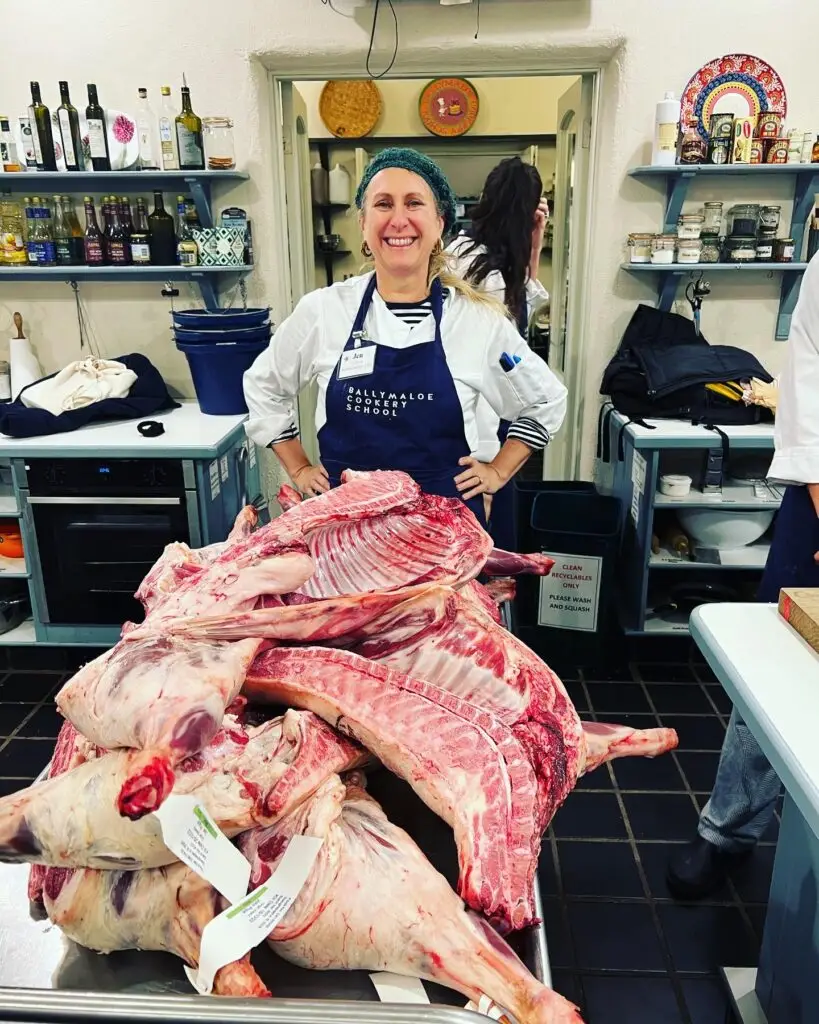
About a year after my family started a farm, I realized I wasn’t making good use of the gorgeous vegetables we were growing. I love roasted vegetables, but that’s pretty much all I did. I took a pickling and fermentation class with Farmbelly, aka Michelle Aronson, a cooking teacher and soon to be farmer. At the beginning of class, Michelle waxed poetic about her time learning to cook at Ballymaloe Cookery School in Ireland. I was so entranced I immediately followed the school on Instagram.
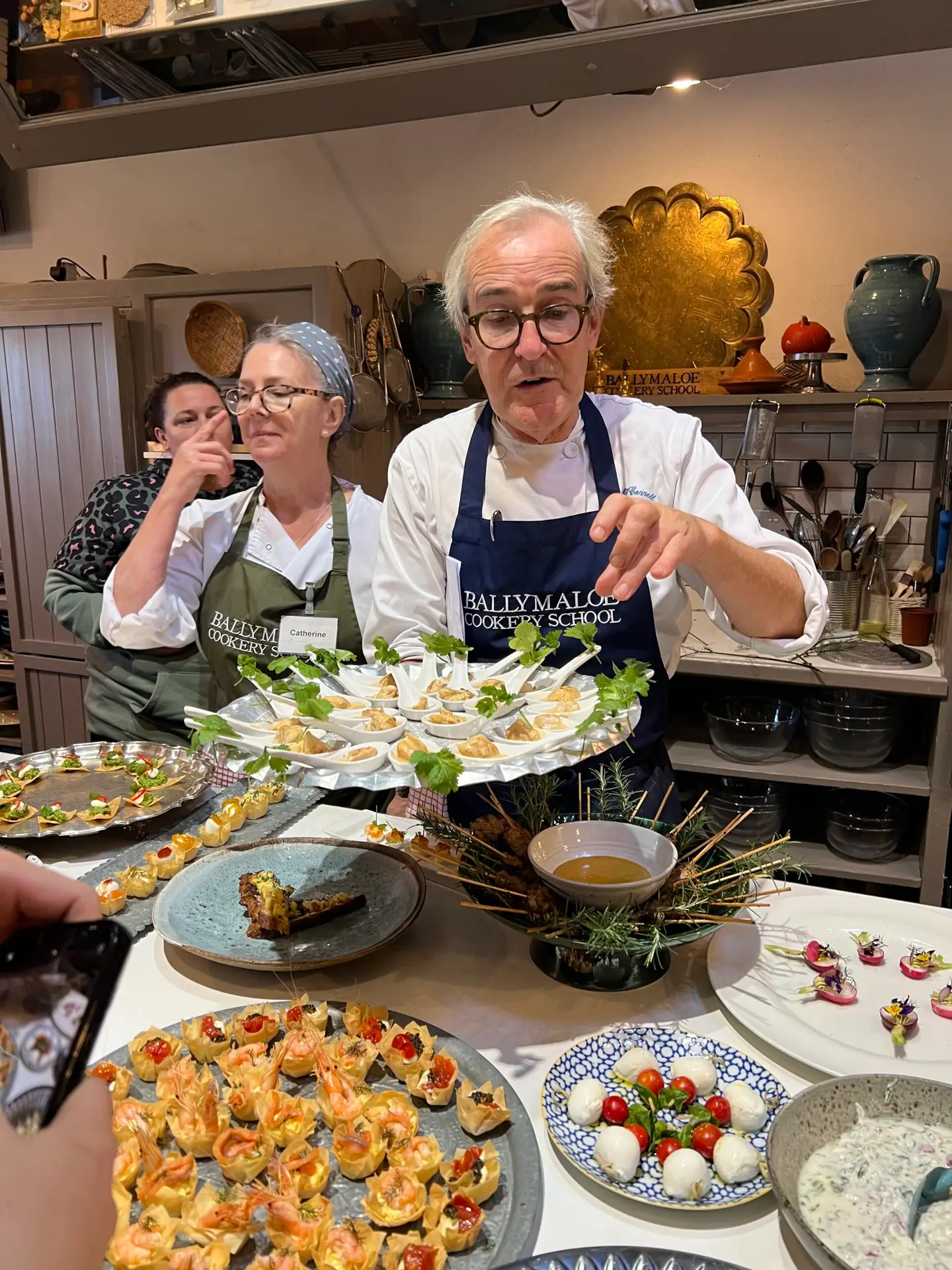
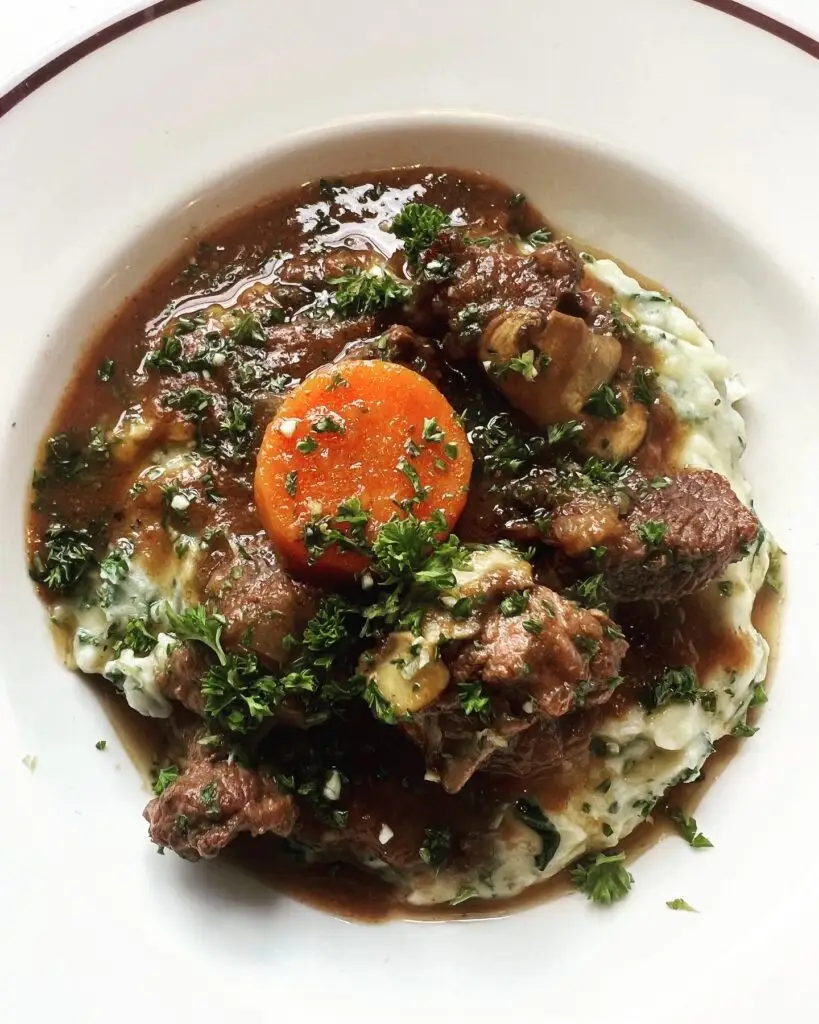
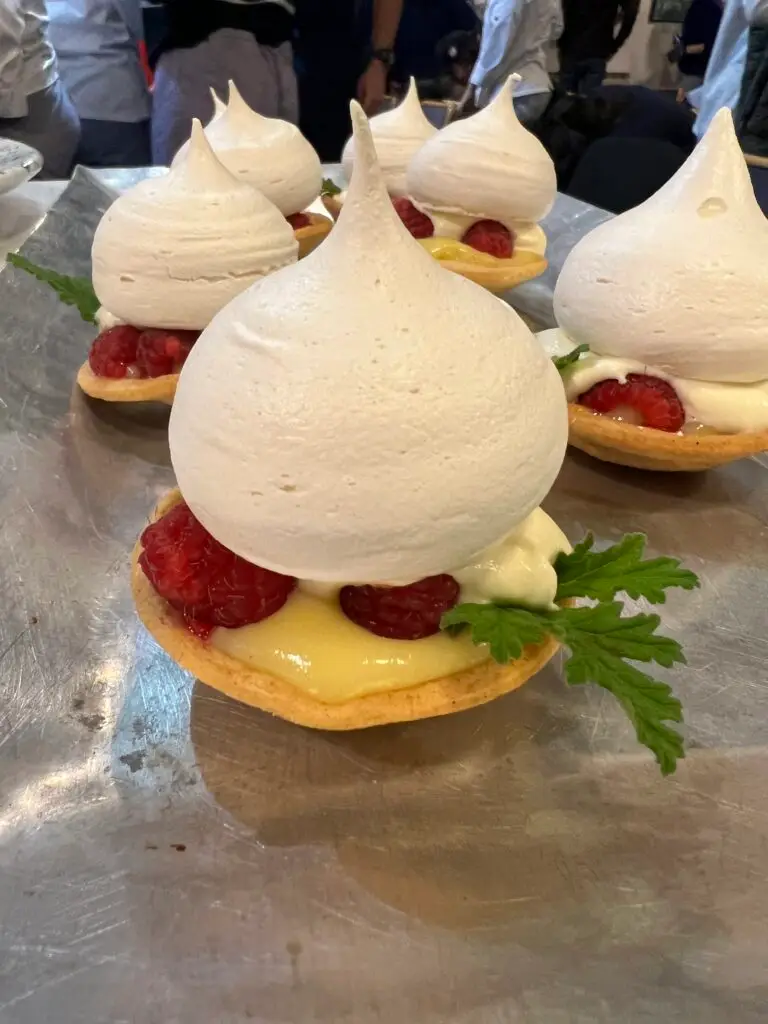
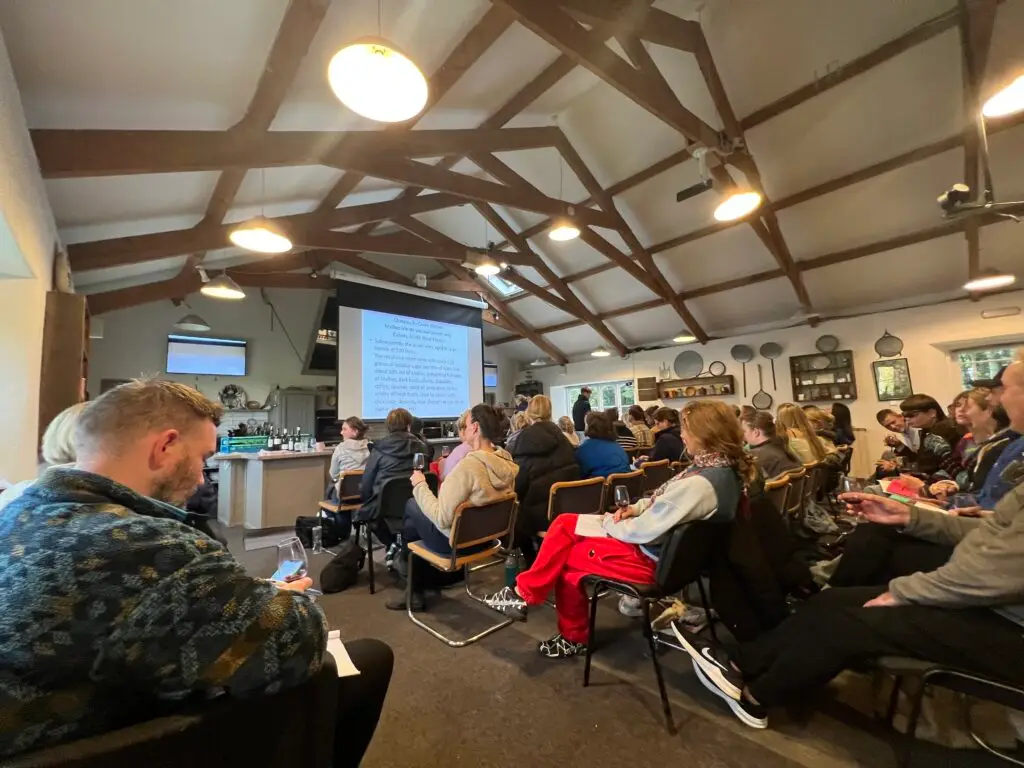
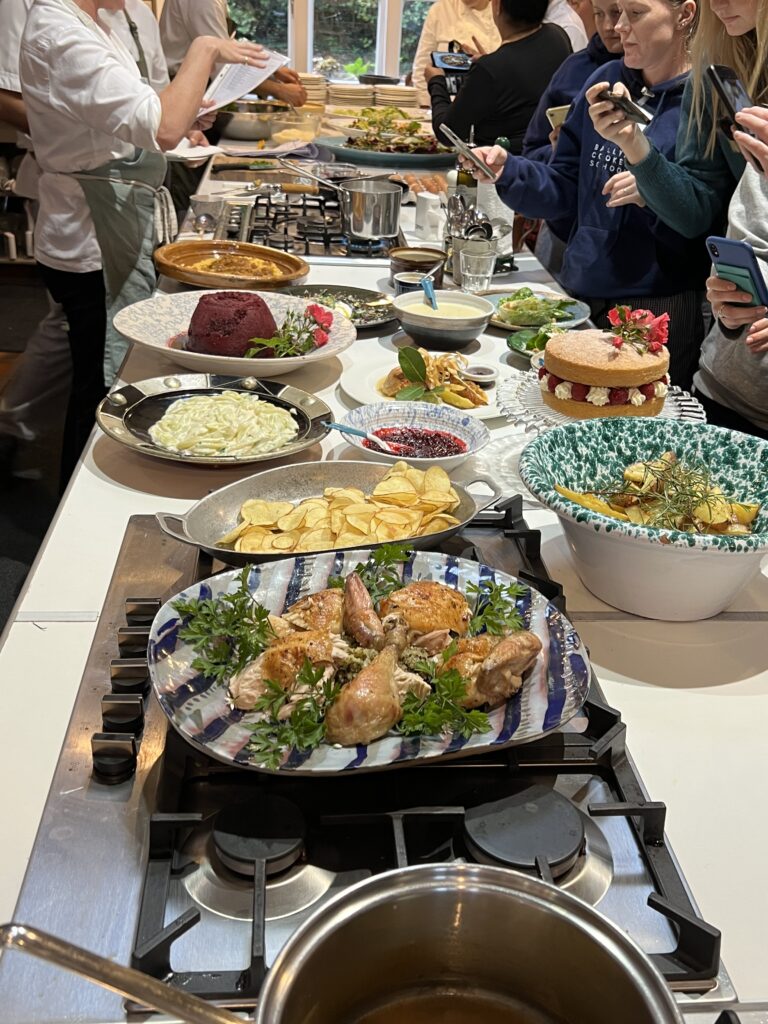
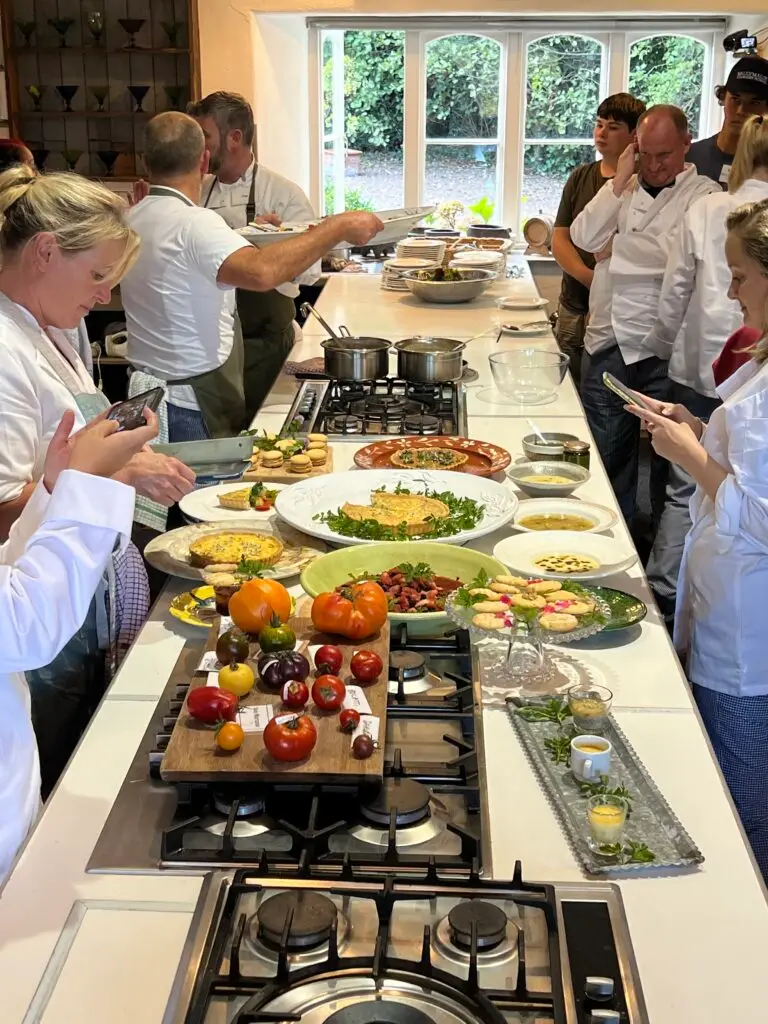
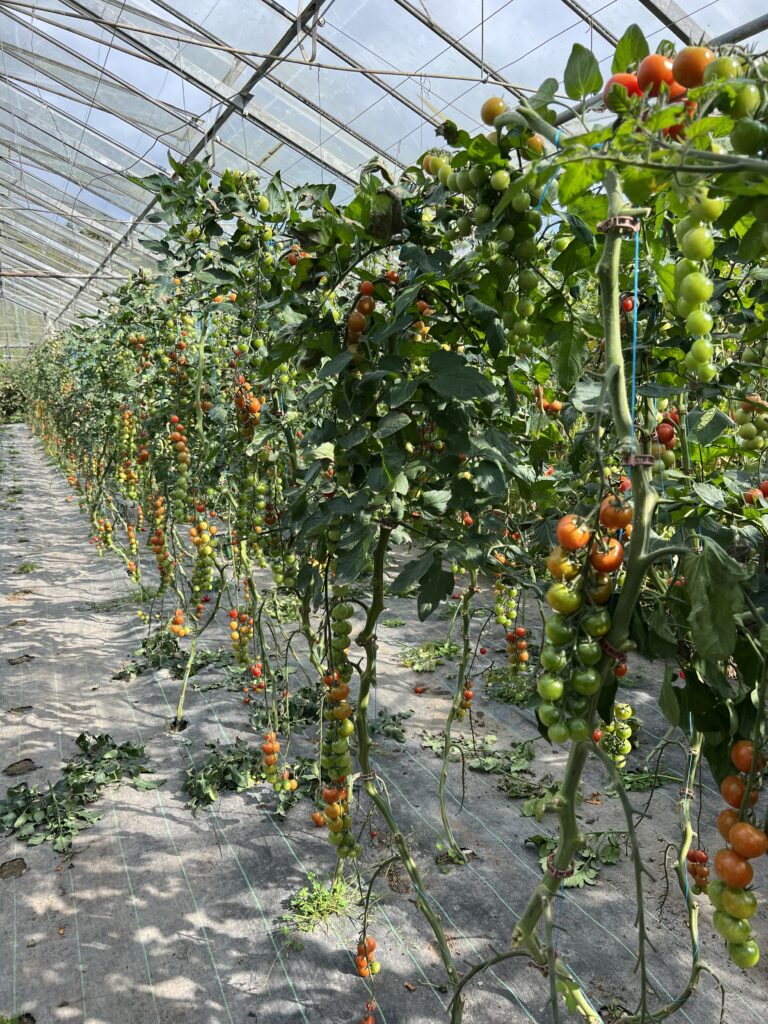
About three years later, I enrolled at Ballymaloe Cookery School in County Cork, Ireland, for their twelve week certificate course. From September to December 2022, I lived and cooked on a 100 acre organic farm by the sea, surrounded by gardens, glasshouses, and dairy cows.
Class at Ballymaloe Cookery School
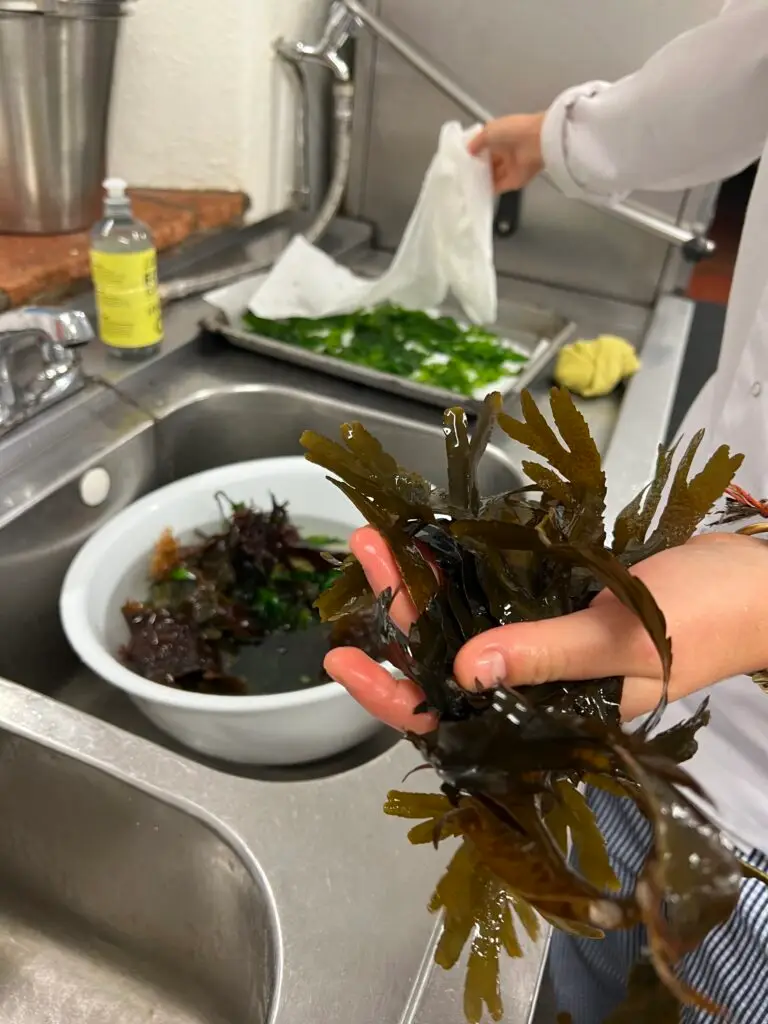
The school, founded in 1983 by Darina Allen and her chef brother Rory O’Connell, has always championed real food, real farms, and traditional Irish cooking long before farm to table became popular. We learned to use kitchen scraps to make a perfect stock, forage for seaweed along the shore, and taste the seasons directly from the garden.
I learned so many things that made me a better cook. How to make a cartouche, for instance, a little circle of parchment laid over garlic and onions so they sweat instead of burn. That one small piece of paper changed my cooking forever. I also learned how to fail properly. My soufflé collapsed spectacularly, and I had to own it. The instructors had the patience of saints. But that too was part of the education. I learned that cooking is about presence, not perfection.
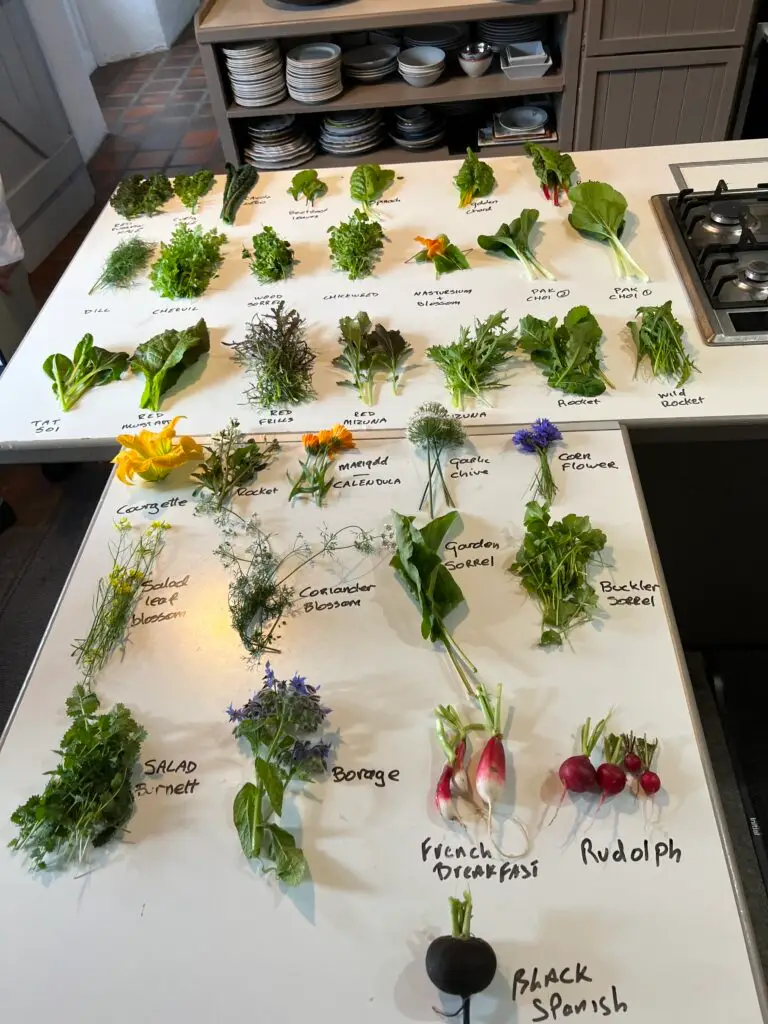
Before Ballymaloe, I often rushed. I multitasked, skimmed recipes, and treated cooking like a side chore. At Ballymaloe, I had to give it my whole focus. Cooking deserved it, and I deserved it. That was the real turning point for me. I began to see the joy in paying attention to every step, to notice the way onions transform slowly in butter, or the way fresh herbs and flowers carry the garden onto the plate.
More to come
This post is a bit of an introduction to Ballymaloe Cookery School in Ireland. I hope to write follow ups, especially about Maria Walsh, who teaches fermentation, as well as some of the recipes I learned that would lend themselves to a cheeseboard. It was only twelve weeks, but I learned more than I could have imagined.
But it wasn’t just about the cooking. It was the people, especially my housemates in Pennyworth Cottage, a group of students from all over the world, living together, laughing late into the evening over endless cups of wine, whiskey and lemsip. (I had a cold much of the time) There was always craic to be had. I made friends I hope to keep for the rest of my life. I was also inspired by my classmates, many of whom were vastly more talented than me.
Sometimes when I tell people I went to Ireland for cookery school, they ask, “What did you learn to cook? Potatoes?” I understand that reaction, because before I went I didn’t know about the revival of Irish and British cooking or Ballymaloe’s role at the heart of it. And yes, we cooked potatoes. Potatoes are awesome.
Ballymaloe did not turn me into a chef. It reminded me that I am a cook, and that is enough. It reminded me that food is culture, care, and connection. And it set me on the path I am on now, building Crumb and Rind, teaching about cheese, and sharing what I love with whoever is at the table.
Our previous post was about the Trethowan Brother’s Gorwydd Caerphilly, so we decided it made sense for our next post to be about Pitchfork Cheddar, a West Country Farmhouse PDO Cheddar, also made by the Trethowans! When the brothers left Wales, where they had already …
I’ve always been drawn to Caerphilly. It’s a Southern Welsh cheese, and family lore says my great-grandparents on my mother’s side were Welsh coal miners before they emigrated to Pennsylvania. Beyond that though, I think Gorwydd Caerphilly maybe the prettiest cheese I’ve ever seen. What …
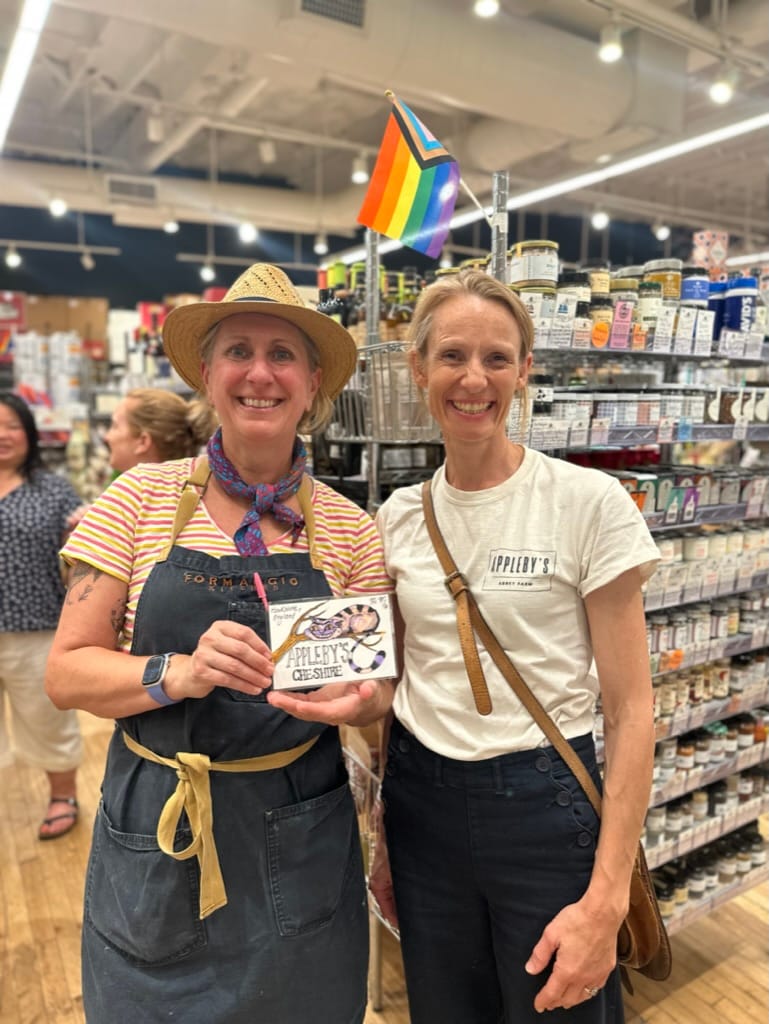
It’s our first cheese post! Here we go! Appleby’s Cheshire comes from Hawkstone Abbey Farm in Shropshire, England. The Appleby family founded the farm in 1952, and now Paul Appleby and his wife Sarah carry on the work, with help from their five children. They craft their farmstead cheese from raw milk, traditional cultures and rennet, and salt from the Cheshire Plains, and aged about 3 months. It’s grassy, complex, and subtle, perfectly paired with a good cider or fresh fruit.
Eglantine Crumb: Farmstead means the cheesemakers use milk from animals living right there on the farm. That ensures freshness, and that the cheesemakers know exactly what’s happening with the pastures and the cows. The Appleby family’s herd is mostly Friesian-cross, and they’ve been working with them to improve soil health, which benefits us all. Aritz and I will have more to say soon about how animals and microbes can help undo the harm caused by industrial farming.
Sarah Appleby and Jennifer Tolliver at Formaggio Kitchen
What is Cheshire
Cheshire is a hard cow’s milk cheese made not only in Cheshire itself, but also in Shropshire, Staffordshire, Warwickshire, and northeastern Wales. It may be the oldest of the British Territorials. You can find cheese from Cheshire mentioned in the Domesday Book of 1086, when villagers paid rent in wheels of it. We can’t be sure it was the same style we know today, but it’s delightful to imagine.
“British Territorials” refers to regional cheeses officially described in the late nineteenth and early twentieth centuries. Cheeses in Britain (and much of Europe) have place names. The Cheshire Plain is known for its lush pasture, as well as its salt and sandstone that give Cheshire its distinctive minerality.
By the 17th and 18th centuries, Cheshire was the most popular cheese in Britain. The Royal Navy purchased only Cheshire to feed their crew for many decades, and Cheshire was the first cheese shipped to London markets on a large scale. Unlike cheesemakers who skimmed cream for butter, Cheshire required whole milk, and the full cream made it tastier. No wonder everyone loves Cheshire!
Aritz Rind: Don’t blame the cheese for empire building! It didn’t ask to be dragged around the world in the service of conquest!
Cheshire Milk & Culture
Cheshire makers traditionally use a mix of morning and evening milk. Morning milk is lower in fat, evening milk higher, so the balance is perfect for cheese. (I’m already looking forward to our post about milking times!) To the warmed milk, Appleby’s adds a traditional starter from Barbers, who have made Cheddar since 1833.
Aritz Rind: Appleby’s does indeed use Barber’s culture, but they push the microbes harder, encouraging a faster acidification than cheddar requires. The rapid pH drop means the milk loses calcium, leaving a weaker curd and more crumbliness.
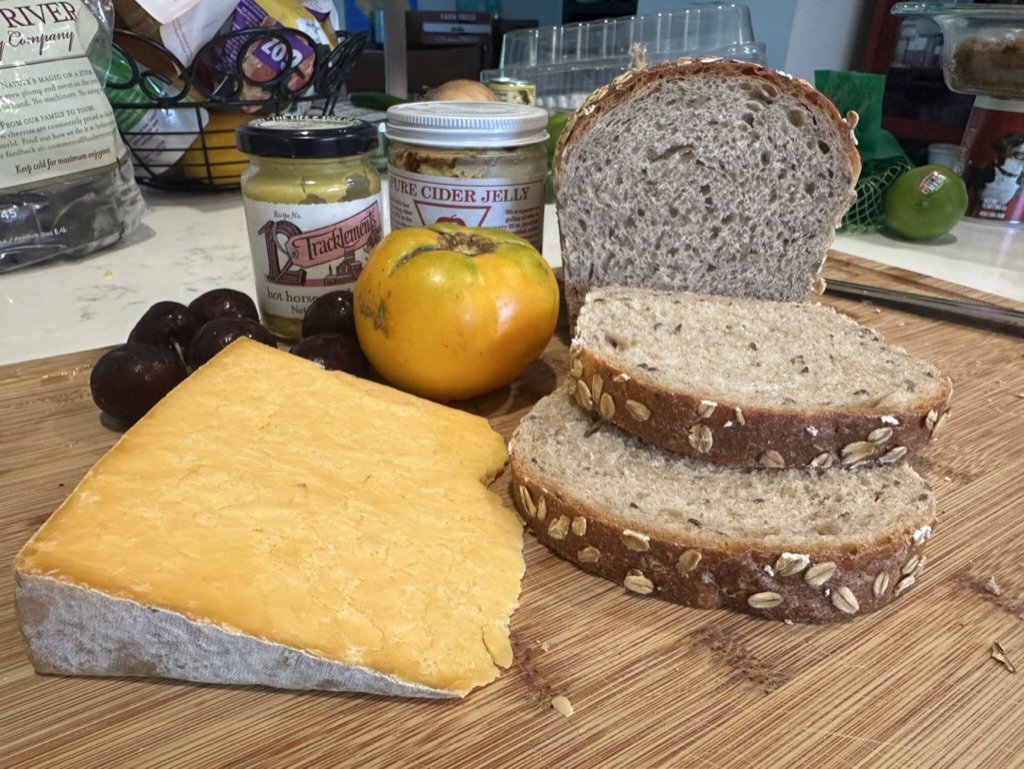
There were marketing reasons to add color (see our earlier post.) Southern English markets preferred their Cheshire dyed with annatto, while Northerners like it plain. Appleby’s makes both, but Neal’s Yard Dairy exports the orange version to the U.S.
Eglantine Crumb: Southerners and their fussing! Forever wanting their Cheshire red and tidy, as though a dash of dye makes a difference. We Northerners know better. We care about flavor, not frippery.
Aritz Rind: On that point, Eglantine, we agree.
I think the orange looks striking on a cheese board.
Cutting the Curd
Eglantine Crumb: Once the curd sets, it’s cut into smaller pieces than cheddar’s. Like many British cheeses, Cheshire is crumbly, which requires expelling plenty of whey. But unlike cheddar, the curds are handled gently.
Aritz Rind: Cheshire retains moisture, which allows it to ripen more quickly. Microbes thrive in moisture, so the extra water lets them get to work faster.
Eglantine Crumb: The cheesemakers salt the curd before hooping (moulding.) In cloth-lined moulds, they press the curds in vintage presses, beautiful old things, that squeeze out the last bit of whey.
The cheesemakers turn out the wheels and age them for about 3 months. At Appleby’s, they mature in barns with timbers dating back to the Napoleonic era, which lend their own flora to the cheese. (It’s also pretty freaking cool.)
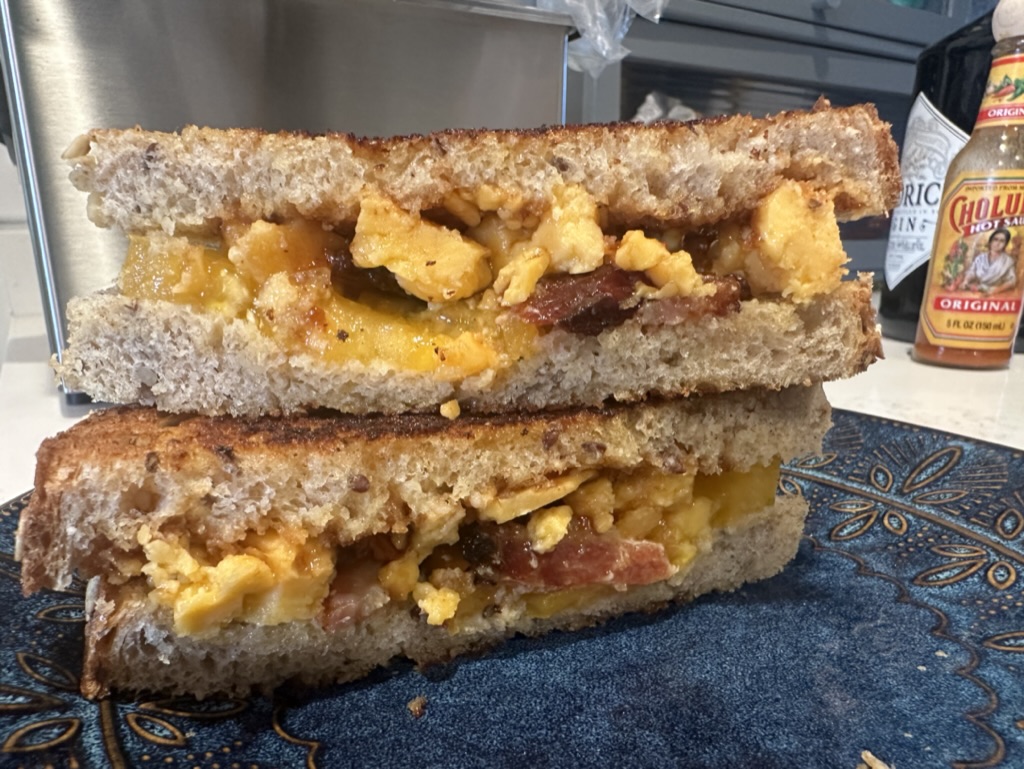
Cheshire and Bacon Sandwich
Go Eat It!
A wheel of Cheshire reflects many influences: the pasture, the milk, the culture, and even the timbers above its head. Appleby’s is a gorgeous, artisanal cheese, and the last-standing, traditional farmstead Cheshire. It is well worth the effort to seek it out. If you need help finding it, please contact us!
We’ll shortly be posting a simple recipe from Jen and Eglantine! Stay tuned!
I’m teaching a British Cheese and Cider class this weekend, so I thought I’d share a little about why I’m so excited about it. While I’m currently the British Cheese Buyer at Formaggio Kitchen, I used to work at a natural cidery, Botanist & Barrel. …