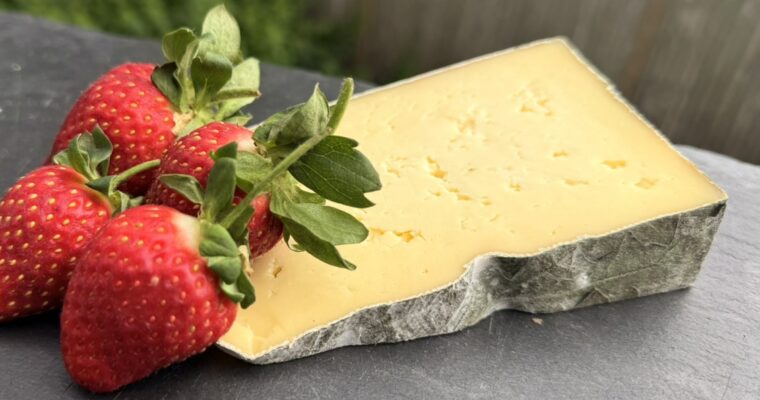
Wrapped in stinging nettles before it matures, Cornish Yarg is one of the most recognizable cheeses in Britain. The nettles encourage a delicate bloomy rind while the interior stays creamy, fresh, and lightly tangy. It’s the kind of cheese I always associate with summer: perfect …
I ran the final miles with my heart hammering against my ribs, but the relief kept me moving. My fur was dull and matted with the dust of the road. My body was so much stronger than when I left, but I was weary. Yesterday, …
Port is a fortified wine, usually sweet and served after dinner. To be perfectly honest, Port was an acquired taste for me. I don’t like sweet beverages, and it always seemed a bit frumpy to me. The fact that it is considered a dessert wine did not intrigue me, it put me off. Dessert, with the exception of ice cream, is one course I don’t mind skipping.
Two things happened to change my mind. First was when I was in a Gaeltacht pub in County Galway, I found myself too full of food and Guinness, and rather uncomfortable. One of the barkeeps suggested I drink a snifter of brandy to calm my tummy. At first I said no, I couldn’t manage it, and I really did not like sweet drinks. But he cheerfully insisted. I’m so glad he did. The brandy was delightful. I almost immediately felt better and was able to continue with the craic. It got me over the idea that I can’t stomach sweet booze, and in fact, it totally has its place.
Eglantine: They used to call Port medicinal, you know. Good for the digestion, good for the spirits. I wouldn’t go as far as to say it cures all ills, but it certainly improves most of them!
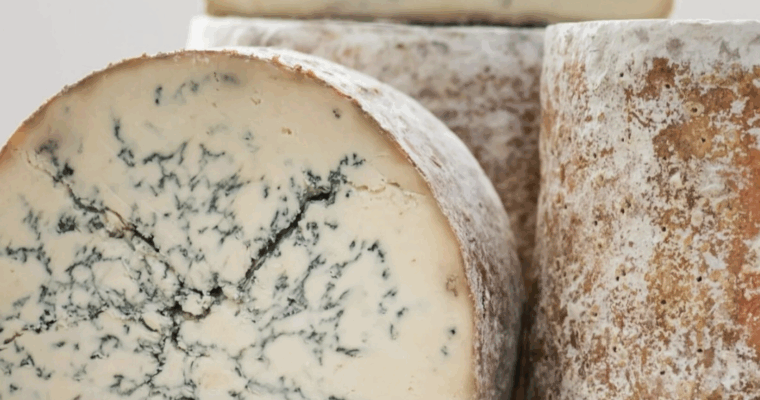
The second thing that changed my mind was becoming the British Cheese buyer at Formaggio Kitchen, and really wanted to delve deeper into the cheese I was responsible for, including Stilton. I’ve always enjoyed Stilton and I knew Port and Stilton were such a classic pairing. I had to try it. And I love it together!
(Secret third thing- The cute tiny Port glasses)
Douro Valley
What Is Port?
The name is protected, so true Port can only come from Portugal’s Douro Valley. The Douro was demarcated in 1756, so it’s the third oldest protected wine region. Port begins as wine from a blend of Portuguese grapes. There are 40 grapes that are allowed to be used, but the most common are Touriga Nacional, Touriga Franca, Tinta Roriz, Tinta Barroca, Tinta Cão, and Tinta Amarela.
“Fortified” means that distilled spirit is added to the wine. The added alcohol kills the yeast and stops fermentation, leaving some natural sugar. That is why wine isn’t above 15% ABV, the yeast just can’t keep going. That is also why Port is both strong booze-wise and sweet. It’s served in small glasses because of its higher alcohol content, and it is much too sweet to gulp.
Aritz: Mostly correct. The yeast is not killed by the alcohol so much as stunned. Functionally the same. Etsui!
Port History
During the War of the Spanish Succession, England could not import French wine and turned to Portugal instead. The story goes that two British brothers and wine importers added grape spirit (aguardente) before fermentation finished, creating a sweet, stable wine that could survive the sea voyage home.
Many Port houses today, such as Graham’s and Taylor’s, still have British ownership or management. Though Port comes from the Douro in Portugal, it has long been bound up with the British dining table. By the eighteenth and nineteenth centuries, Britain was Port’s main export market. It became part of club culture and country-house dinners. Even now, close to one fifth of all premium Port is sold in the UK.
Port Rituals
In Britain, Port belongs to the cheese course, which comes after dessert. On the Continent, cheese is served before dessert, more a part of dinner. The British cheese course was meant to be slow and social, eaten while playing cards or talking after dinner.
The Port decanter is passed to the left, and you’re not supposed to let it stop. If it does, someone may ask, “Do you know the Bishop of Norwich?” The story goes that Henry Bathurst, Bishop of Norwich from 1805 to 1837, often fell asleep at dinner and forgot to pass the Port.
Port was also thought of as medicinal and was a favorite drink of older, respectable ladies. It does seem like something older folk would drink. I always picture Colonel Pickering and Henry Higgins having a glass to calm their nerves before taking Eliza Doolittle to the ball.
Aritz: Heh, I enjoy a glass of Port whilst pondering the dark shadow of the British Empire! Tchin Tchin!
Types of Port
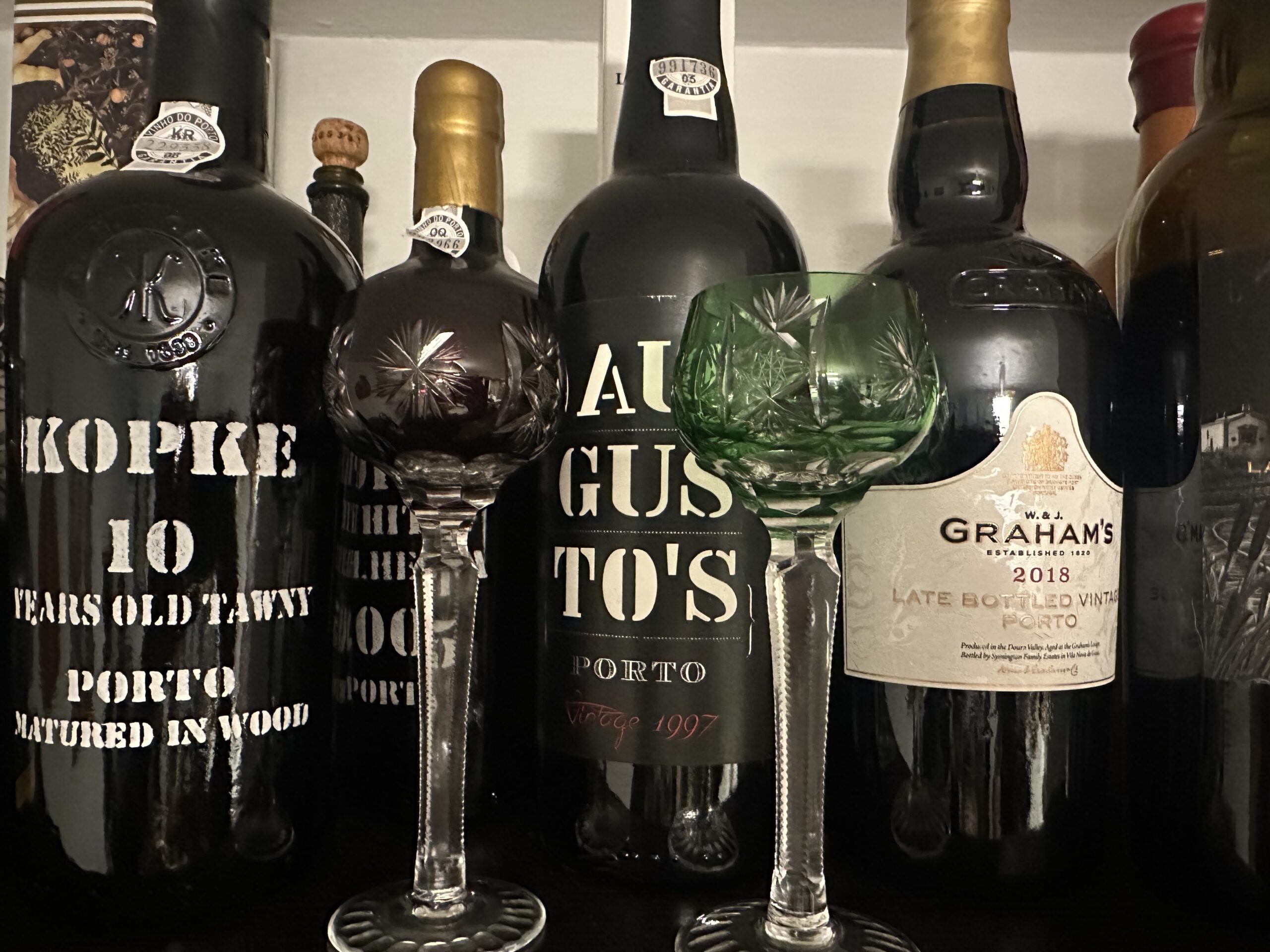
Ruby Port is aged only a short time in large tanks deprived of oxygen, which keeps its color deep red and its flavor bright. It’s fresh, red-fruited, and youthful, with notes of cherry or plum. The Ruby family includes Ruby and Late Bottled Vintage (LBV). They need to be drunk within a couple months after opening. It’s the most fruit-forward style and pairs well with blue cheese, chocolate, or simply on its own after dinner.
Tawny Port spends years in small oak barrels, where slow exposure to oxygen changes its color to amber-brown and gives it a mellow, nutty character. You could almost call it rusty Port! It tastes of caramel, dried fruit, toffee, and warm spice. I think it tastes like raisins, which is not very creative of me. Tawny Ports labeled by average age of the blend, (10, 20, 30, or even 40 years!) and show more depth as they get older. These are the bottles you can keep around forever. Serve Tawny slightly cool, with nuts, caramel desserts, or a creamy wedge of Stilton.
The Port and Stilton Custom
Stilton and Port separately became fashionable during the Seventeenth and Eighteenth centuries in Britain, but they’ve stayed linked ever since. A lot of our Christmas imagery comes from that time, Georgian and Victorian England: Charles Dickens, Victorian cards, country squires in smoky drawing rooms, ladies playing whist with a Christmas tree in the background, drinking Port and eating Stilton. So I encourage you to do the same! If you read my previous post about Stilton, you know Stilton sales in Britain have plummeted, possibly because people aren’t holding on to the Christmas traditions.
You can find videos online of cheesemongers poking holes into a wheel of Stilton and placing an upended bottle of Port in the center. References to Port-soaked Stilton appear in Georgian and Victorian accounts, but it was likely prepared ahead of time, not done at the table. After watching Christmas cakes soaking in whiskey at Ballymaloe, I suspect households did the same with Stilton, adding the Port days before serving.
Why not give it a try this year? Or if it’s something your family used to eat, why not bring it back?
Why the Pairing Works
Stilton and Port work together because each balances what the other has in abundance. The salt in Stilton sharpens Port’s fruit, while Port’s sweetness softens the cheese’s bite. Stilton’s richness coats your tongue, and the alcohol in Port cuts cleanly through it, keeping each bite and sip lively. The blue mold gives Stilton deep umami flavors, which meet the gentle acidity in Port and keep the pairing from feeling heavy.
They also share a similar feel and season. Stilton’s texture is dense and creamy, and Port’s is silky and viscous, so they meet in the middle. Both are rich, slow foods that feel right in cold weather, made for the same candlelit, fire-warmed winter evenings.
The combination is so good it hardly needs anything else. Maybe a few walnuts for texture, but otherwise just cheese and wine.
Now Go Try Some Port!
That’s plenty of talk about Port. Now I hope you’ll try it with some Stilton and judge for yourself. Eglantine says it will improve your spirits, and Aritz says it might even improve your soul. I’ll settle for it making a cold night feel a bit warmer.
It’s our first post in a while that’s actually about cheese. It’s November and I’ve just finished teaching class on Stilton and Port, the perfect duo for these cold nights. They’re a classic pairing, and I thought I’d write about them together. What I realized, …
Our previous post was about the Trethowan Brother’s Gorwydd Caerphilly, so we decided it made sense for our next post to be about Pitchfork Cheddar, a West Country Farmhouse PDO Cheddar, also made by the Trethowans! When the brothers left Wales, where they had already …
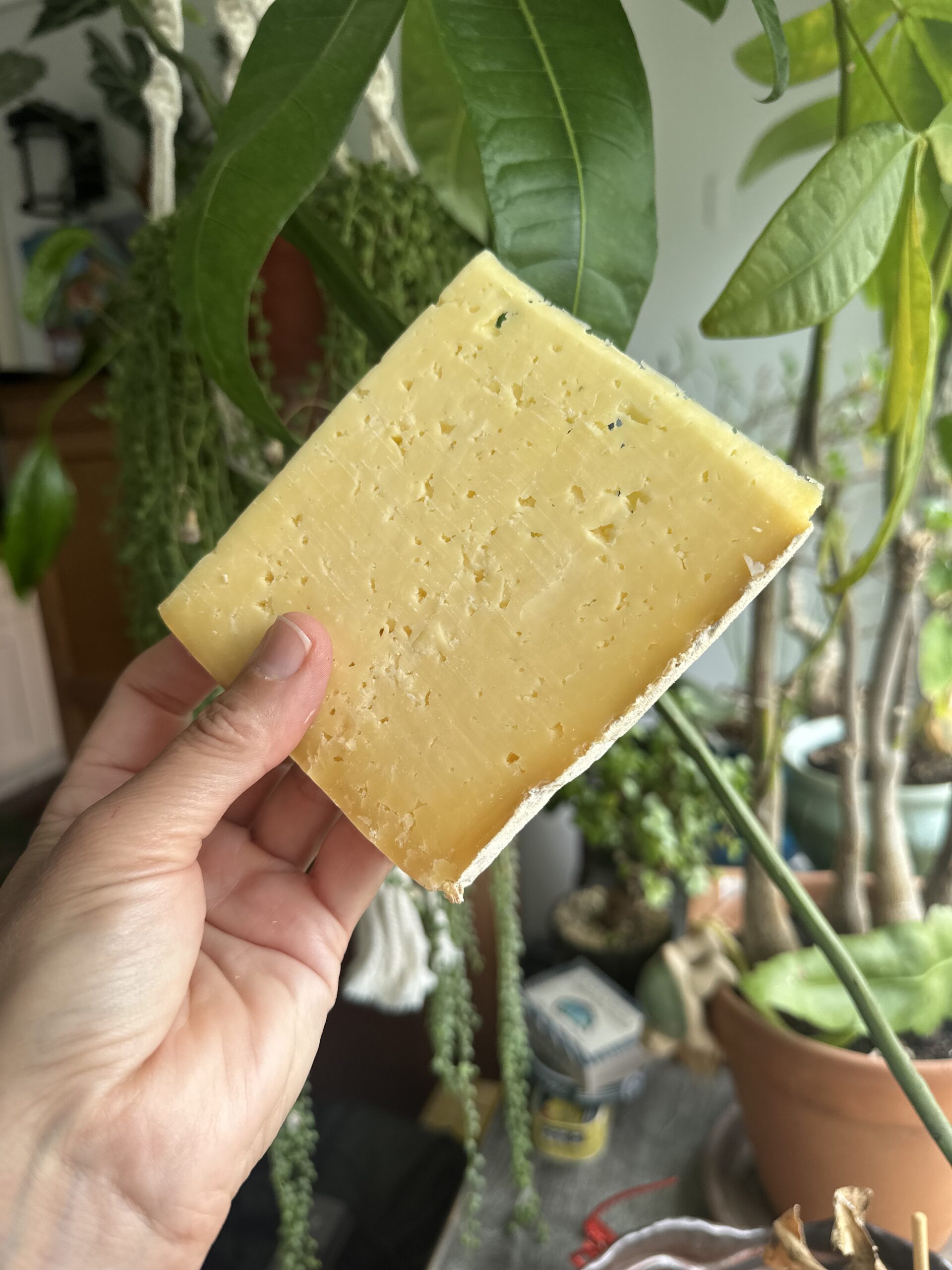
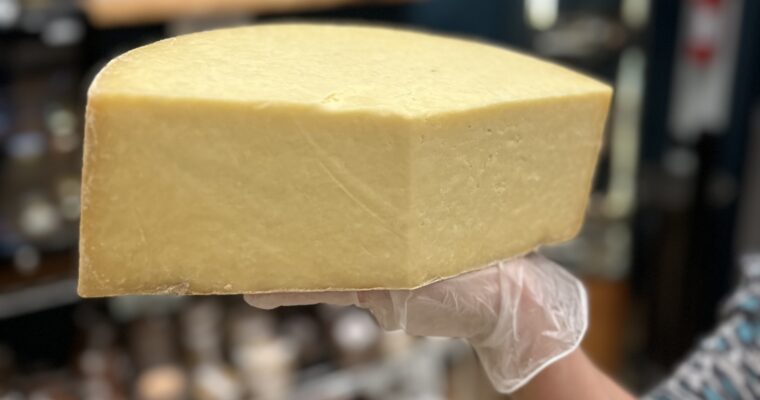
Yoredale from Curlew Dairy in the Yorkshire Dales, is real farmhouse Wensleydale, brought back from extinction. For many people, Wensleydale means the industrial blocks in the supermarket, studded with cranberries at Christmas. Yoredale shows what the cheese was meant to be. It’s one of my favorites, and I hope you have the chance to try it!
The History of Wensleydale in Yorkshire
Wensleydale was born in Yorkshire when French Cistercian monks arrived with their cheese-making skills. Later, when Henry VIII’s minister Thomas Cromwell oversaw the Dissolution in the 1530’s, stripping the abbeys of their land and wealth, the recipe was passed along to farmers’ wives. (I’m on my third book about Thomas Cromwell this year, so I just had to throw that in.)
Wallace and Gromit on The Moon
Cheese, Gromit!
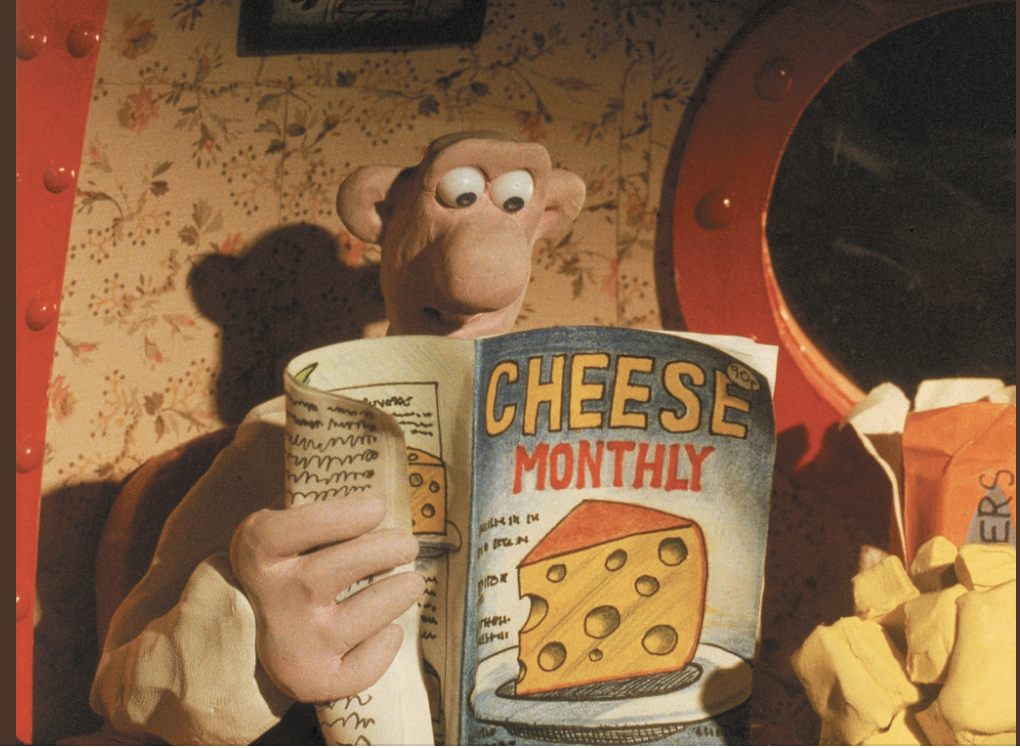
By the late 20th century, traditional farmhouse Wensleydale nearly disappeared. We talked about the effects of Industrialization in our post on Kirkham’s Lancashire. Production had long moved into factories, and the old ways of making it on small farms were gone. The last creamery in Hawes was even set to close in the 1990s. What saved it, oddly enough, was Wallace and Gromit! Their love of Wensleydale in the films sent demand soaring, giving Wensleydale Creamery a lifeline and sparking interest in real Yorkshire cheese again. That surge of interest set the stage for Sam and Ben Spence at Curlew Dairy to help bring real farmhouse Wensleydale back to life.
Making Yoredale Wensleydale
Eglantine: I grew up in Yorkshire, so I’ll tell you straight, Wensleydale belongs to this place. For centuries in the Dales, farmers’ wives made Wensleydale, using up the surplus milk when the cows were flush in summer. The cheese is best young and fresh, often eaten with bread and ale at the table, or taken down to the markets. It was never meant to be fancy. It was everyday cheese, proper food for working people, and part of the rhythm of the farm.
That is what Curlew Dairy brought back with Yoredale. They use milk from Holstein and Ayrshire cows, well suited to cheesemaking and to the rough ground of the Dales. The herd grazes on high pastures for much of the year, feeding on grass and wildflowers that give the milk its clean, lactic character. In winter, they eat gorgeous haylage grown on the farm, giving the milk an even sweeter taste. They use the milk the same day, raw and full of its natural flora, to make Yoredale in their dairy in North Yorkshire.
Wallace Reading Cheese Monthly
Curd Size
Eglantine: The trick with Wensleydale is in the curd. We cut it bigger and stir it less, so it keeps hold of more whey, and we press it only lightly. That is what makes the cheese moist and crumbly instead of hard and dry. If you press it too much or cut the curd too fine, you end up with something closer to Cheddar. Done right, Wensleydale stays fresh, clean, and lactic with that touch of honey sweetness. It is honest cheese, proper to the Dales.
Aritz: Yoredale Wensleydale ages three to four months. Because the curds are large and hold more whey, the cheese cannot be kept for long aging like Cheddar or Comté. I have nothing more to add, Eglantine has done a beautiful job explaining this cheese.
This is a good moment to notice how curd size affects a cheese. Large curds hold more whey, so the cheese stays juicier and fresher, with a crumbly but moist bite. Small curds, cut fine and stirred longer, drain more thoroughly and set the stage for firm, long-aged cheeses like Cheddar, Parmigiano Reggiano, or Gouda. The make begins with the curd, and the curd decides much of the cheese. If you’re not sure what curd is, stay tuned for an explanation!
Flavor and Pairing
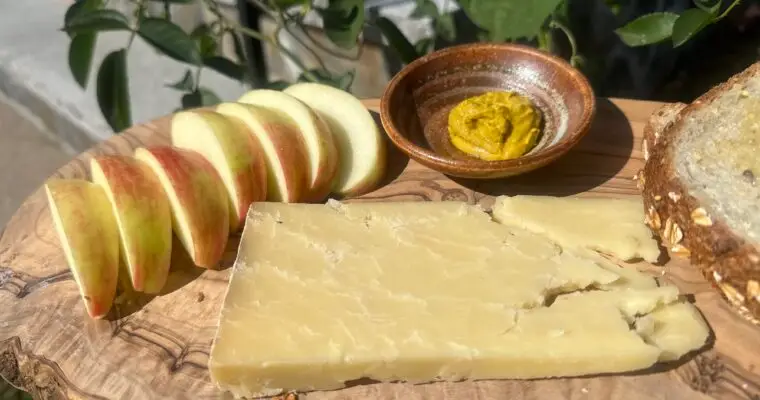
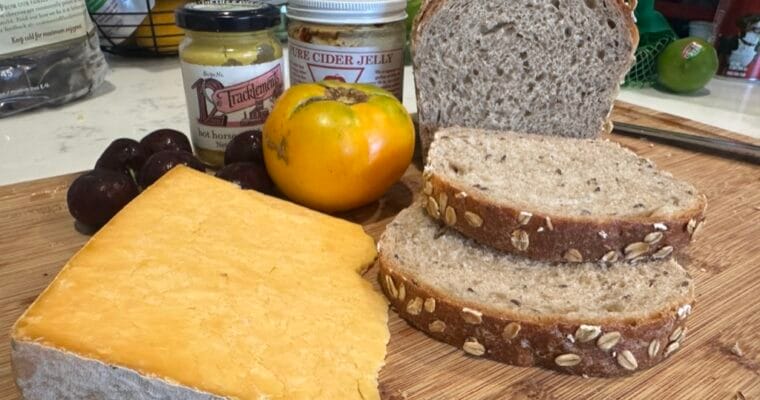
The flavor of Yoredale is a lovely balance of freshness and depth. It has a clean lactic tang, hints of grass and herbs, and a gentle sweetness. It pairs beautifully with crisp apples, ripe pears, and fresh figs. A glass of cider or a light ale will echo its bright acidity, while a floral white wine will bring out its delicate sweetness.
There are two other farmhouse Wensleydales you can find at Neal’s Yard Dairy, but Yoredale is the only one they bring over to the United States. Please comment if you’ve tried the others!
Kirkham’s Lancashire is an English Territorial, one of the Crumblies, and one of my favorites. It’s buttery, tangy, and as one of my colleagues said, “fluffy.” However, when people see Kirkham’s Lancashire on the counter, they figure it’s another cheddar. With this post, we’re hoping …
It’s our first cheese post! Here we go! Appleby’s Cheshire comes from Hawkstone Abbey Farm in Shropshire, England. The Appleby family founded the farm in 1952, and now Paul Appleby and his wife Sarah carry on the work, with help from their five children. They …
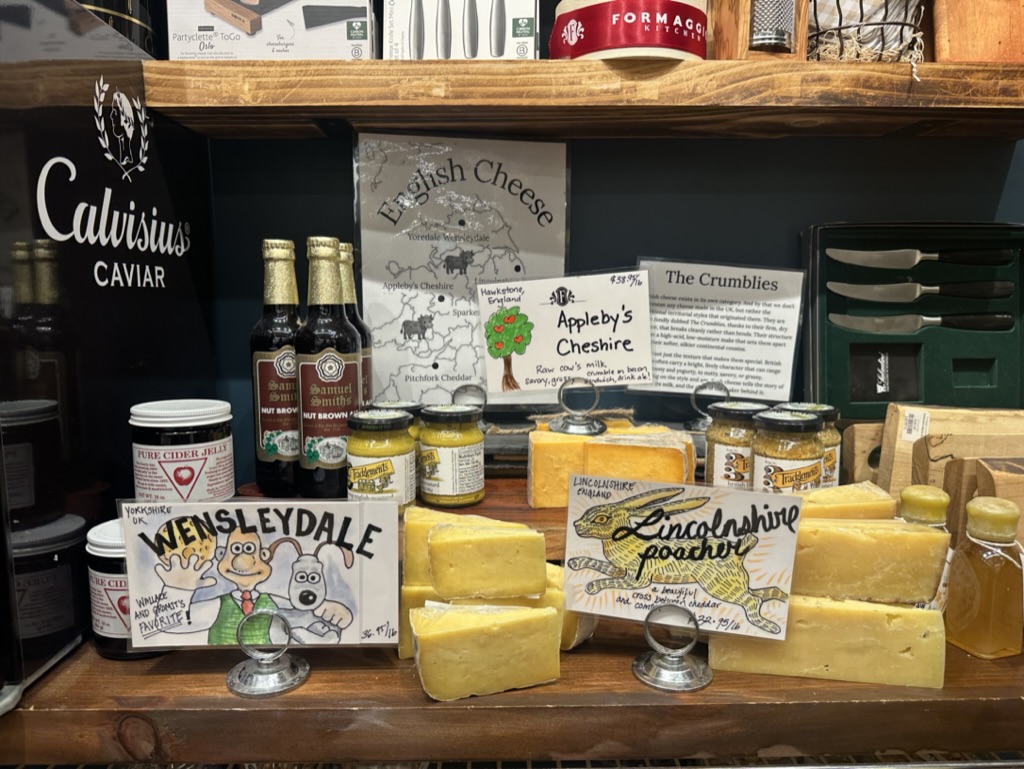
British cheese exists in its own category. And by that we don’t just mean any cheese made in the UK, but rather the traditional territorial styles that originated there. They are often fondly dubbed The Crumblies, (specifically Cheshire, Caerphilly, Wensleydale, and Lancashire,) thanks to their firm, friable texture, that breaks cleanly rather than bends. Their structure is from a high-acid make that sets them apart from their silkier continental cousins.
But it’s not just the texture that makes them special. British cheeses often carry a bright, lively character that can range from lemony and yogurty, to nutty, savory, or grassy, depending on the style and age. Each cheese tells the story of its place, its milk, and the craft of the maker behind it.
I love crumbly British cheese for snacking, for melting in a cheese toastie, or including on a well-rounded cheese board. They melt well because of their loose structure, but you’ll notice they don’t melt like a stretchy mozzarella. Their melt is a bit more creamy than stringy. A sandwich with a bit of bacon, caramelized onions, or strong English mustard, and you can’t go wrong. Or make a Welsh Rarebit with some dark ale and Worcestershire sauce.
British Cheese Today
In the Twentieth Century, wartime rationing and a postwar preference for liquid milk nearly extinguished British farmhouse cheesemaking. While Cheddar became a global commodity (which we’ll discuss at length in another post,) other territorial cheeses faded into obscurity. Many of these traditional cheeses survived only as industrial shadows of their former selves. But thanks to a revival led by dedicated farmers, mongers, and affineurs, like Neal’s Yard Dairy, true British cheese is once again thriving. We’re delighted to offer a selection that honors this legacy. They’re bright, crumbly, and unmistakably British.
In subsequent posts, we’ll talk more about specific British Territorials. We’ll start with Cheshire, specifically, Appleby’s Cheshire. I had the honor of meeting Sarah Appleby when she came to visit Formaggio Kitchen with folks from Neal’s Yard Dairy in June of 2025. Cheshire is one of the oldest and popular cheeses in the British Isles, so it’s the perfect place to start.
This is a love letter to Neal’s Yard Dairy. In January 2022, still in the grip of COVID-era precautions, I visited the Arches at Neal’s Yard Dairy in Bermondsey, London. Happily for me, my boss at Boxcarr Handmade Cheese, Sam Genke, introduced me to David …