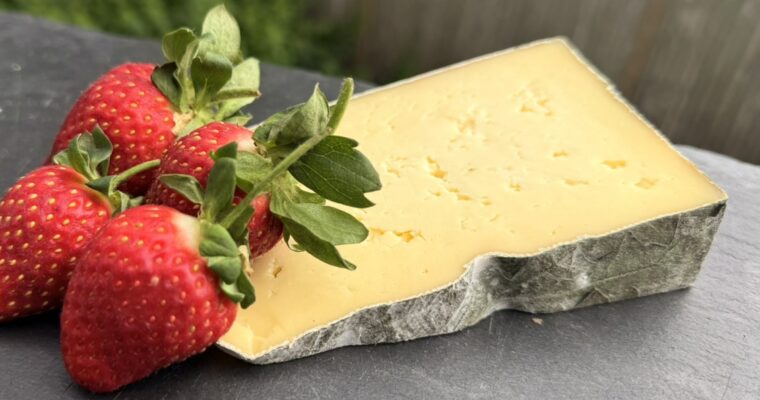
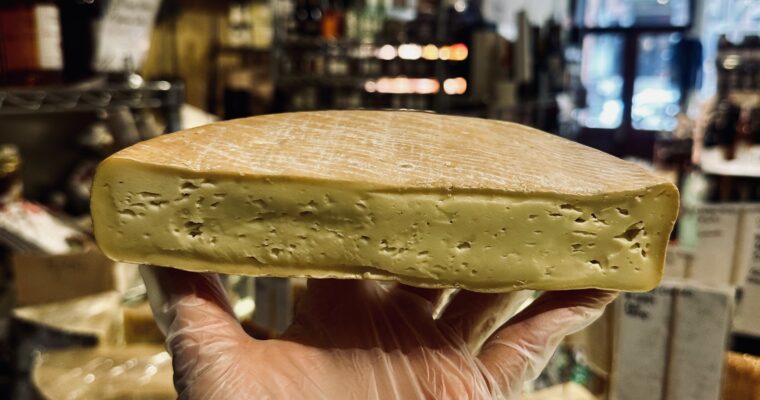
Wrapped in stinging nettles before it matures, Cornish Yarg is one of the most recognizable cheeses in Britain. The nettles encourage a delicate bloomy rind while the interior stays creamy, fresh, and lightly tangy. It’s the kind of cheese I always associate with summer: perfect …
The Big Three: A Rebirth in West Cork In the 1970s, a quiet revolution began in the counterculture kitchens of West Cork, Ireland. It was led by Veronica Steele, the pioneer who created Milleens and gave rise to the Irish farmhouse cheese industry. Soon after, …
Eglantine Crumb’s Field Notes Waxing Rind Moon, Snow Deepening Chalet above Martigny, near La Fouly Canton of Valais, Switzerland
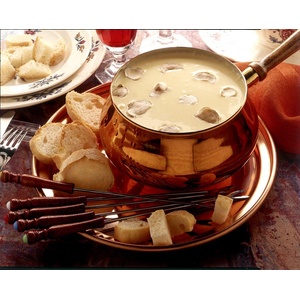
On my last evening with Aritz in Aosta, we had what he called a simple meal, though it felt quite grand to me. We were on the banks of the Dora Baltea, a tributary of the Po River. The cold snowmelt of the river was bracing and wild, so I was glad to have a hot meal. Our first course was fonduta alla valdostana, an Italian fondue made with Fontina and not a drop of wine. Before they make the Fonduta in Aosta, they soak Fontina in milk, sometimes overnight. So melty and creamy! I must write down the recipe before I forget!
On my way out of the Valley of Aosta, I walked under the Arch of Augustus. The words of Stendhal came to mind along the way:
I was so happy in contemplating these beautiful landscapes and the triumphal arch of Aosta that I had but one wish to make: that this life would last forever.
The reality that this journey home might last indefinitely is a little worrying, but I am enjoying the food and adventures so much, a part of me does wish it wouldn’t end.
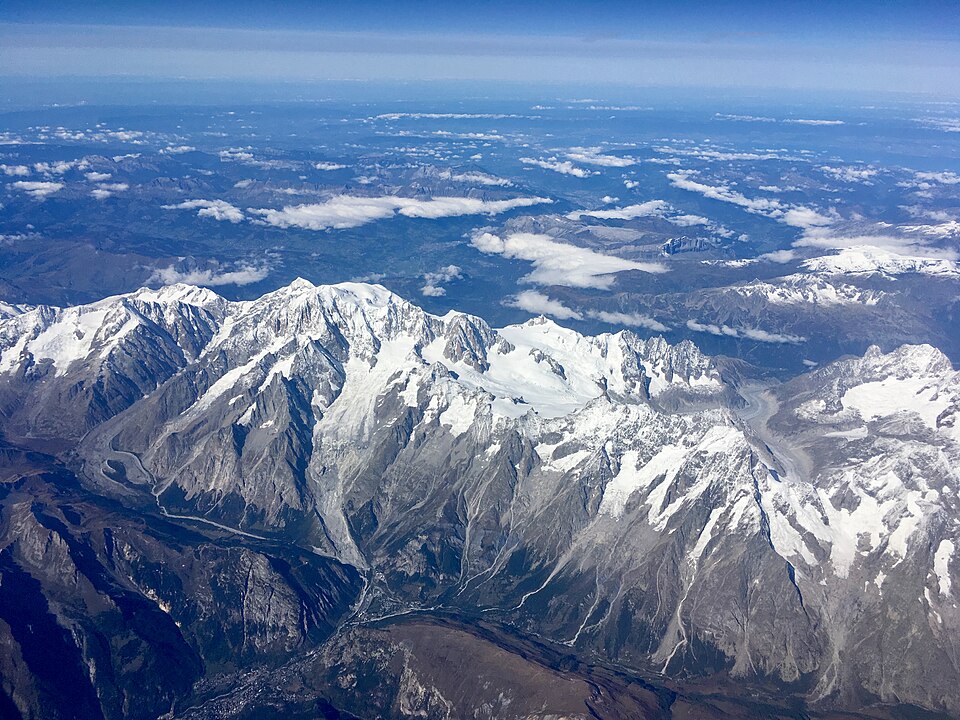
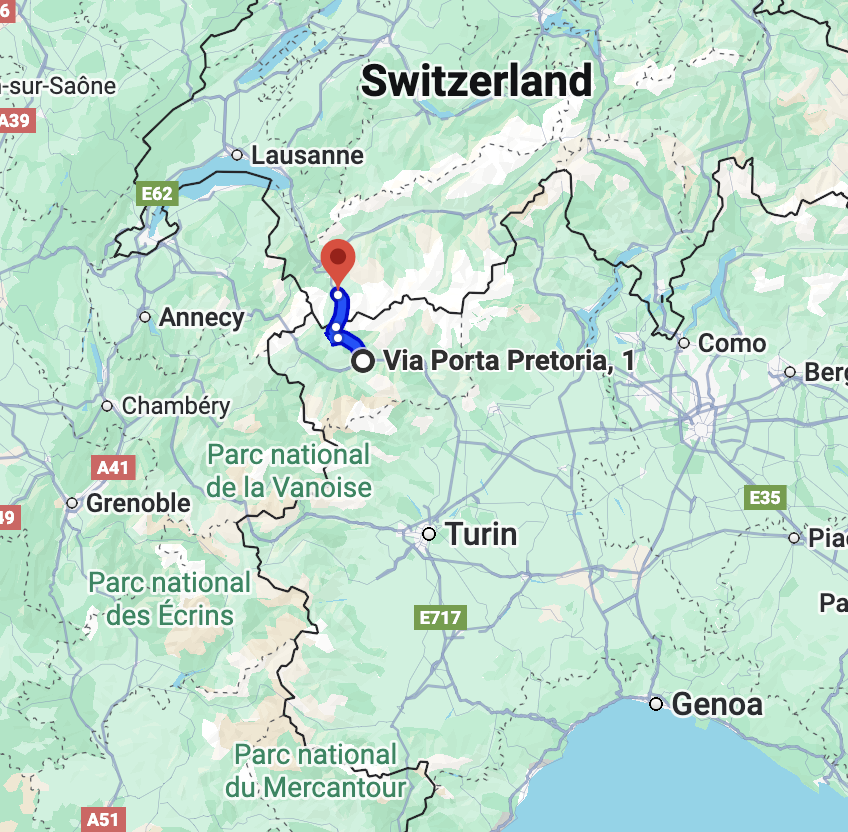
Mont Blanc, or Monte Bianco depending on who you ask, was in the distance as I headed for the Great St. Bernard Pass. It seems I am walking the Via Francigena, from Puglia back to England. After my adventures through Italy, I do feel more of a cheese crusader than a holy one! The pilgrimage is best done in the summer, and I quickly realized my mistake. I was heading north through the Pennine Alps in the winter! It was a bit cold, of course, but we’re made from tougher stuff in Yorkshire. I knew I could manage. But the snow was another matter. My feet kept sinking in it.
And this is one of my prouder moments, I must say. Outside the Great St. Bernard Hospice at the top of the pass, I found some spruce bark and attached it to my feet with the bit of Fontina I’d tucked in my pocket. If that’s not ingenuity, I don’t know what is. Instant snowshoes!
I trudged along, following hand-painted signs toward Martigny in the Canton of Valais, Switzerland. The moon lit the way, the nights sometimes brighter than the afternoons of long mountain shadows. I sensed someone following me, but it felt like a kind soul, so I trusted my instincts and forged ahead, whistling a tune to keep my spirits up.
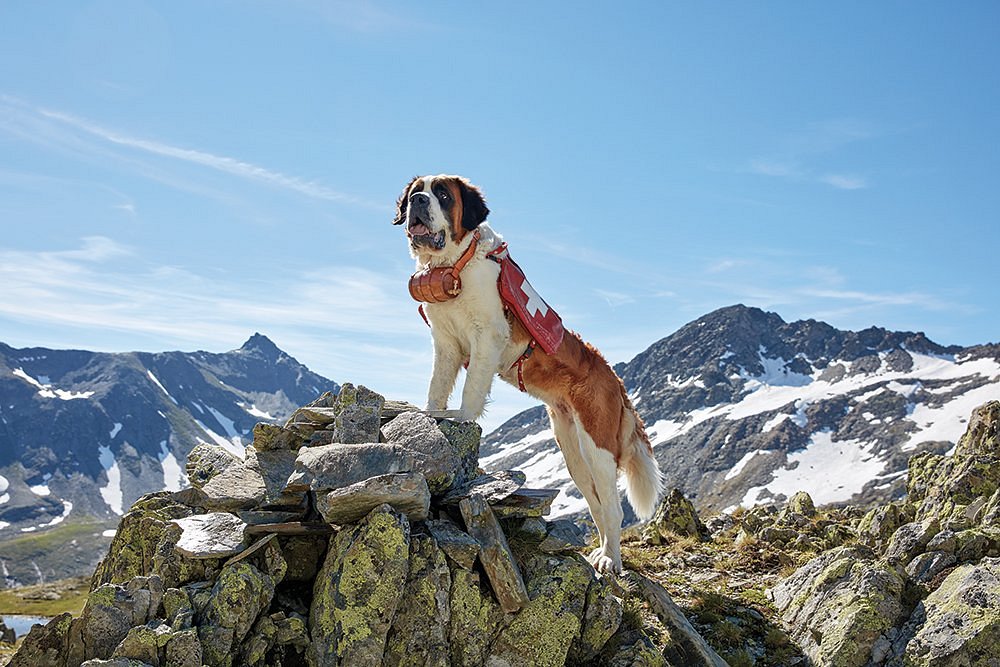
Finally, the snow came down so heavily I had to surrender. Just as I was pondering shelter, a guide from the monastery emerged from the woods. The St. Bernard told me he’d followed me as a favor to a friend, and had found me easily because of the smell of Fontina on my feet. I had an idea who this “friend” was, Aritz being entirely capable of communicating over distances thanks to his mycelium network.
The Dog said not to mind the howling wind, that it was simply the Wild Hunt passing through, and he would keep me safe until I found shelter. He was very kind, and said it was his mission in life to help travelers through the treacherous pass. I asked if he had a brandy barrel under his chin, but he was quite serious about his job and pretended not to hear me.
He guided me to a quiet chalet, still aglow from a party earlier in the evening. The Dog said the chalet’s resident Cat was friendly enough, and I was a lot safer with her than I was outside with the Owls! The Cat lived on fondue and raclette, and had no need to hunt. In fact, she was on good terms with the Mice under the floorboards! The Dog pushed the door open for me and followed me in.
Imagine my surprise to find Aritz already there, a glass of Fendant in hand, completely in his cups.
Me: “Aritz Rind! You Basque rascal! How on earth did you get here before me?” Aritz: “Barbegazi! (hic) I could hear you whistling in the wind. (hic) Have you come to warn us of an avalanche?”
I didn’t know who Barbegazi was, but I did see the icicles hanging from my chin like a beard, and the spruce bark Fontina’d to my feet. I told him it was me, Eglantine Crumb, on my way home to England. He laughed and said I was an Alpine snow goblin! He’d been at the mushrooms again, I was sure.
He wasn’t alone. Three Swiss Mice were making merry with him: Marcel, Gaspard, and Colette. Typical of the Swiss, they immediately commented on the smell from my feet. Marcel said Fontina from Aosta was not as good as Raclette from Valais. Colette said foot glue was the best use for it. Typical European cheese chauvinists! No different than the Italians. They all think their region is the best. And to think we were only 50 kilometres from where Aritz and I had our last Italian meal!
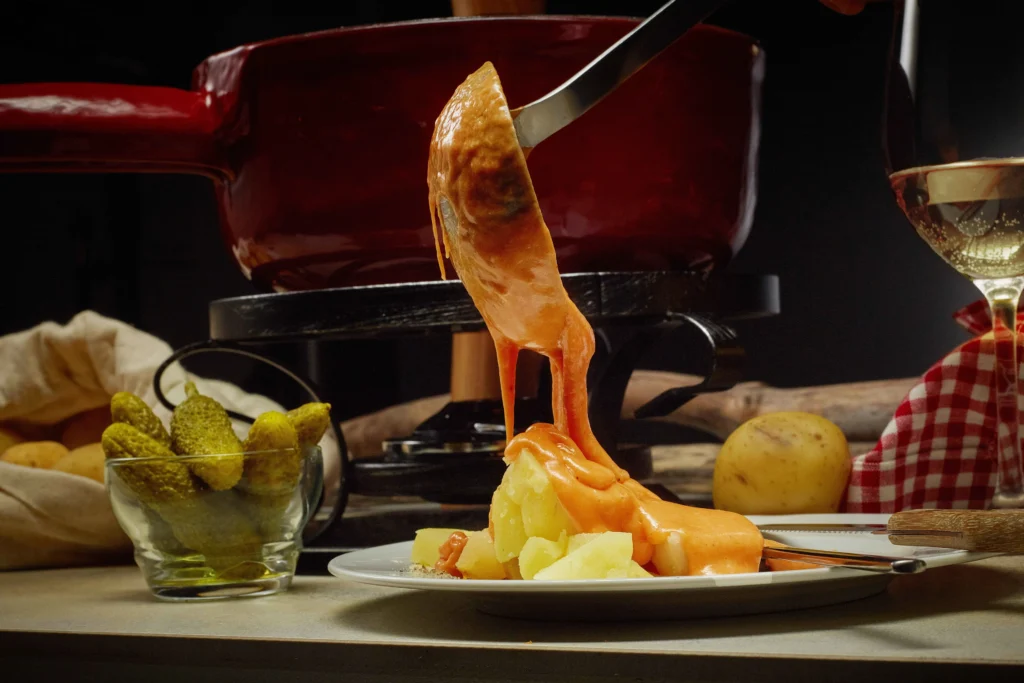
I looked around and saw a few caquelons half filled with unfamiliar sort of fondue. It was almost pink! Fondue valaisanne à la tomate, made with their local Raclette and tomato. They like to pour the fondue instead of dip. There were bits of apple, cornichon, pickled onions, viande séchée du Valais (local air-dried beef,) and pain de seigle (rye bread) They said Fondue was a special occasion food, that they more often ate the Raclette scraped right off the wheel. It was a cheerful sight after the long, hungry trek through the snow! And I had to admit, I was ready for a change from Fontina, lovely though it is. Anything would lose its sparkle after it’s been stuck to your feet for days on end.
I settled in with a cup of black tea and enjoyed a bit of fondue. The Swiss mice approved; they said the tannins in the tea helped break up the richness, and might be easier on my tummy than wine. I didn’t want any wine until I’d spotted the Cat, I needed to keep my wits about me. Still on alert, I warmed my feet by the fire and let the Fontina melt right off.
Aritz eventually recognized me. Took him long enough!
Aritz: “Hannibal Crumb! Come over the Alps with your elephant?” Gaspard: “No, Monsieur Rind, she came over with the Dog.” Marcel: “Rind is so small, he thinks the Dog is an elephant.” Colette: “It does not matter. Hannibal did not come through the Great St. Bernard Pass. He crossed via the Clapier Pass. Polybius wrote it.” Marcel: “Polybius was a dramatist. Livy said Montgenèvre.”
At that moment, the Cat emerged, huge and very sleepy. She told the Mice to be quiet, and that Aritz had been making a joke. She looked at me and nodded to let me know I was safe. So I was ready for the glass of Fendant, a beloved white wine from Valais. It was crisp, with a bit of fruitiness and minerality that worked so well with the cheese sauce. The Cat who was lapping up a bit of Fendant as well, said it was made from the Chasselas grape, and was possibly named for the grape’s tendency to split, or fendre.
The Cat welcomed me and said Valais was no stranger to travelers, perched as it is on the crossroads of the Alps. She asked about my travels. I told her I’d started far to the south and simply kept heading north. I made it clear I wanted to get home, but I was having such a good time finding new cheeses and recipes, that I didn’t mind a detour here and there.
Aritz went on again about Elephants and how I, being a Mouse, would have frightened them all. He’s a dear friend, but at times far too pleased with himself. I asked the Cat where she thought I should go next, and she suggested a little further west, to check out Gruyère. Aritz promised he’d make sure I met friendly sorts along the way.
My head is sinking into my pillow. I reckon I’ll stay a bit in Valais. The snow has closed the pass, and the Mice want me to try Raclette de Valais scraped from the wheel, and Aritz knows of a local cheesemaker we can investigate together. I’m in for a cozy night now, I’ll report back soon!
Eglantine Crumb, is a Yorkshire Cheesemaker who happens to be a Mouse. Not long ago, she found herself trapped in a shipping container was transported far from home. This is one of her journal entries.
Tinned fish, called conservas in Iberian culture, has become popular in the U.S. in recent years, though it’s been beloved in Europe for decades. It’s sustainable, healthy, delicious, and the tins are undeniably cute. Conservas deserve a spot on any cheese and charcuterie board. I …
About a year after my family started a farm, I realized I wasn’t making good use of the gorgeous vegetables we were growing. I love roasted vegetables, but that’s pretty much all I did. I took a pickling and fermentation class with Farmbelly, aka Michelle …
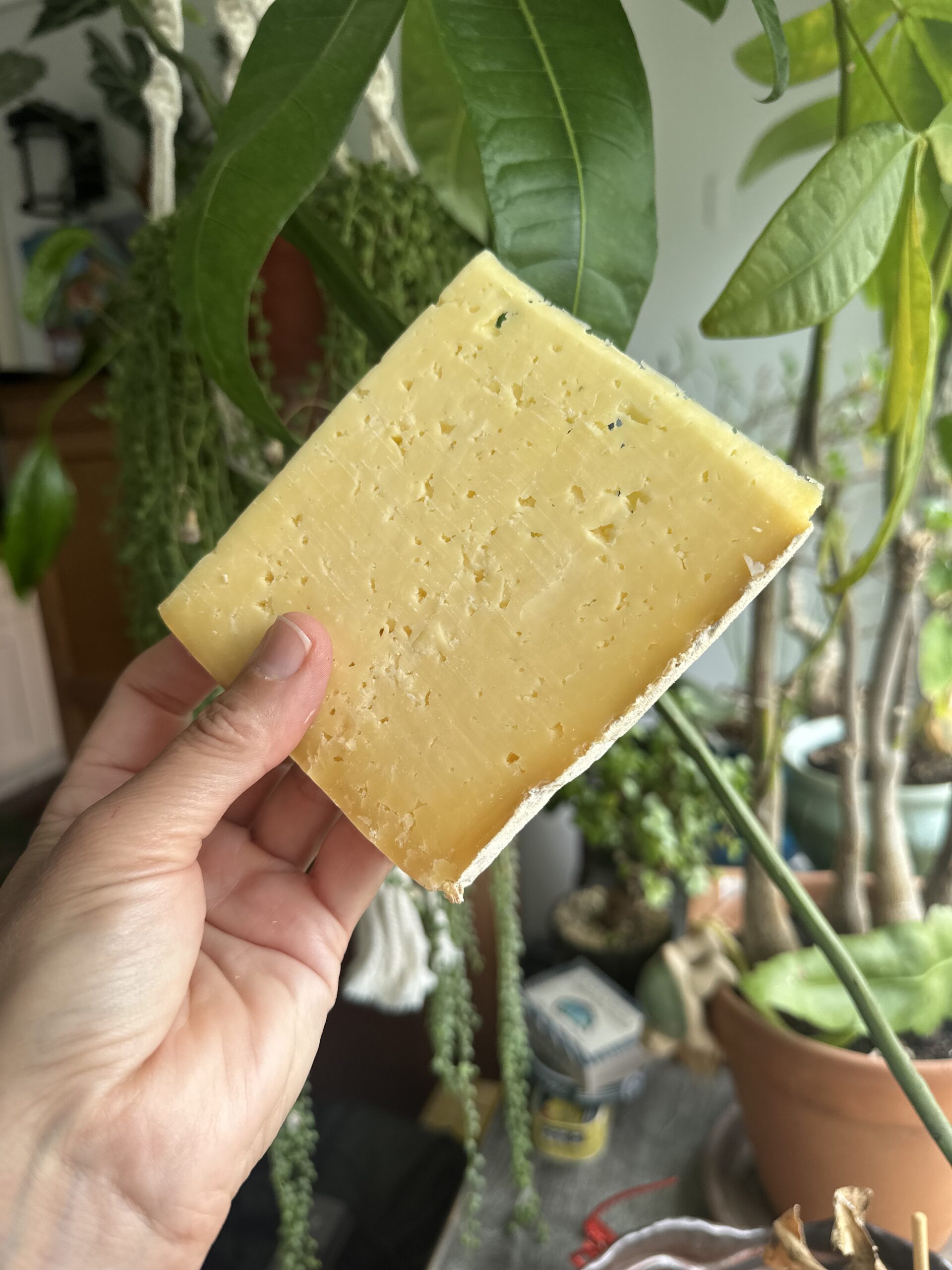
Yoredale from Curlew Dairy in the Yorkshire Dales, is real farmhouse Wensleydale, brought back from extinction. For many people, Wensleydale means the industrial blocks in the supermarket, studded with cranberries at Christmas. Yoredale shows what the cheese was meant to be. It’s one of my favorites, and I hope you have the chance to try it!
The History of Wensleydale in Yorkshire
Wensleydale was born in Yorkshire when French Cistercian monks arrived with their cheese-making skills. Later, when Henry VIII’s minister Thomas Cromwell oversaw the Dissolution in the 1530’s, stripping the abbeys of their land and wealth, the recipe was passed along to farmers’ wives. (I’m on my third book about Thomas Cromwell this year, so I just had to throw that in.)
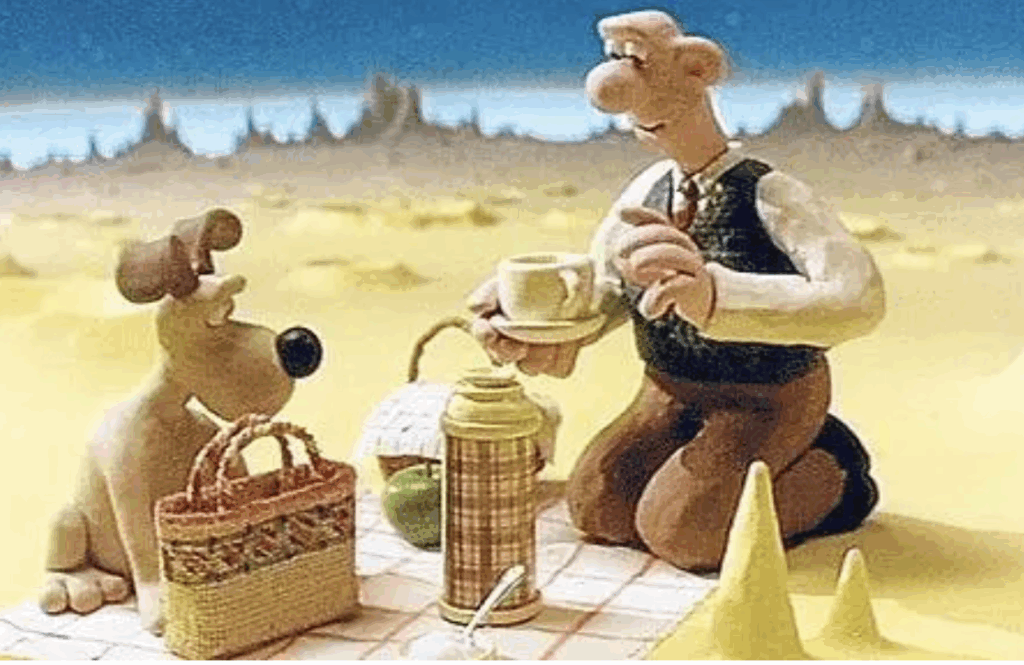
Wallace and Gromit on The Moon
Cheese, Gromit!
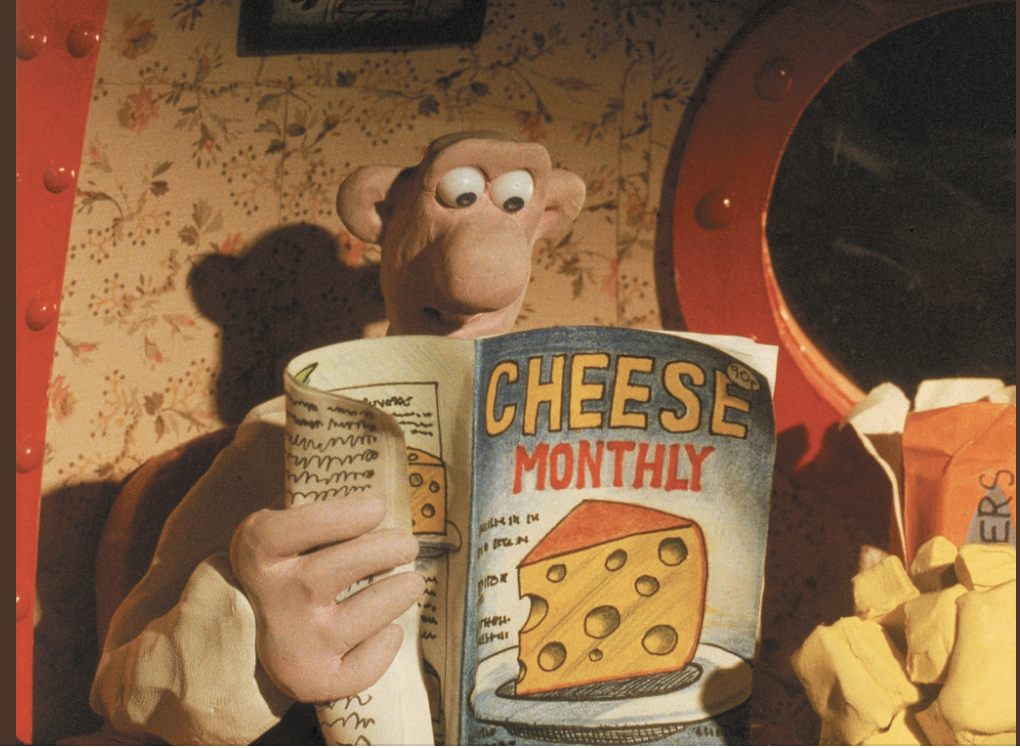
By the late 20th century, traditional farmhouse Wensleydale nearly disappeared. We talked about the effects of Industrialization in our post on Kirkham’s Lancashire. Production had long moved into factories, and the old ways of making it on small farms were gone. The last creamery in Hawes was even set to close in the 1990s. What saved it, oddly enough, was Wallace and Gromit! Their love of Wensleydale in the films sent demand soaring, giving Wensleydale Creamery a lifeline and sparking interest in real Yorkshire cheese again. That surge of interest set the stage for Sam and Ben Spence at Curlew Dairy to help bring real farmhouse Wensleydale back to life.
Making Yoredale Wensleydale
Eglantine: I grew up in Yorkshire, so I’ll tell you straight, Wensleydale belongs to this place. For centuries in the Dales, farmers’ wives made Wensleydale, using up the surplus milk when the cows were flush in summer. The cheese is best young and fresh, often eaten with bread and ale at the table, or taken down to the markets. It was never meant to be fancy. It was everyday cheese, proper food for working people, and part of the rhythm of the farm.
That is what Curlew Dairy brought back with Yoredale. They use milk from Holstein and Ayrshire cows, well suited to cheesemaking and to the rough ground of the Dales. The herd grazes on high pastures for much of the year, feeding on grass and wildflowers that give the milk its clean, lactic character. In winter, they eat gorgeous haylage grown on the farm, giving the milk an even sweeter taste. They use the milk the same day, raw and full of its natural flora, to make Yoredale in their dairy in North Yorkshire.
Wallace Reading Cheese Monthly
Curd Size
Eglantine: The trick with Wensleydale is in the curd. We cut it bigger and stir it less, so it keeps hold of more whey, and we press it only lightly. That is what makes the cheese moist and crumbly instead of hard and dry. If you press it too much or cut the curd too fine, you end up with something closer to Cheddar. Done right, Wensleydale stays fresh, clean, and lactic with that touch of honey sweetness. It is honest cheese, proper to the Dales.
Aritz: Yoredale Wensleydale ages three to four months. Because the curds are large and hold more whey, the cheese cannot be kept for long aging like Cheddar or Comté. I have nothing more to add, Eglantine has done a beautiful job explaining this cheese.
This is a good moment to notice how curd size affects a cheese. Large curds hold more whey, so the cheese stays juicier and fresher, with a crumbly but moist bite. Small curds, cut fine and stirred longer, drain more thoroughly and set the stage for firm, long-aged cheeses like Cheddar, Parmigiano Reggiano, or Gouda. The make begins with the curd, and the curd decides much of the cheese. If you’re not sure what curd is, stay tuned for an explanation!
Flavor and Pairing
The flavor of Yoredale is a lovely balance of freshness and depth. It has a clean lactic tang, hints of grass and herbs, and a gentle sweetness. It pairs beautifully with crisp apples, ripe pears, and fresh figs. A glass of cider or a light ale will echo its bright acidity, while a floral white wine will bring out its delicate sweetness.
There are two other farmhouse Wensleydales you can find at Neal’s Yard Dairy, but Yoredale is the only one they bring over to the United States. Please comment if you’ve tried the others!
Kirkham’s Lancashire is an English Territorial, one of the Crumblies, and one of my favorites. It’s buttery, tangy, and as one of my colleagues said, “fluffy.” However, when people see Kirkham’s Lancashire on the counter, they figure it’s another cheddar. With this post, we’re hoping …
I’m teaching a British Cheese and Cider class this weekend, so I thought I’d share a little about why I’m so excited about it. While I’m currently the British Cheese Buyer at Formaggio Kitchen, I used to work at a natural cidery, Botanist & Barrel. …
I’m Jennifer Tolliver, and I’m the editor of this website, and the public face of Crumb & Rind. I’m the one you’ll communicate with and see out and about. But rather than just talking about myself, I wanted to properly introduce Crumb & Rind.
Crumb & Rind is, on the surface, a place to learn about cheese. Sometimes we venture into food and drink more broadly, with the occasional bit of crafting for fun.
That’s what it is on the surface, and in some ways, that’s all anyone needs to know. However, if I left it at that, I’d be omitting something important.
With permission from the actual Crumb and Rind, I’ll share a little more. While they won’t be hosting events themselves, they are deeply involved behind the scenes, especially in the research we will be sharing on our blog.
Crumb & Rind
Ms. Crumb and Mr. Rind are the true founders. I was only invited to join them recently. They have been compiling information and writing about cheese, but felt that their information was a little incomplete and they weren’t sure how to share it. So earlier this year, I believe it was March 2025, Eglantine Crumb contacted me about joining them in their project. She and her partner, Aritz Rind, had been watching me from afar in my cheese career and decided I was what they were looking for in a partner to fill in the few gaps.
They both enjoy keeping a low profile. But I think they’re amazing and deserve at least a small introduction.
The Partners
Eglantine Crumb is a self-taught cheesemaker, cook, and baker. She lives in the Yorkshire countryside but has traveled widely. She enjoys a quiet life, but often takes trips to London, mainly to explore the food scene. Her writing focuses on recipes, pairings, and the relationship between cheese, animals, and the land.
Aritz Rind is a little more elusive, we think on purpose. He is an affineur and a microbiology enthusiast. He’s passionate about politics and his perspectives on cheese are unlike anything I’ve heard before. He will focus on more of the scientific and sometimes philosophical side of cheese.
As for me, I’ve been asked to bring a human perspective. I’ll share history and folklore, current politics and economics, and discussions on the challenges and triumphs of today’s artisanal cheese world.
Our conversations may sometimes be a bit odd, but they’re always a heartfelt exploration of cheese and the world around it.
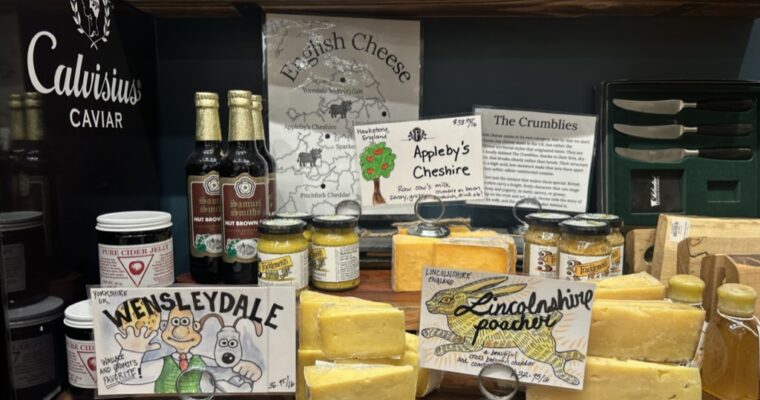
British cheese exists in its own category. And by that we don’t just mean any cheese made in the UK, but rather the traditional territorial styles that originated there. They are often fondly dubbed The Crumblies, (specifically Cheshire, Caerphilly, Wensleydale, and Lancashire,) thanks to their …