Eating Seasonally
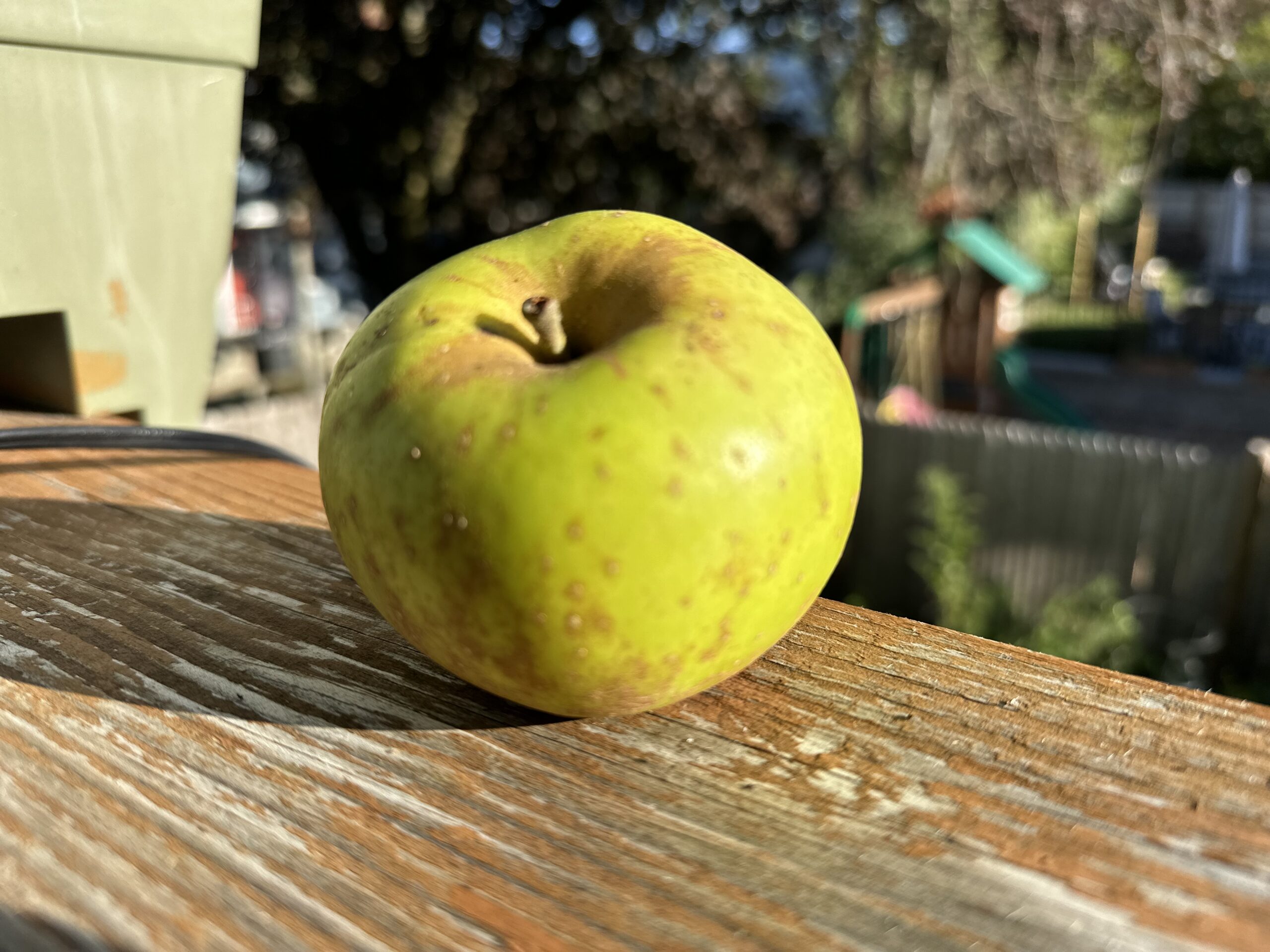
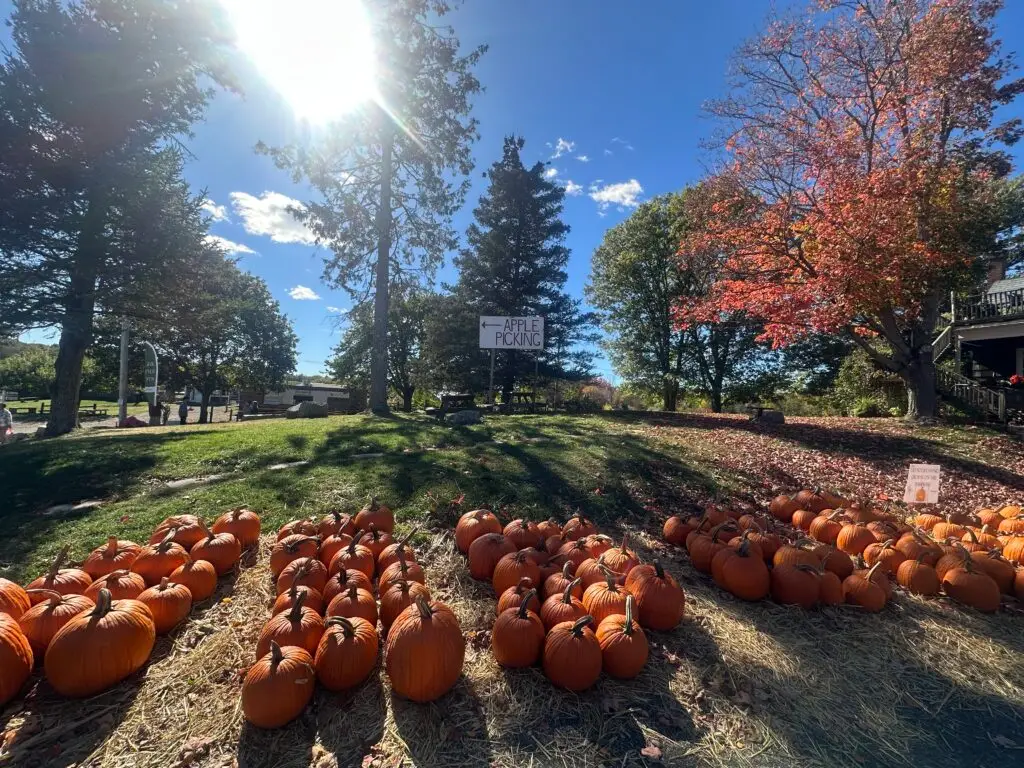
The change in season is upon us, and I’d like to talk about eating seasonally! Last night was our first frost warning in Boston. Foliage senescence is well under way. Halloween decorations are out. I just bought my second gallon of fresh pressed apple cider. I’m so excited to be in New England for fall. It’s the most autumnal and spooky of all the regions of the US. Not just because of the amazing foliage, Salem, Pilgrims, and Stephen King either. Could it be the apples?
Apples might be my favorite fruit. They are right now! Especially lately, with all of our recent posts about British Cheeses and Cider pairings. Apples and cider will never be as chemically complex as grapes and wine, but think of all the ways we use apples: from cobblers to braised short ribs, cheddar sandwiches and apple sangria. Sometimes you want the complexity of your food to shine. Simple pleasures like eating seasonally are always best.
Eat What’s Good Where You Are
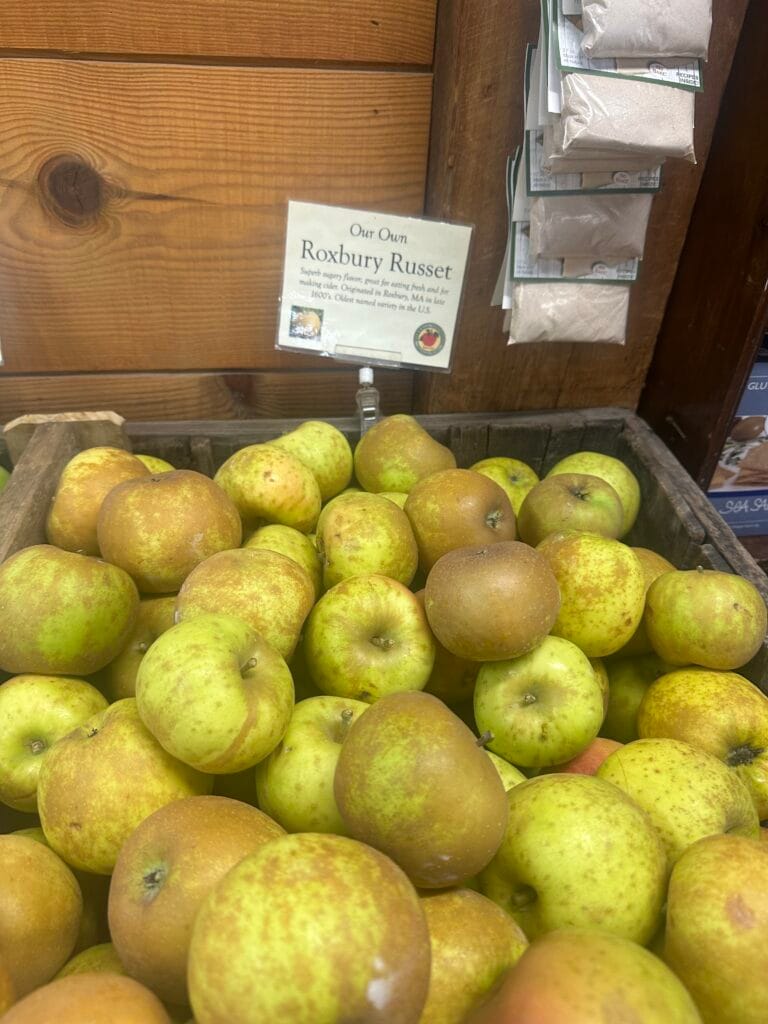
And New England apples are among the best. Growing up in California, I only saw West Coast apples. They’re ok, but if they showed up in my lunchbox, I generally tossed them. Even here on the East Coast, you’ll still find plenty of mediocre apples from the West Coast. Why? They grow “better” out there, as the drier conditions mean fewer diseases and a bigger harvest.
But to me, it’s like Florida citrus. They’re just not as good as California citrus. Oranges might thrive in Florida, with all of that water and warm weather. But more isn’t better, not matter how hard Florida tries. The Mediterranean climate of Southern California, with cooler nights and sunny days, makes the oranges more flavorful. They do risk some frost, but we all benefit from going through a bit of adversity, fruit included. Life is too short for flavorless food. I went on a bit of a tangent- not so much about eating seasonally, but I throw shade at Florida any chance I get.
Seasonality of Food
I’ll get to the actual point. Seasonality. I thought of this today while watching a video of a cheesemonger preparing a wheel of Mont D’Or, a lovely winter holiday sort of cheese, while eating a piece of Halloween candy with my coffee. We all know there are seasons to fruit and vegetables, even if we don’t always obey the rules of nature. We can eat food out of season, shipping food all over the globe. But we all know it’s not as yummy. It’s also not good for the environment, or for the local communities growing food for export instead of their own stomachs.
But even as selfish creatures, we should want to eat the yummiest food. My big tip here is to eat seasonally. As Barbara Kingsolver wrote about in Animal, Vegetable, Miracle: Our Year of Seasonal Eating, it makes the year more fun. Eat all the asparagus when it’s in season, and when it’s not, look forward to next year. Keep it special. Don’t we all talk about how frustrating it is that Christmas decorations go up so early in shops? The novelty wears off. If you can always have something, you take it for granted.
As a cheesemonger at a fancy shop like Formaggio Kitchen, I know there’s a reputation that we’re snobby and judgemental. But I can’t think of anyone pooh-poohing any one’s choices, except for seasonality. Like the guy getting prosciutto for his melon to serve at his Superbowl party, when clearly nachos are in season. Or people asking for raclette on a sweltering August day. It’s just not going to be as good!
Seasonality of Cheese
So cheese has a season? Yes. 100%. And not just for eating. I didn’t know this until I worked at Boxcarr, for example, but goats aren’t in milk all year. They take the winters off. So fresh chèvre has a season, and it makes sense once you think about it. That fresh, lemony taste is so springtime. That Mont D’Or I mentioned earlier? It’s made during the cooler months. Eating seasonally just makes sense.
Winter milk really is different. When animals move from pasture to hay, their milk changes. It’s thicker, higher in fat, and lower in water. The flavors shift from grassy and bright to buttery and nutty, because dried hay and stored grains make for richer milk. That’s why so many Alpine and holiday cheeses are made in winter: Vacherin Mont d’Or or Haut-Doubs. Let’s not forget the fantastic US versions, Rush Creek Reserve and Winnimere. They’re born of cold barns and smoky fires, not sunny mountain pastures. It’s the dairy world’s equivalent of comfort food.
Eglantine: Winter milk is like cream in a wool sweater. Richer, slower, meant to rest. When animals stop grazing and start eating hay, their milk turns golden and dense, perfect for those soft, spoonable cheeses that only appear in the cold months.
The Natural Rhythm of Food
Apples have their own seasonality, too. There are early apples, the ones you eat straight from the tree in September, crisp and bright. And there are keepers, the ones meant to last all winter in a cool cellar. Cheese, can be eaten fresh or as a keeper too, like potatoes stored in the dark, waiting out the winter. Every farmhouse had its own calendar of ripening and resting. Seasonality gives us a reason to look forward. Fresh apples now, baked apples later. Richer milk for winter cheese. Maybe that’s the point of it all? We’re meant to look forward, and the wait is worth it.
Questions
Is Halloween Candy a seasonal food?
What are seasonal foods for the Superbowl?
Cheesemonger tips:
-Think about the seasons when you’re building your cheeseboard, especially for the accompaniments. Think of adding seasonal fruit and flavors.
-Don’t eat summer melons in the winter!
-Next time you’re in a cheese shop, ask a cheesemonger to show you the different colors of paste between a winter cheese and a summer cheese. The summer wheels will be much more yellow!
1 thought on “Eating Seasonally”