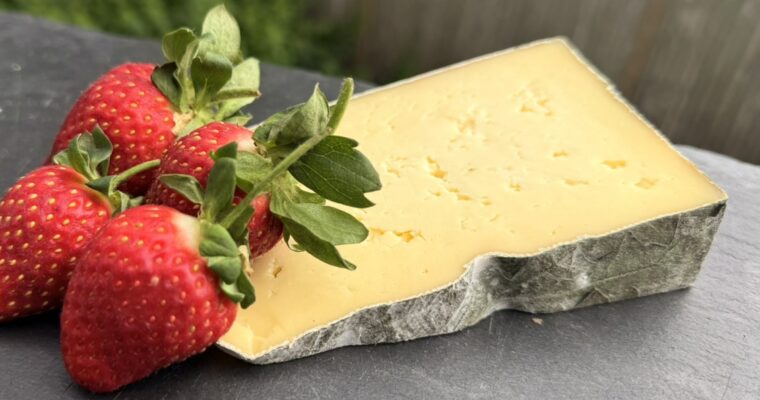
Wrapped in stinging nettles before it matures, Cornish Yarg is one of the most recognizable cheeses in Britain. The nettles encourage a delicate bloomy rind while the interior stays creamy, fresh, and lightly tangy. It’s the kind of cheese I always associate with summer: perfect …
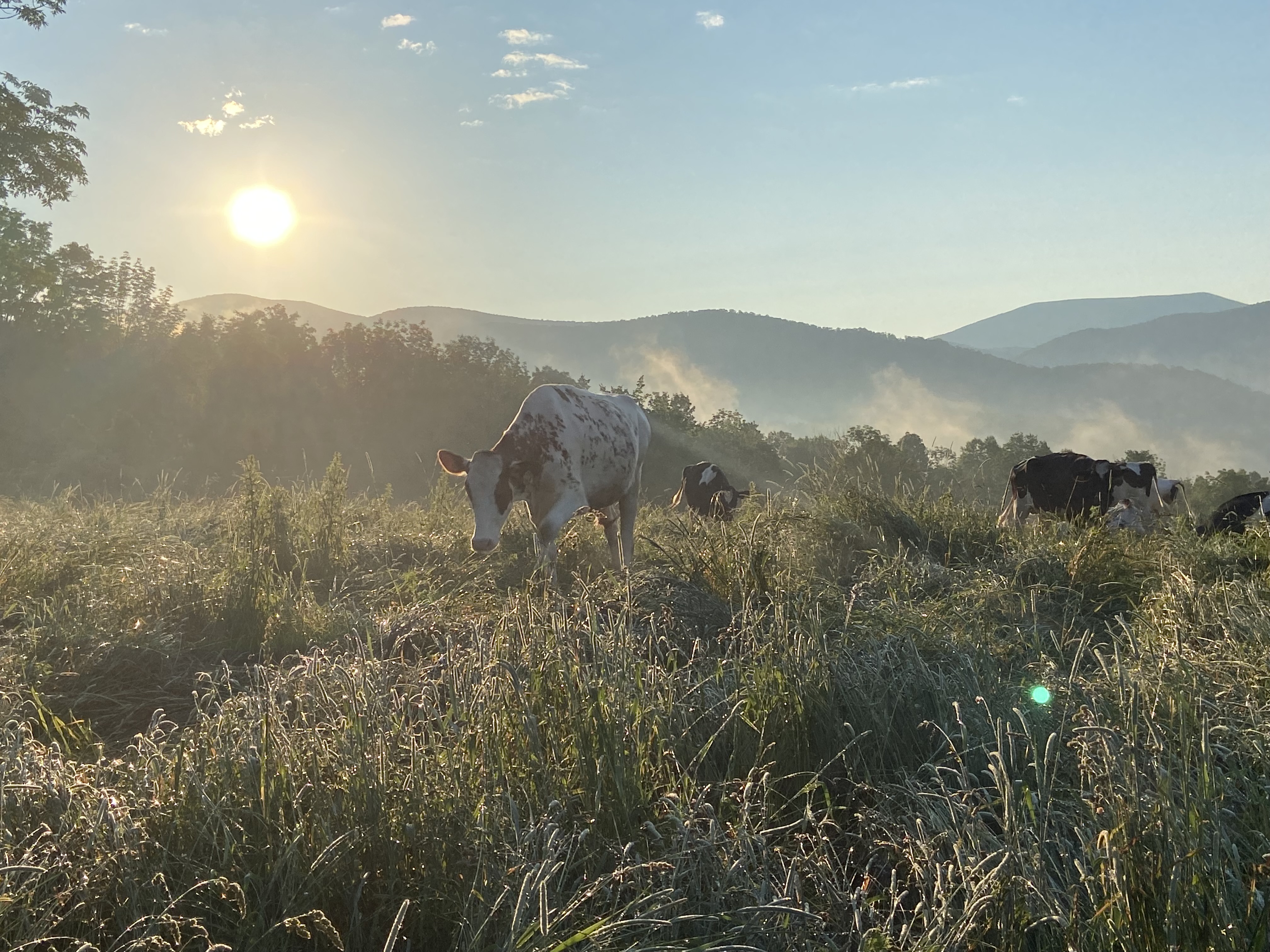
For many years, Consider Bardwell Farm made Pawlet and Rupert from Woodlawn Farm’s cow milk. Consider Bardwell closed shortly after Covid due to some bad luck, but the Leach family at Woodlawn decided to keep the cheese going, so they brought the cheesemaking to their …
In the 1970s, a quiet revolution began in the counterculture kitchens of West Cork, Ireland. It was led by Veronica Steele, the pioneer who created Milleens and gave rise to the Irish farmhouse cheese industry. Soon after, two other names became synonymous with this artisanal awakening: Gubbeen and Durrus.
These three families proved that the Irish “terroir” could produce world-class washed-rind cheeses. The Steeles of Milleens legacy, Jeffa Gill of Durrus, and the Fergusons of Gubbeen remain the pillars of Irish Farmhouse Cheese.
The Windswept Terroir
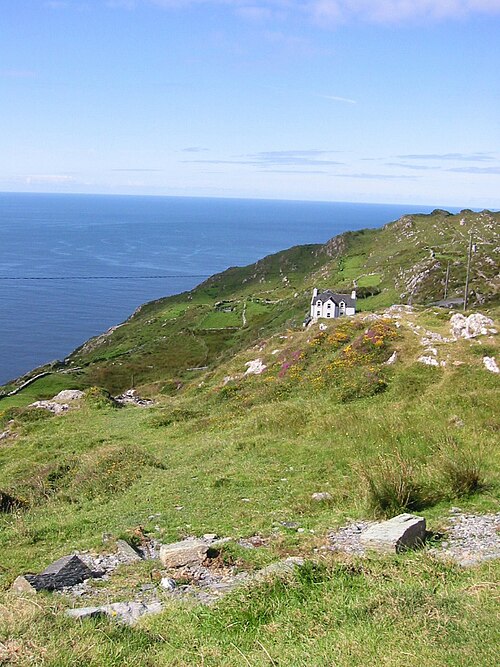
West Cork is the southwesternmost part of Ireland. It is ruggedly gorgeous and remote. Centuries of deforestation and thin, rocky soils have left the land exposed, yet it remains emerald green year-round thanks to the temperate Atlantic climate. Heavy farming machinery would destroy the little topsoil left, so this is best left for the dairy cow!
Eglantine: These Irish lasses graze on hardy grasses and wildflowers, producing milk with depth. Lucky country for cows, that’s for certain.
Aritz: Hippies always end up where the land is cheap and the grass is good.
Crucially, the salty, cold Atlantic air provides the perfect natural humidity for aging. In the maturation rooms, this maritime atmosphere encourages the Brevibacterium linens to thrive, giving Durrus its pinkish-orange rind.
Here We Go On Again About Monks
Long before the 1970s cheese revival, Ireland’s spiritual exports laid the groundwork for European cheesemaking. During the “Golden Age” of the 6th and 7th centuries, Irish monks traveled across Europe, establishing monasteries from Iona to the Alps. These Peregrinati (wandering monks) brought with them advanced agricultural knowledge, including cheese making and aging. In many of the great European abbeys, it was these religious communities that perfected the art of “washing” cheese rinds with brine or booze to keep them moist and ward off unwanted molds.
When Veronica Steele, Giana Ferguson, and Jeffa Gill began washing their rinds in West Cork, they weren’t borrowing a French technique. They were bringing a tradition home, completing a 1,500-year-old circle that started in the stone cells of Irish abbeys.
Eglantine: I grew up among the ruins of an abbey in Yorkshire and made Wensleydale for most of my life, but I didn’t fully understand what those monks had given us until I began traveling. I’ll tell these stories soon enough.
A Modern Renaissance
Today, Durrus exists in an Ireland that is rapidly redefining itself. After centuries of colonization and political strife, the healing nation has emerged as a high-tech powerhouse and the Silicon Valley of the EU. This influx of global wealth and a new, well-traveled generation in Ireland has sparked a culinary rediscovery. The Irish are no longer just exporters of raw ingredients; they are curators of their own food systems. I got to see this first hand while I was learning at Ballymaloe Cookery School in County Cork.
Aritz: Colonization always breaks the food first. Seeing the Irish make their own cheese again is a fine thing. That’s resistance, whether they call it that or not.
The Profile: Durrus Farmhouse
Durrus was created by Jeffa Gill in the Coomkeen Valley on the Sheep’s Head Peninsula of County Cork, Ireland. It is a pasteurized, semi-soft washed rind cheese that captures the essence of the Cork countryside. They also make a raw milk version which I encourage you to find if you’re on that side of the Atlantic.
Durrus is creamy, milky and mild when young, and develops a savory character when aged.
Texture: Pliable and smooth with a thin, slightly tacky rind.
Aroma: Earthy, damp hay
Taste: Buttery to nutty.
Pairings: A dry craft cider, a medium-bodied White Burgundy, honeycomb, or tart apple chutney.
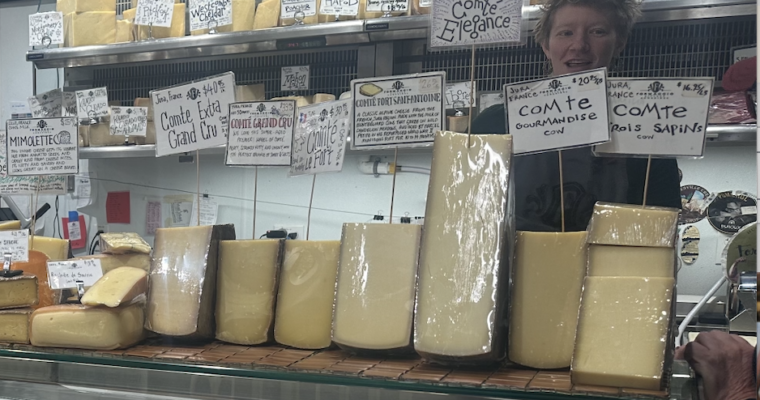
Now that we’re back from our winter break, it’s time to start the year with the heavyweights. It is still snowing as I write this, and there is no better “snow day” cheese than a cooked-curd Alpine. The two neighbors, Swiss Le Gruyère AOP from …
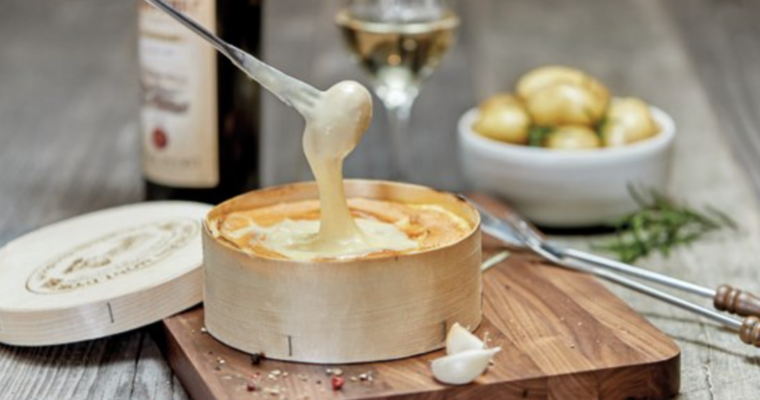
The Cheese for the Coldest Months Vacherin Mont d’Or is the ultimate holiday season cheese, and that has less to do with marketing than with timing. It is made in the colder months, when alpine herds have come down from high pastures and milk is …
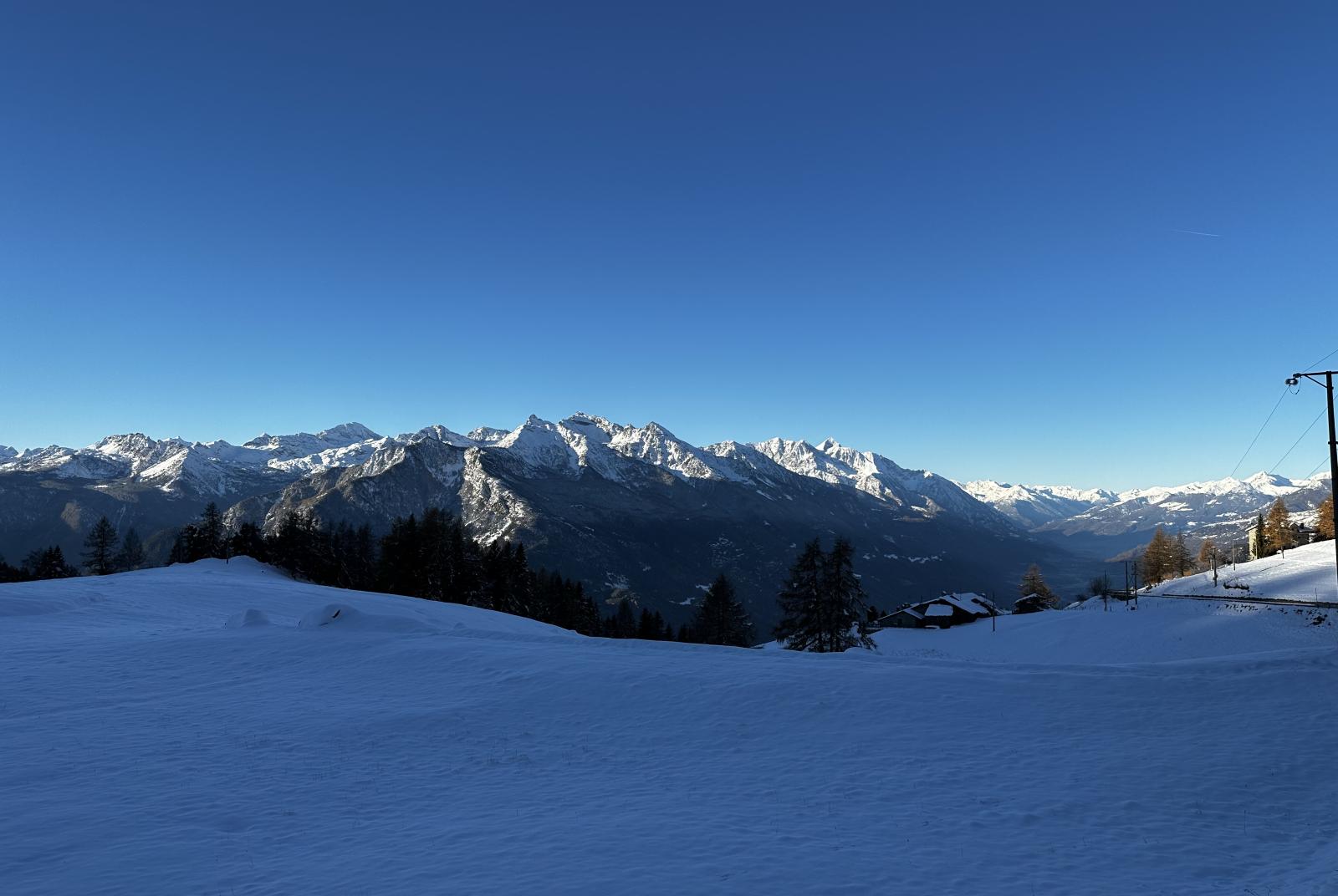
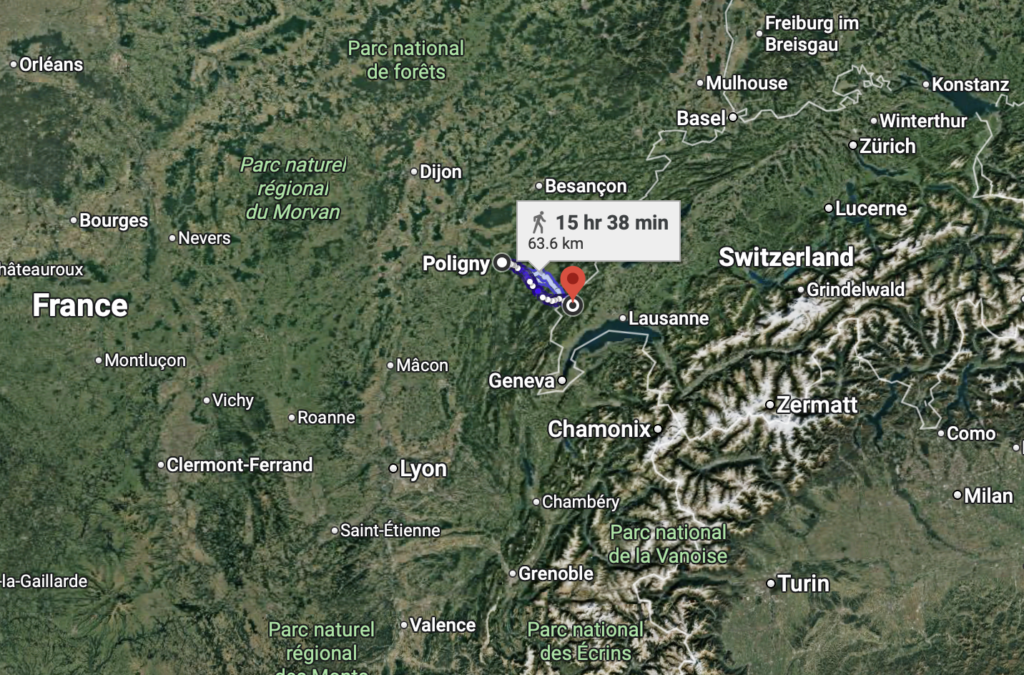
Eglantine Crumb’s Field Notes Full Moon, Snow Settled Vallée de Joux, Jura Near the French-Swiss Border
I’ve been in the Jura for a time. How much time? I don’t know. But I have a curious feeling of being very aware of time, and not especially bothered by it.
I came to this region to learn about Comté, but I stayed for Vacherin Mont d’Or. It was a day’s journey from the fruitière, so no trouble at all. Back in Yorkshire, I read about this cheese. I always meant to go into Leeds and track it down at a cheeseshop, but somehow never quite managed it. So I thought, if I was ever going to understand it properly, it had to be now.
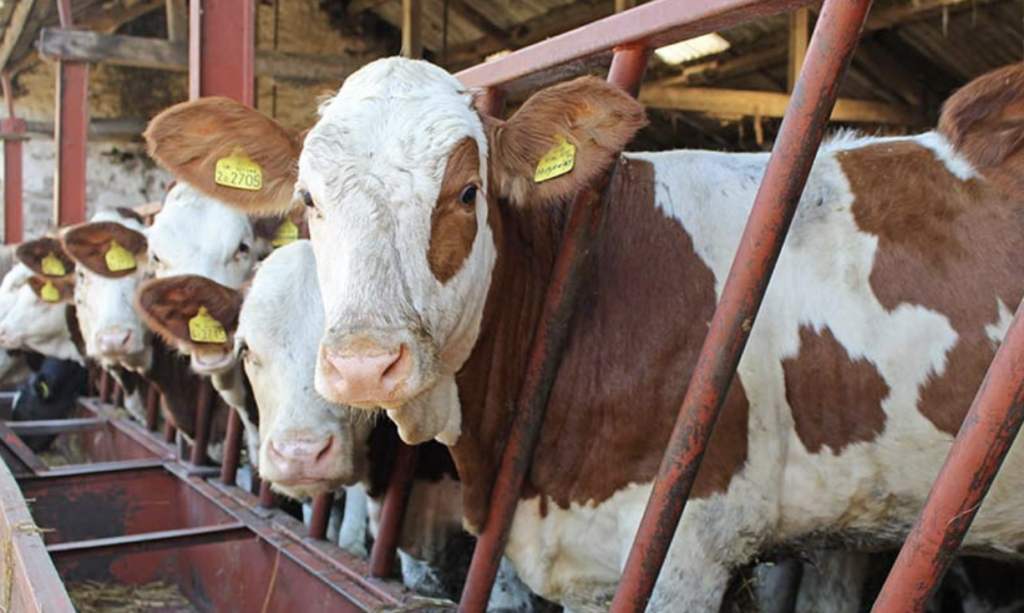
The cold air here seems to settle and stay. When farm work slows, people need something steady to occupy their hands, and so watchmaking took hold. It’s delicate, patient work. People here became attentive to measuring time. One of the Montbéliarde cows I met, all snug in her barn, told me she only cared whether it was winter or summer, and that there was no real need for watches (at least for cows) at all in the Jura!
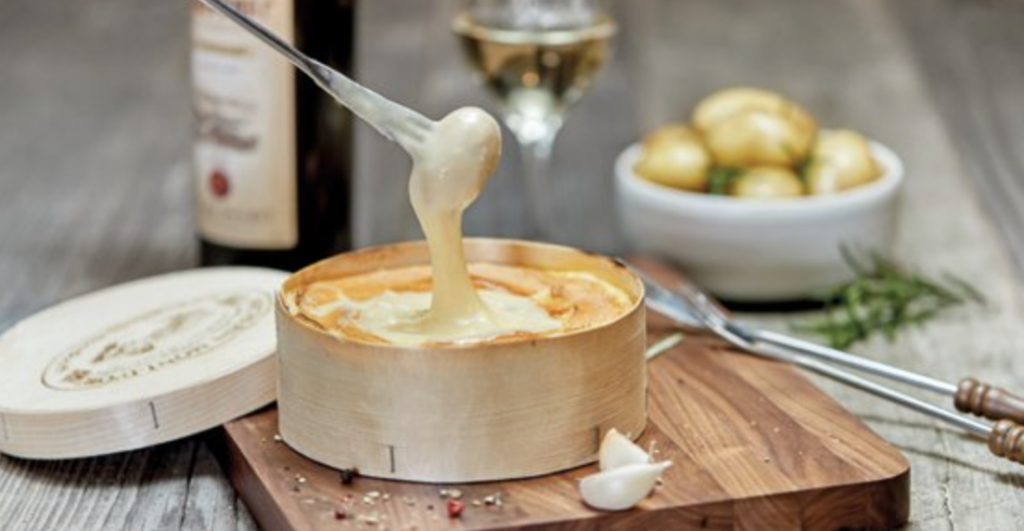
Vacherin Mont d’Or is also about time. It’s a cheese many people make a point of finding at Christmas, though here it feels more like part of the season than a celebration. It is an unusually rich cheese, made only from winter milk, wrapped in spruce bark and almost begging to be eaten fireside. Mont d’Or isn’t aged long, and its time is brief, but that’s the point. It must be eaten now, in the winter, though not with urgency. There is no need to rush.
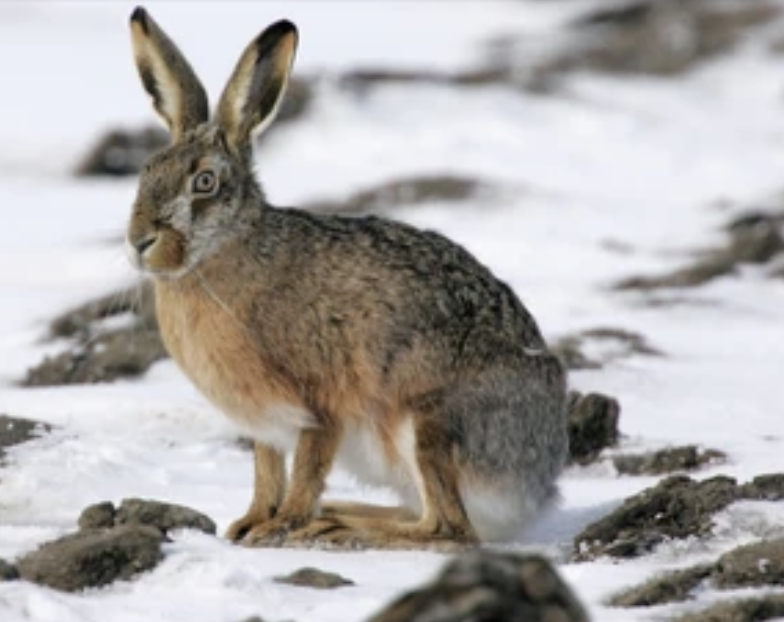
As usual, Aritz found me an excellent guide and host. Brune is one of the most patient hares I’ve ever met. I was feeling a bit lonesome before, missing Christmas at home. She takes winter as it comes. No complaining about the early darkness or the cold. No romanticizing it either. Just a steady acceptance of the present.
She has a collection of watch parts, which she returns to the watchmakers when they need them. She can’t quite explain why she finds them when they are lost, only that she comes from a long line of helpers. Sometimes she finds gloves or buttons and returns them too, but her favorites are the watch pieces, the springs and cogs. She keeps them carefully in a wooden cupboard alongside her other winter things.
Snow stayed on the ground for weeks, and the cold air didn’t seem to budge. Even in the Alps, with all the changes in altitude, you sometimes get a break from the worst of it. Here in the Jura, which is lower in elevation, the wind rips across the plateau, but the cold itself seems unmoved. Still, I’ve found it a welcome pause from my travels. No big parties in chalets here!
For my last night, we toasted a Vacherin with a bit of garlic and rosemary, paired with a Jura white wine. The wine was almost nutty, and not a bit of oak in it.
Later in the evening, after we had finished the Vacherin and our glasses of Chardonnay, Brune showed me one of her favorite ways of lengthening a winter night. Make a winter’s night longer, she said. I thought she was the maddest hare since Lewis Carroll. Suddenly Aritz appeared, not even bothering to say hello, acting as though he’d been there all along.
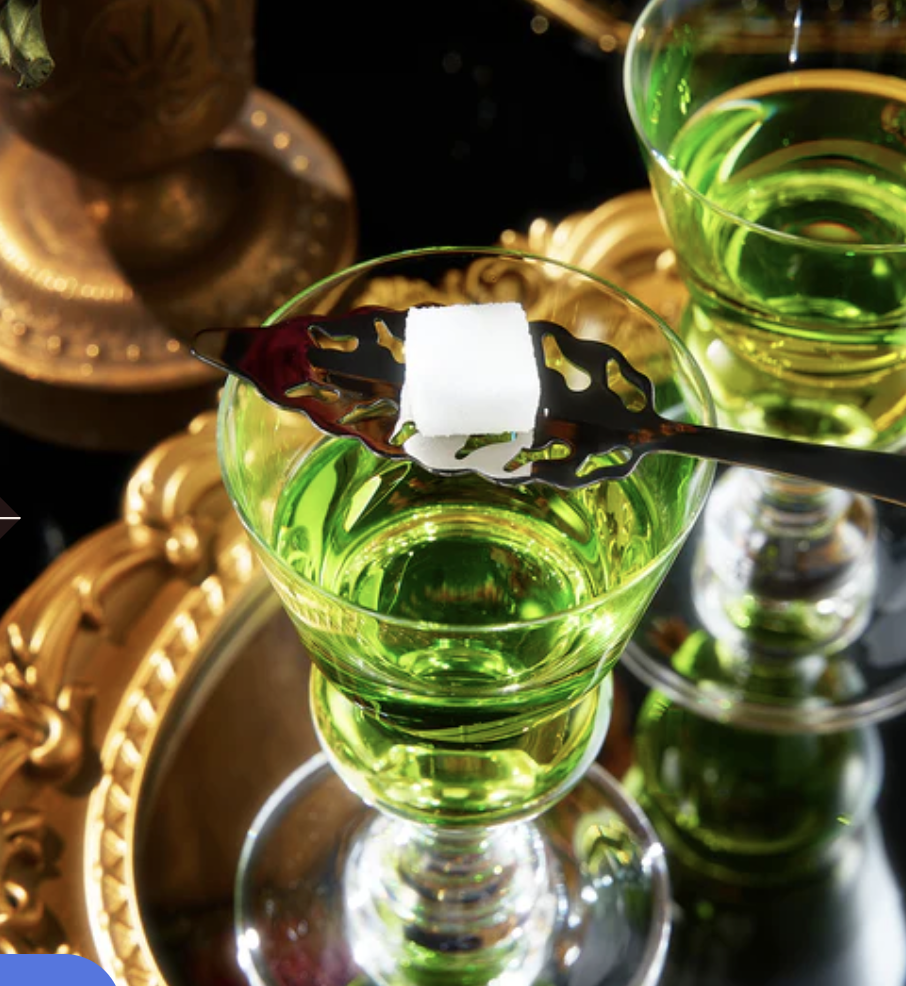
Brune pulled an antique bottle of green liquid and a small slotted spoon from the back of her cupboard of springs and cogs. She set out little glasses, each with a small bubble at the bottom. Then she said that’s how you know how much Absinthe to pour.
Brune explained that although the Absinthe was made in Pontarlier, technically in France these days, the herbal spirit was a part of life here. She poured just enough to fill the bubble, placed a sugar cube on the spoon over the glass, and let cold water drip slowly over it. Drip, drip, drip. Like a clock ticking. She said the important thing was not to rush. The green liquid slowly turned cloudy. Brune said the clouding is the “louche.”
I admitted I had always thought you lit the sugar cube on fire. She laughed and said that we were not in a Paris tourist trap! Aritz called me Toulouse-Lautrec, waved a hand dismissively, and said it’s a myth. And it burns off the aromatics. The flame makes the drink worse, not better.
Aritz explained that the stories about wormwood, thujone poisoning, and the green fairy were mostly nonsense. Absinthe had simply become too popular, and big business preferred people drinking wine instead. He said it was also a drink associated with bohemians and The Poor. It was easier to demonize a drink than to compete with it. It was his usual habit of blaming capitalist conspiracy for everything, but Brune politely agreed.
The lovely herbal bitterness and warmth were just what I needed. We talked late into the night. It’s still night now, actually. I swear it was hours, though perhaps we started early. I might have to nick one of them watches!
Eglantine Crumb, is a Yorkshire Cheesemaker who happens to be a Mouse. Not long ago, she found herself trapped in a shipping container was transported far from home. This is one of her journal entries.
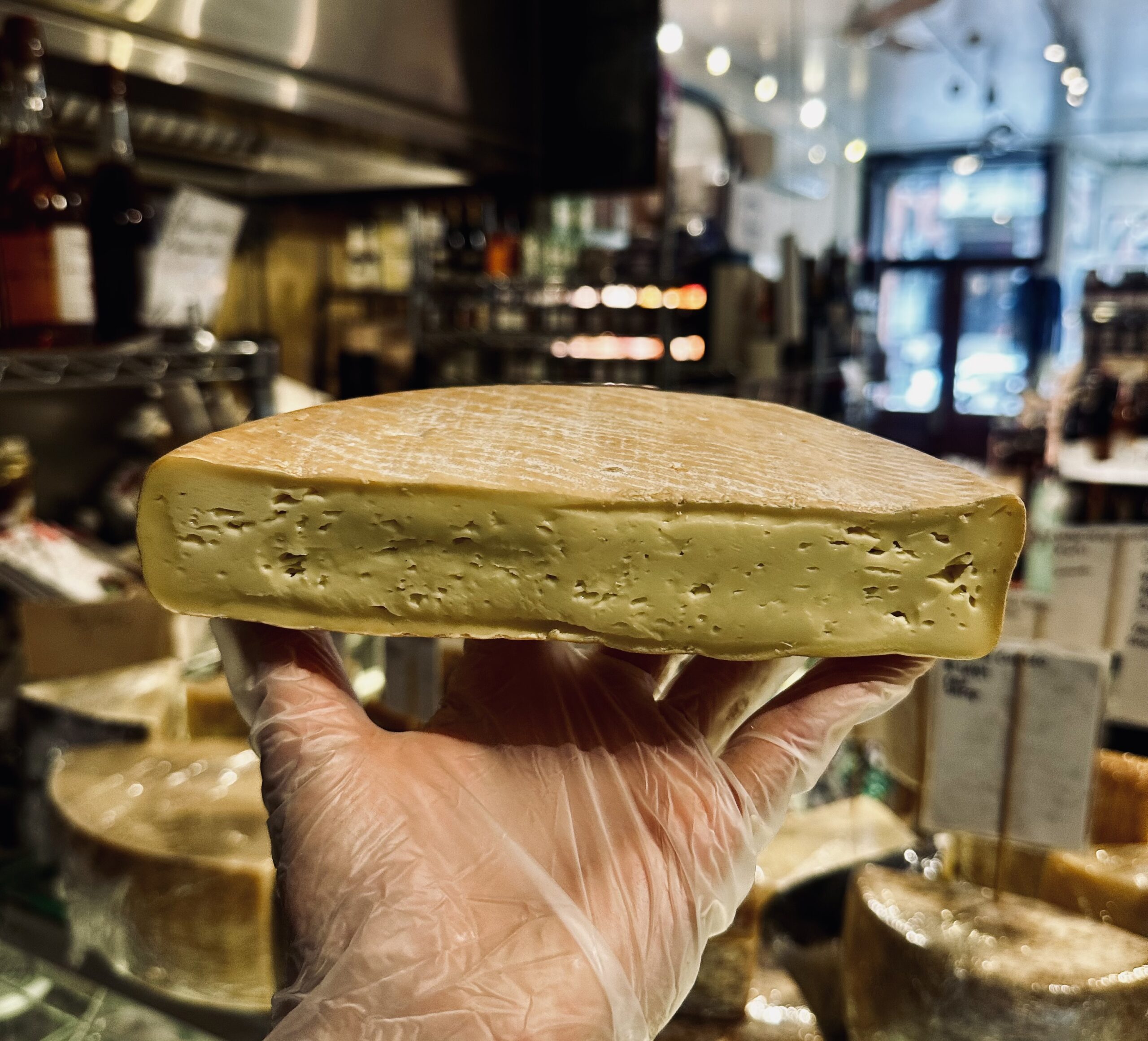
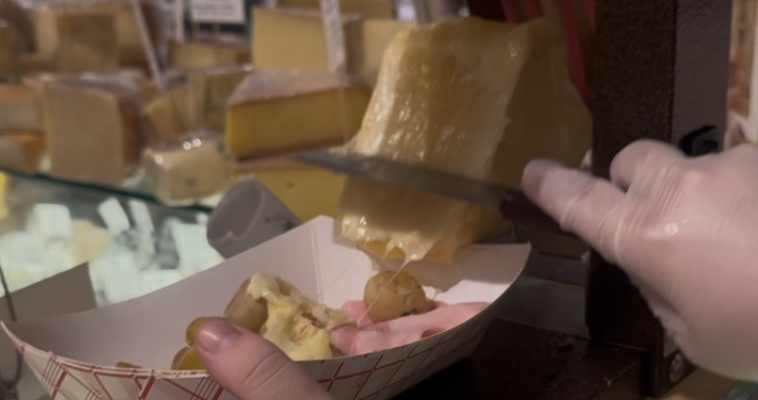
We’re serving raclette at the South End Formaggio Kitchen this winter season where I work as a Cheesemonger. Happily, I’m also teaching a class on raclette (and fondue) at the Formaggio Kitchen in Cambridge. We’re keeping it seasonal around here! What is Raclette? Raclette can …
Eglantine Crumb’s Field NotesWaxing Rind Moon, Snow Deepening Chalet above Martigny, near La FoulyCanton of Valais, Switzerland On my last evening with Aritz in Aosta, we had what he called a simple meal, though it felt quite grand to me. We were on the banks …
Believe it or not, I’m calling this a seasonal post! A lot of our winter cheeses have washed rinds. Vacherin Mont d’Or, Epoisses, even Gruyère and Comté. Many of the cheeses we melt in the colder months, like Raclette, are on the stronger, funkier side, and they have washed rinds. These cheeses pair well with celebratory Champagne, off–dry wines like Riesling, or a sweet Sauterne. All of these feel right during the holidays and colder weather.
Washing the rind doesn’t just change the look of the cheese. It changes the flavor in a big way. The microbes on the rind start breaking down the cheese from the outside first, which releases all those savory, meaty aromas washed rinds are known for. The paste inside often stays sweet and milky, but the rind adds salt, funk, and a bit of earth. Eating both together gives you that classic washed rind balance of custardy interior and punchier rind.
Funky Washed Rinds
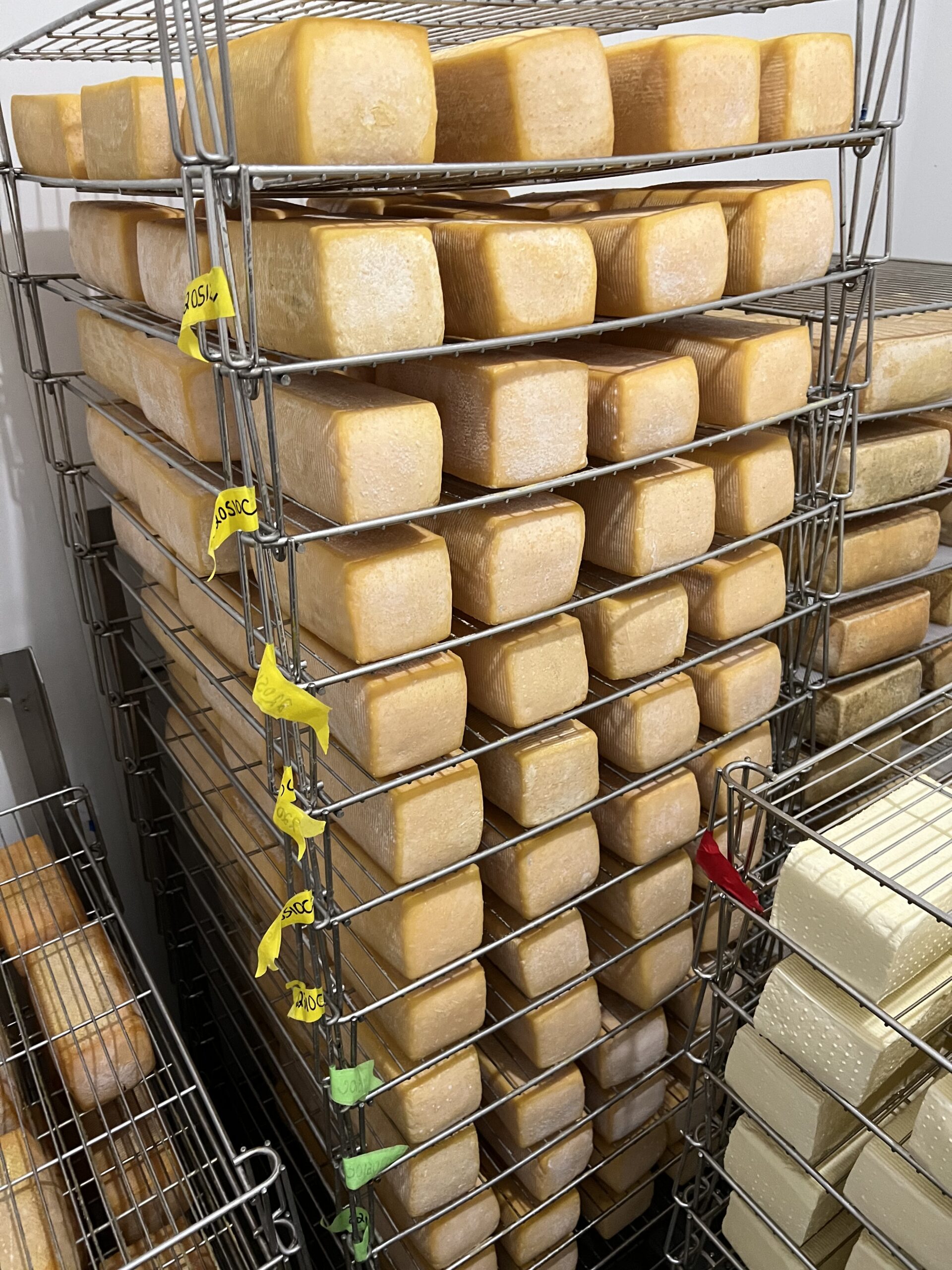
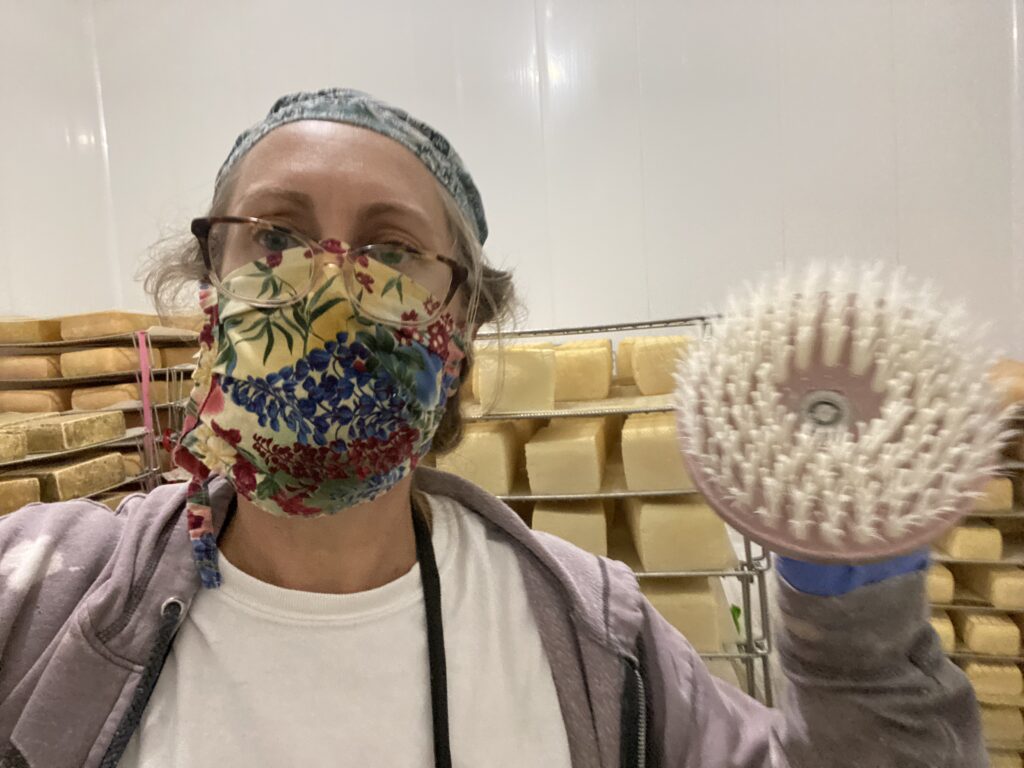
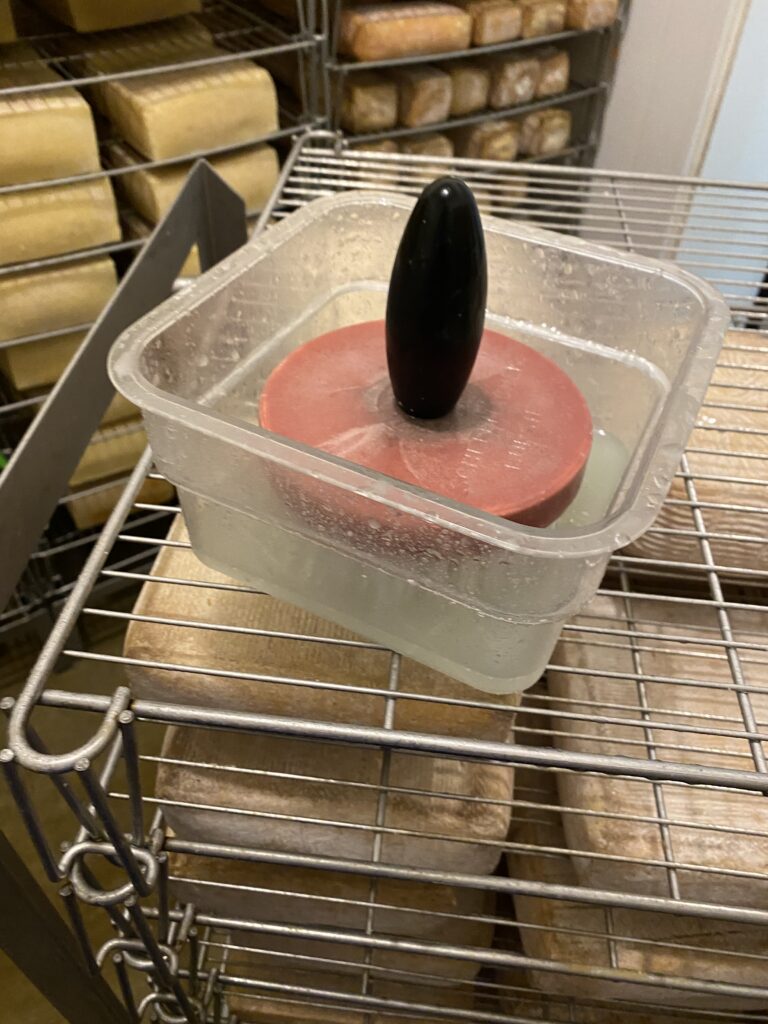
While there are a few ways cheese can develop strong flavors, washing the rind is THE path to funkiness. And that funkiness comes from microbes! When we say a cheese is “washed,” we mean someone literally washes the outside with brine. Sometimes beer, wine, or liqueur is added to the salty water. Some affineurs add microbial cultures to the brine to help things along. Others rely on microbes already in the milk, or those endemic to the aging cave. Washing is cold, labor intensive work. It also requires someone who understands how to care for the cheese at each stage of its life. I got a taste of this skill when I worked at Boxcarr.
Affinage at Boxcarr
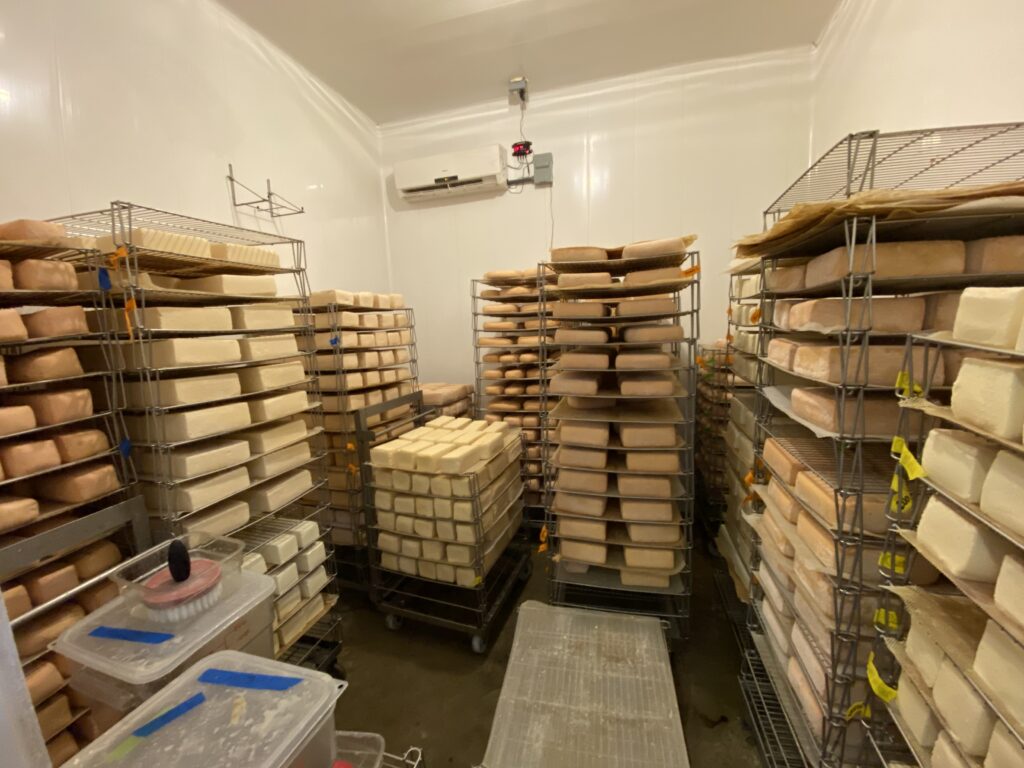
At Boxcarr, cheese brush in hand, I washed Lissome, Nimble, and Campo. Early on, I kept the cheese very wet so the desired microbes could take hold before anything else moved in. Once pale blocks of cheese start turning a bit orange, I could ease up on the aggressive, wet brushing. I wanted the cheese to stay a bit sticky but not too sticky, the difference being something I had to learn by feel. If any unwanted mold started growing, I had to brush more attentively. After a few weeks, once the rind was established, I was able to merely dip my glove in the brine, and lightly smooth over the rind.
An Affineur’s Perspective
Aritz: Brevibacterium linens get a lot of attention for washed rinds, but there are other microbes that create the orange, funky rind people love. Fusarium domesticum, Rhodosporidium, Staphylococcus xylosus, bacteria and yeasts that also make the rind orange and funky. They break down the proteins and fats .
We’ll profile some washed rind cheese, but for now, we hope this was a helpful introduction to what they are!
It’s our first post in a while that’s actually about cheese. It’s November and I’ve just finished teaching class on Stilton and Port, the perfect duo for these cold nights. They’re a classic pairing, and I thought I’d write about them together. What I realized, …