The Jura
Eglantine Crumb’s Field Notes
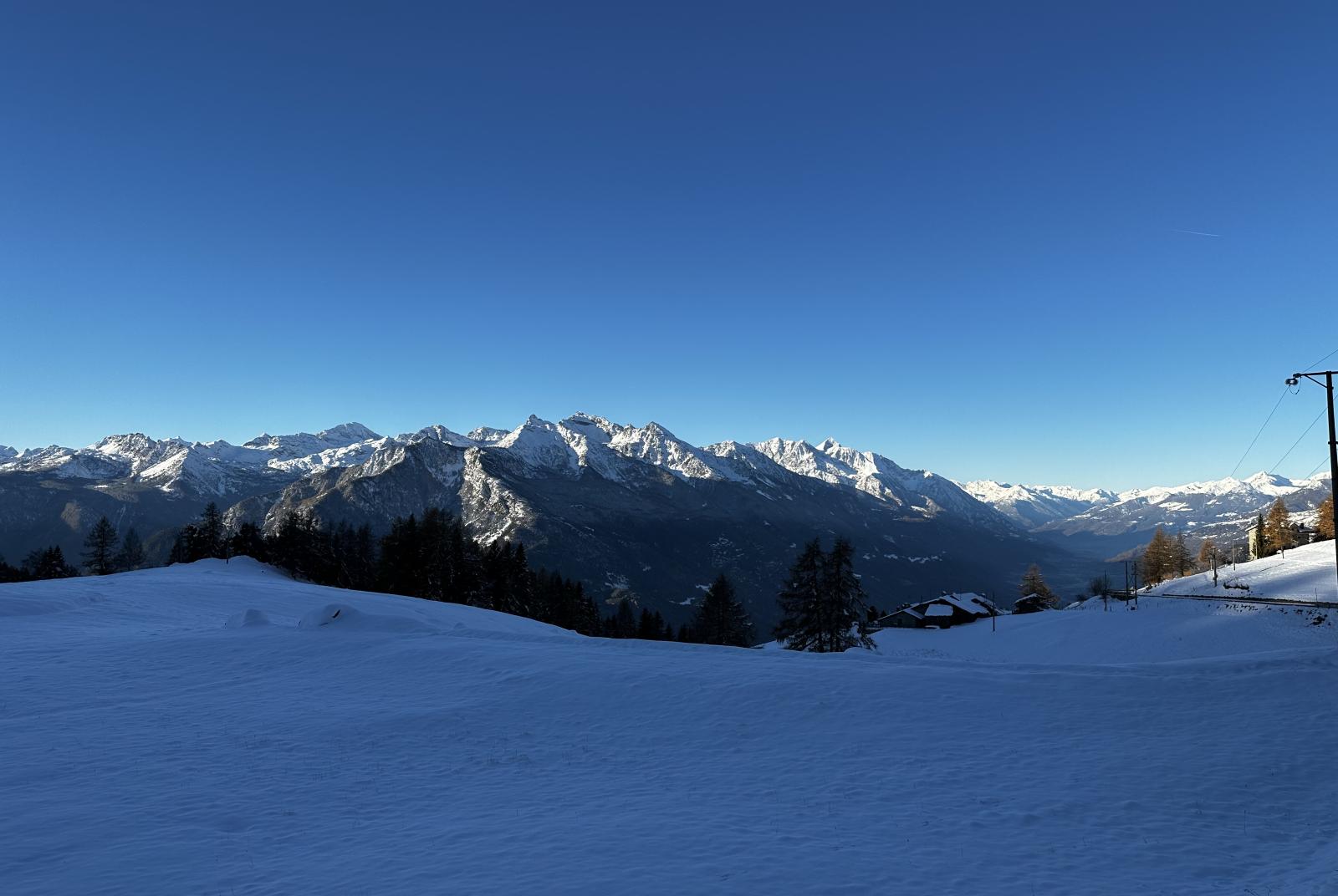
Full Moon, Snow Settled
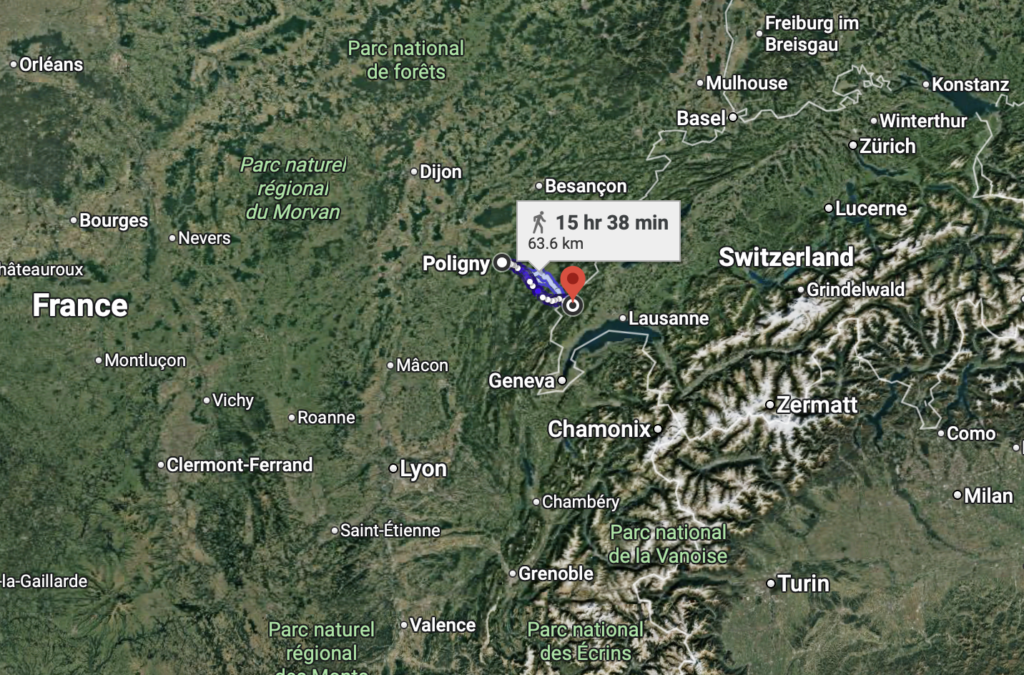
Vallée de Joux, Jura
Near the French-Swiss Border
I’ve been in the Jura for a time. How much time? I don’t know. But I have a curious feeling of being very aware of time, and not especially bothered by it.
I came to this region to learn about Comté, but I stayed for Vacherin Mont d’Or. It was a day’s journey from the fruitière, so no trouble at all. Back in Yorkshire, I read about this cheese. I always meant to go into Leeds and track it down at a cheeseshop, but somehow never quite managed it. So I thought, if I was ever going to understand it properly, it had to be now.
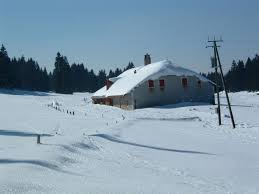
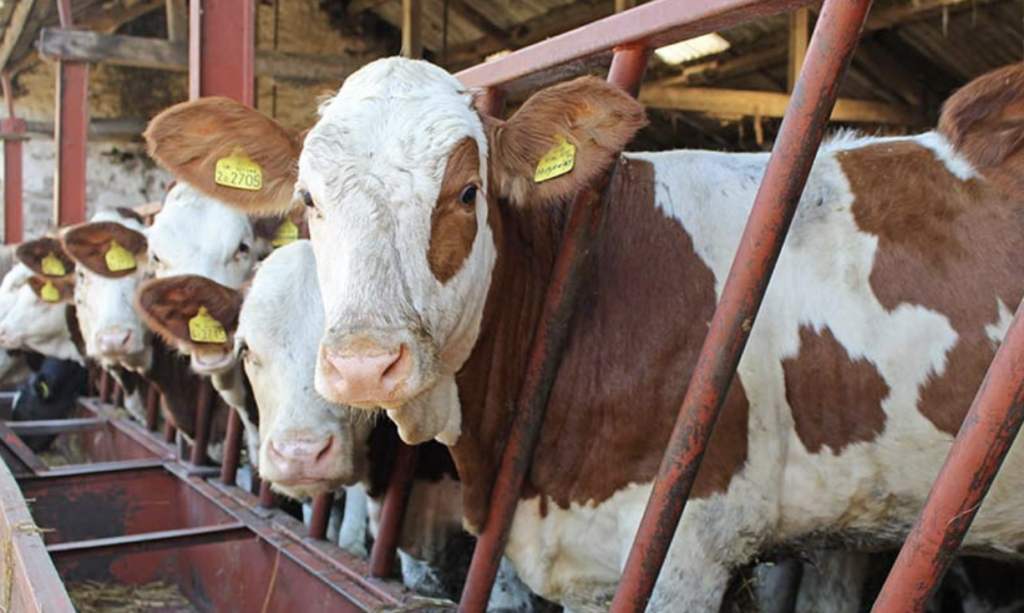
The cold air here seems to settle and stay. When farm work slows, people need something steady to occupy their hands, and so watchmaking took hold. It’s delicate, patient work. People here became attentive to measuring time. One of the Montbéliarde cows I met, all snug in her barn, told me she only cared whether it was winter or summer, and that there was no real need for watches (at least for cows) at all in the Jura!
Vacherin Mont d’Or is also about time. It’s a cheese many people make a point of finding at Christmas, though here it feels more like part of the season than a celebration. It is an unusually rich cheese, made only from winter milk, wrapped in spruce bark and almost begging to be eaten fireside. Mont d’Or isn’t aged long, and its time is brief, but that’s the point. It must be eaten now, in the winter, though not with urgency. There is no need to rush.
As usual, Aritz found me an excellent guide and host. Brune is one of the most patient hares I’ve ever met. I was feeling a bit lonesome before, missing Christmas at home. She takes winter as it comes. No complaining about the early darkness or the cold. No romanticizing it either. Just a steady acceptance of the present.
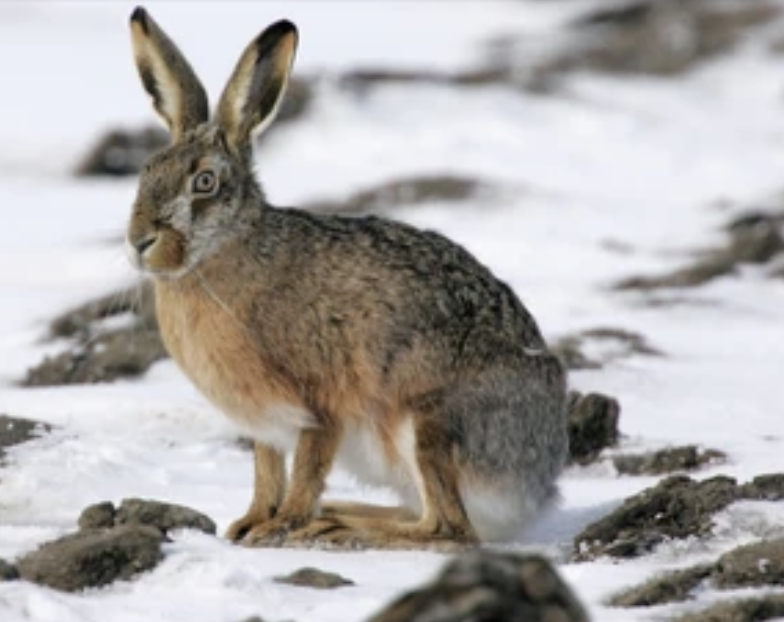
She has a collection of watch parts, which she returns to the watchmakers when they need them. She can’t quite explain why she finds them when they are lost, only that she comes from a long line of helpers. Sometimes she finds gloves or buttons and returns them too, but her favorites are the watch pieces, the springs and cogs. She keeps them carefully in a wooden cupboard alongside her other winter things.
Snow stayed on the ground for weeks, and the cold air didn’t seem to budge. Even in the Alps, with all the changes in altitude, you sometimes get a break from the worst of it. Here in the Jura, which is lower in elevation, the wind rips across the plateau, but the cold itself seems unmoved. Still, I’ve found it a welcome pause from my travels. No big parties in chalets here!
For my last night, we toasted a Vacherin with a bit of garlic and rosemary, paired with a Jura white wine. The wine was almost nutty, and not a bit of oak in it.
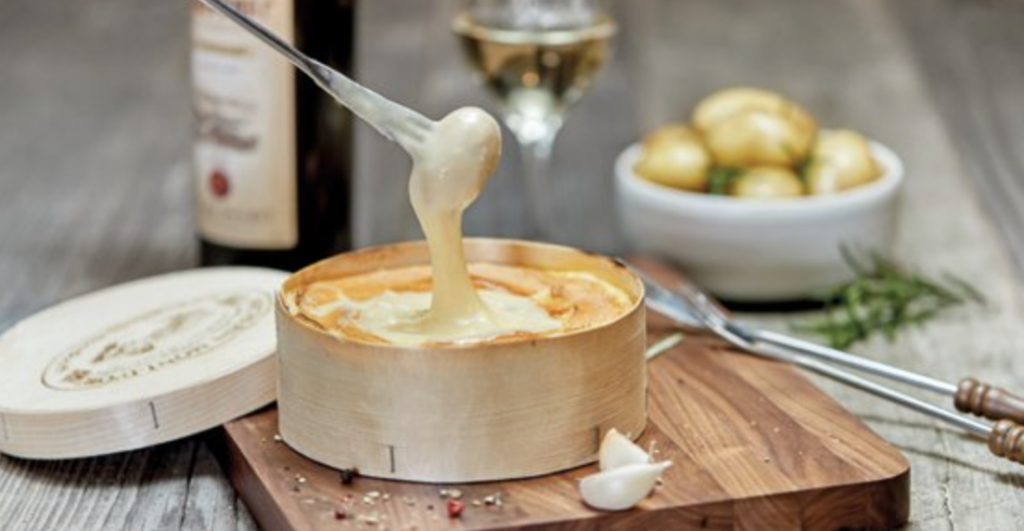
Later in the evening, after we had finished the Vacherin and our glasses of Chardonnay, Brune showed me one of her favorite ways of lengthening a winter night. Make a winter’s night longer, she said. I thought she was the maddest hare since Lewis Carroll. Suddenly Aritz appeared, not even bothering to say hello, acting as though he’d been there all along.
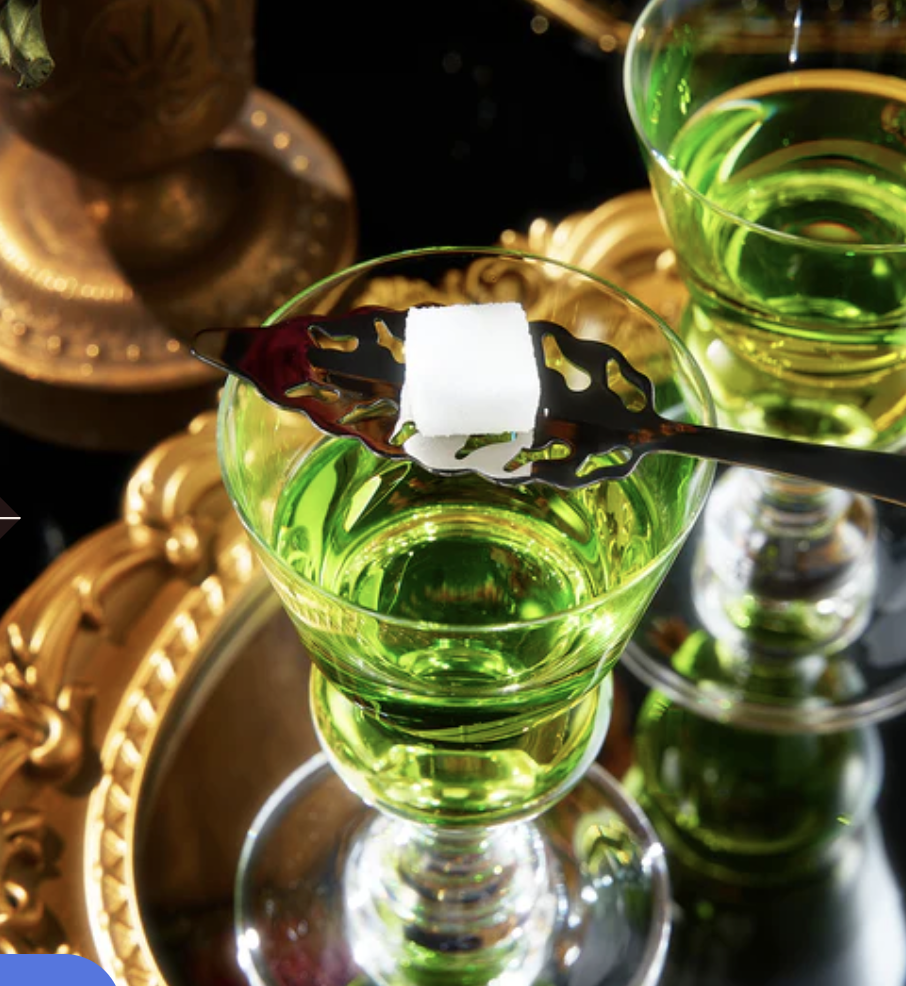
Brune pulled an antique bottle of green liquid and a small slotted spoon from the back of her cupboard of springs and cogs. She set out little glasses, each with a small bubble at the bottom. Then she said that’s how you know how much Absinthe to pour.
Brune explained that although the Absinthe was made in Pontarlier, technically in France these days, the herbal spirit was a part of life here. She poured just enough to fill the bubble, placed a sugar cube on the spoon over the glass, and let cold water drip slowly over it. Drip, drip, drip. Like a clock ticking. She said the important thing was not to rush. The green liquid slowly turned cloudy. Brune said the clouding is the “louche.”
I admitted I had always thought you lit the sugar cube on fire. She laughed and said that we were not in a Paris tourist trap! Aritz called me Toulouse-Lautrec, waved a hand dismissively, and said it’s a myth. And it burns off the aromatics. The flame makes the drink worse, not better.
Aritz explained that the stories about wormwood, thujone poisoning, and the green fairy were mostly nonsense. Absinthe had simply become too popular, and big business preferred people drinking wine instead. He said it was also a drink associated with bohemians and The Poor. It was easier to demonize a drink than to compete with it. It was his usual habit of blaming capitalist conspiracy for everything, but Brune politely agreed.
The lovely herbal bitterness and warmth were just what I needed. We talked late into the night. It’s still night now, actually. I swear it was hours, though perhaps we started early. I might have to nick one of them watches!
Eglantine Crumb, is a Yorkshire Cheesemaker who happens to be a Mouse. Not long ago, she found herself trapped in a shipping container was transported far from home. This is one of her journal entries.