Tinned Fish
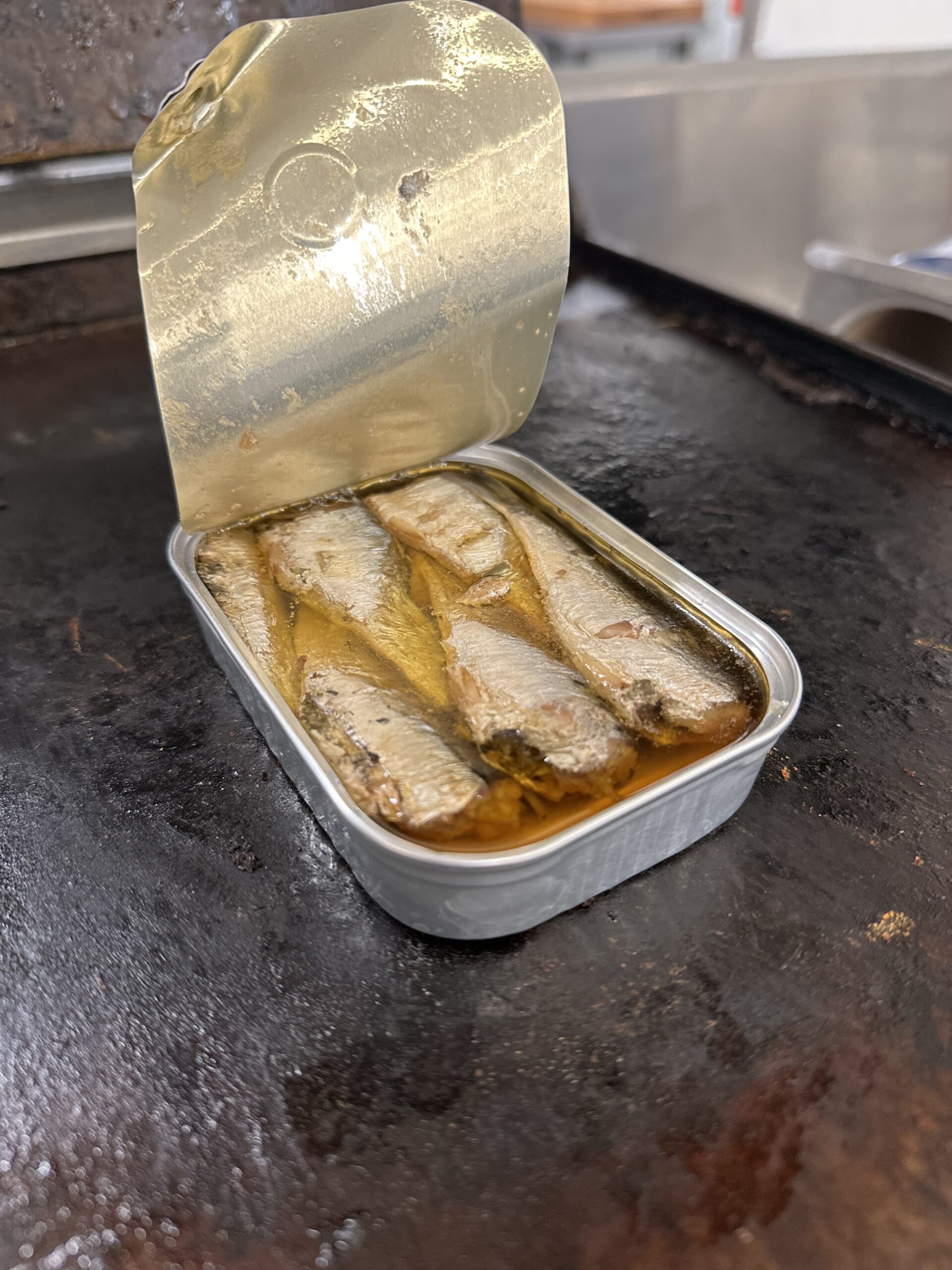
Tinned fish, called conservas in Iberian culture, has become popular in the U.S. in recent years, though it’s been beloved in Europe for decades. It’s sustainable, healthy, delicious, and the tins are undeniably cute. Conservas deserve a spot on any cheese and charcuterie board. I hope the trend keeps growing.
History of Tinned Fish
Tinned fish doesn’t go as far back as older ways of preserving fish. Before conservas could exist, people needed two things: a lightweight, durable material to store the fish, and a reliable way to keep microbes at bay.
In the 1760s, Lazzaro Spallanzani experimented with sterilizing by boiling, though it wasn’t applied on any large scale. A few decades later, Napoleon Bonaparte offered 12,000 francs to anyone who could invent a reliable method of preserving food for his armies. French chef Nicolas Appert won the prize in 1809 by boiling food inside sealed glass jars. The next year, Englishman Peter Durand patented the idea of using tin. (Can openers, however, wouldn’t arrive for several more decades.) Small, oily fish turned out to be an ideal match for this new preservation method.
Preservation
Aritz: The old ways: fermenting, smoking, drying, salting, pickling, even confit. Skill, intuition, culture. Working with other organisms instead of against them. Using heat to kill everything is inartful. It’s lazy. Like dropping an atomic bomb instead of fighting with skill.
Um, thank you for that, Aritz! Normally at Crumb & Rind, we talk about foods transformed by microbes, like cheese or fermented drinks. Conservas are different. Some are packed in vinegar, which is a fermented product, but the fish itself is not fermented. The food inside the tin must be completely free of microbes because botulism is a real risk. The low-acid, low-oxygen environment inside a sealed tin is perfect for Clostridium botulinum, which produces a deadly neurotoxin.
Rule number one: always throw away any swollen, bulging, or damaged tin.
Twentieth Century
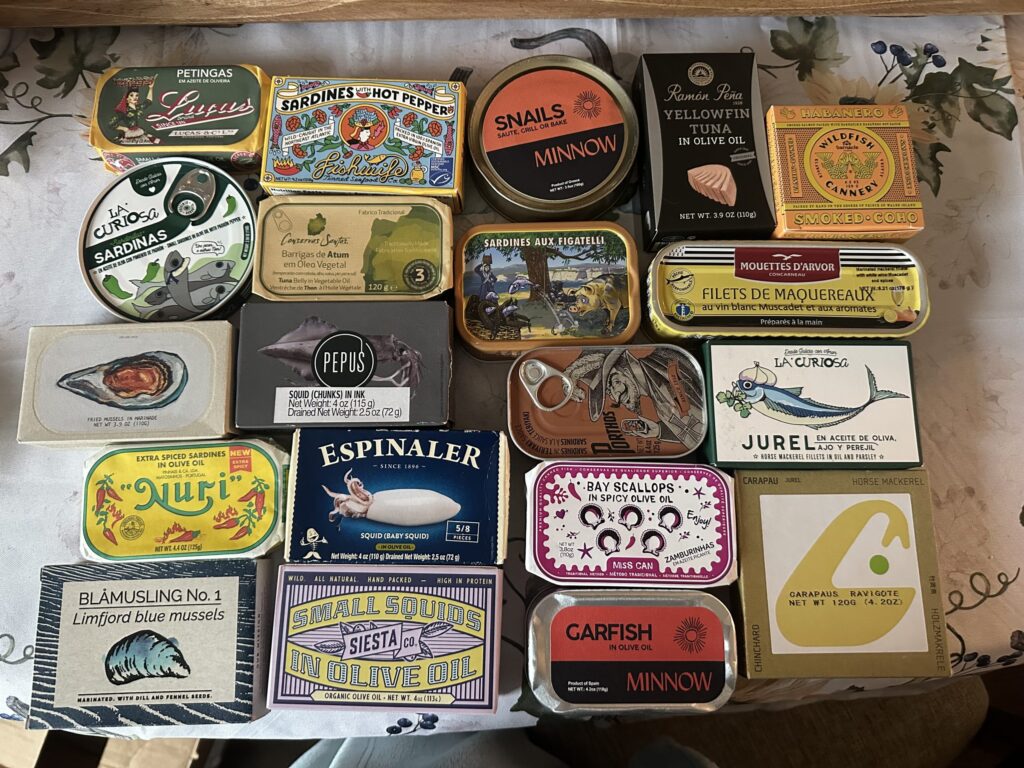
By the twentieth century, tinned fish had spread across the world, not as a luxury product but as everyday comfort food. In the U.S., “Big Tuna” eventually took over the sardine industry. (There’s a great NPR interview about this—linked below.) Through advertising, Americans were taught to think that anything besides tuna or salmon in a can was “too fishy.” That’s pure marketing, not truth.
Tinned Fish Is Good for Everyone
Tinned fish helps the planet and your body. There’s no need to fly fish around the world for it to be “fresh.” Smaller species like sardines, anchovies, and mackerel are lower on the food chain, so they contain less mercury than big predators such as tuna or salmon. They’re rich in protein and Omega-3s, too.
Canning also supports sustainable fishing seasons. Fishers can harvest when the fish are at their best rather than when consumer demand peaks, which often happens at the wrong time of year.
Ways to Eat It
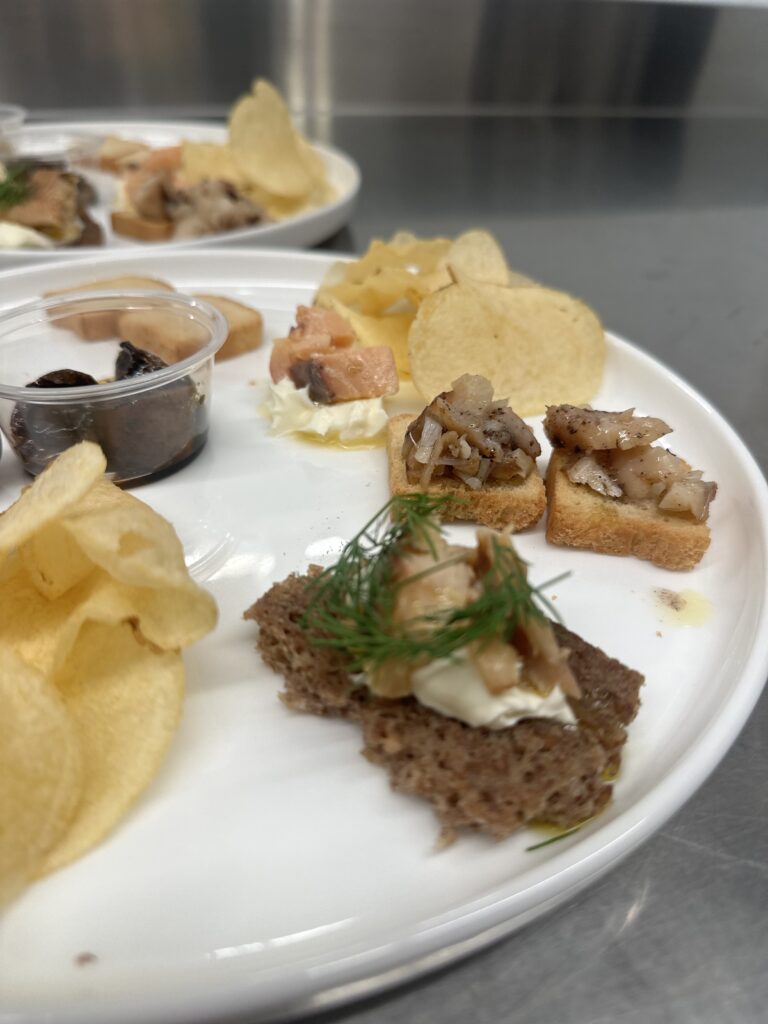
Most of the time, I just open a tin and eat it with a good baguette, maybe a little butter, some dried herbs, and sea salt. Conservas also belong on a cheese board.
Or think of them as Girl Dinner: straight from the tin with a glass of wine. Try them tossed into pasta, folded into lentils, or alongside roasted vegetables. Once you start, you’ll see how versatile these little tins are.
Sources:
https://www.npr.org/transcripts/1256000571